Easy Weekend DIY Projects for Beginners

A weekend is enough time to notice a real difference in a home without touching a single power tool most people don’t already own. The best beginner projects share three traits: low cost if something goes wrong, a finish line inside 48 hours, and zero permits required. These ten projects fit that description and deliver a visible payoff by Sunday evening.
What Makes a Project Actually Beginner-Friendly
A good first DIY project costs little to fix if it goes wrong, finishes inside a single weekend, and never requires a permit, three filters that rule out most projects that look easy on social media but aren’t. Skill level matters less than picking the right scope.
Before starting anything, ask how expensive a mistake would actually be. If a mess-up means paying a professional $300 anyway, the project probably isn’t worth the beginner attempt. The same logic applies to tools: needing to buy several expensive new tools just to start erases most of the cost savings DIY is supposed to offer.
Anything touching code compliance, structural changes, or a finish-level precision result, think custom cabinetry or electrical panel work, belongs with a licensed professional rather than a first attempt. The projects below stay well clear of that line.
Paint a Door or Accent Wall
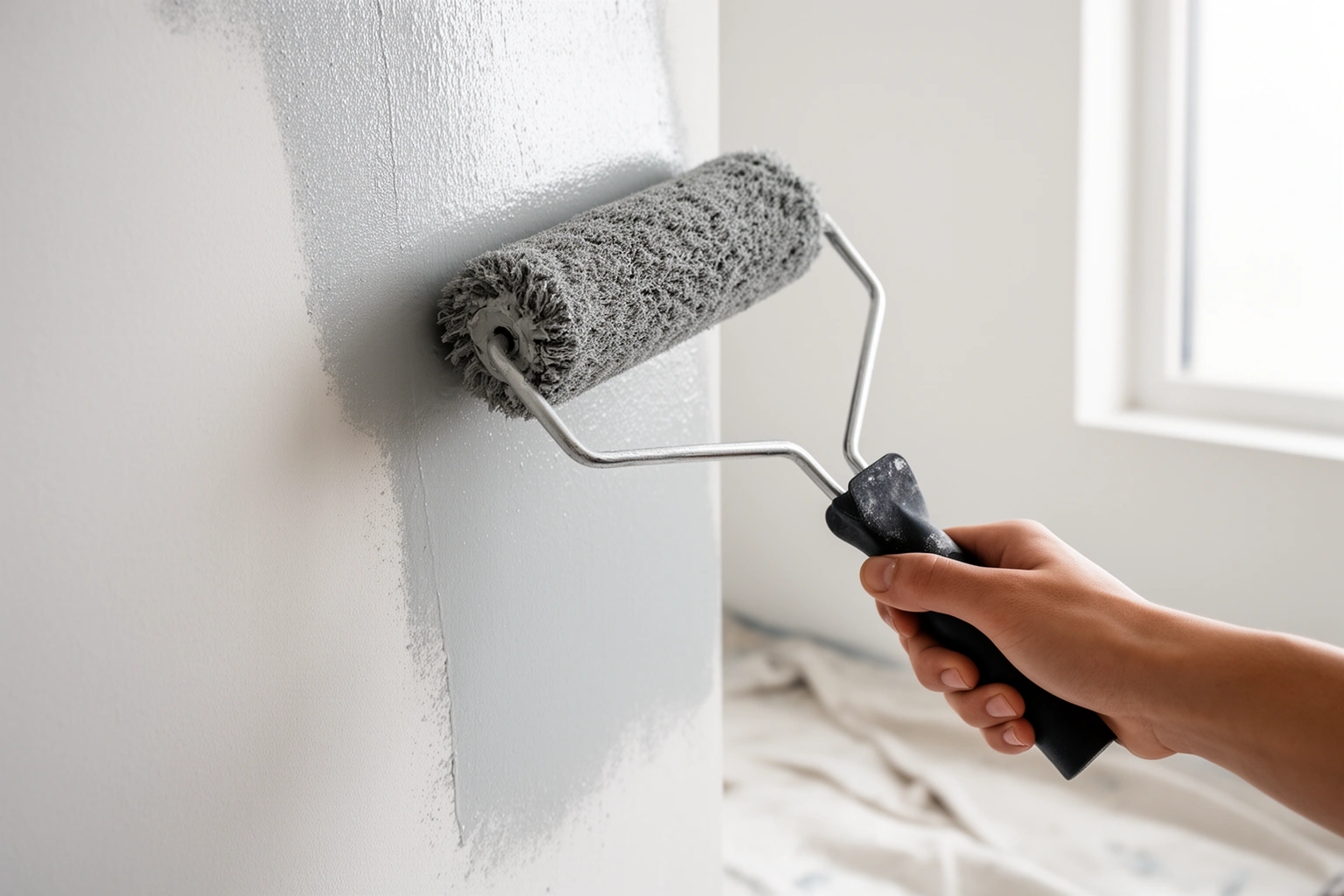
Painting a single door or accent wall is widely considered the most beginner-friendly project available, delivering a dramatic visual change for the cost of a small can of paint and an afternoon of work. It requires no specialized tools beyond a brush, roller, and painter’s tape.
A front door in a bold color instantly boosts curb appeal without touching landscaping or hardscaping. Interior accent walls work the same way indoors, turning one plain wall into a focal point without repainting an entire room.
The learning curve here is genuinely gentle. Painting without visible brush marks comes down to using a quality roller, working in manageable sections, and applying thin, even coats rather than one thick pass that drips or streaks.
Swap Cabinet or Drawer Hardware
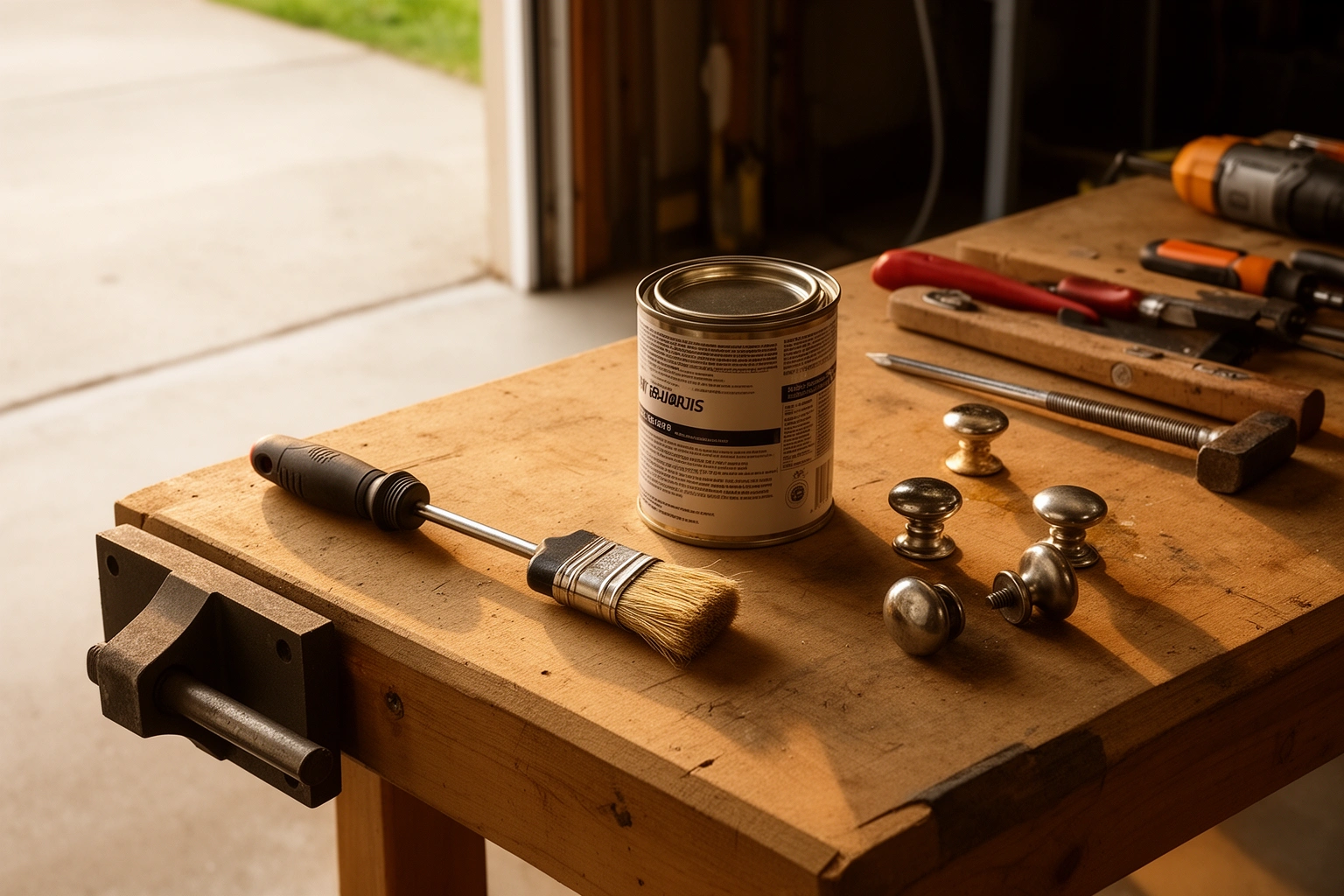
Updating knobs and pulls on kitchen or bathroom cabinets is one of the fastest ways to refresh a room, typically taking under an hour with nothing more than a screwdriver. The visual impact is disproportionate to the actual effort involved.
Most cabinet hardware follows standardized spacing, so new pieces usually match existing drilled holes without any extra work. Bringing a current handle to the hardware store, or matching the exact measurements when ordering online, avoids the frustration of mismatched screw holes discovered mid-project.
Remove old hardware carefully to avoid stripping screws, fill and sand any holes left over from a spacing change, and tighten new screws gradually and evenly to avoid warping thinner drawer fronts.
Install a Floating Shelf
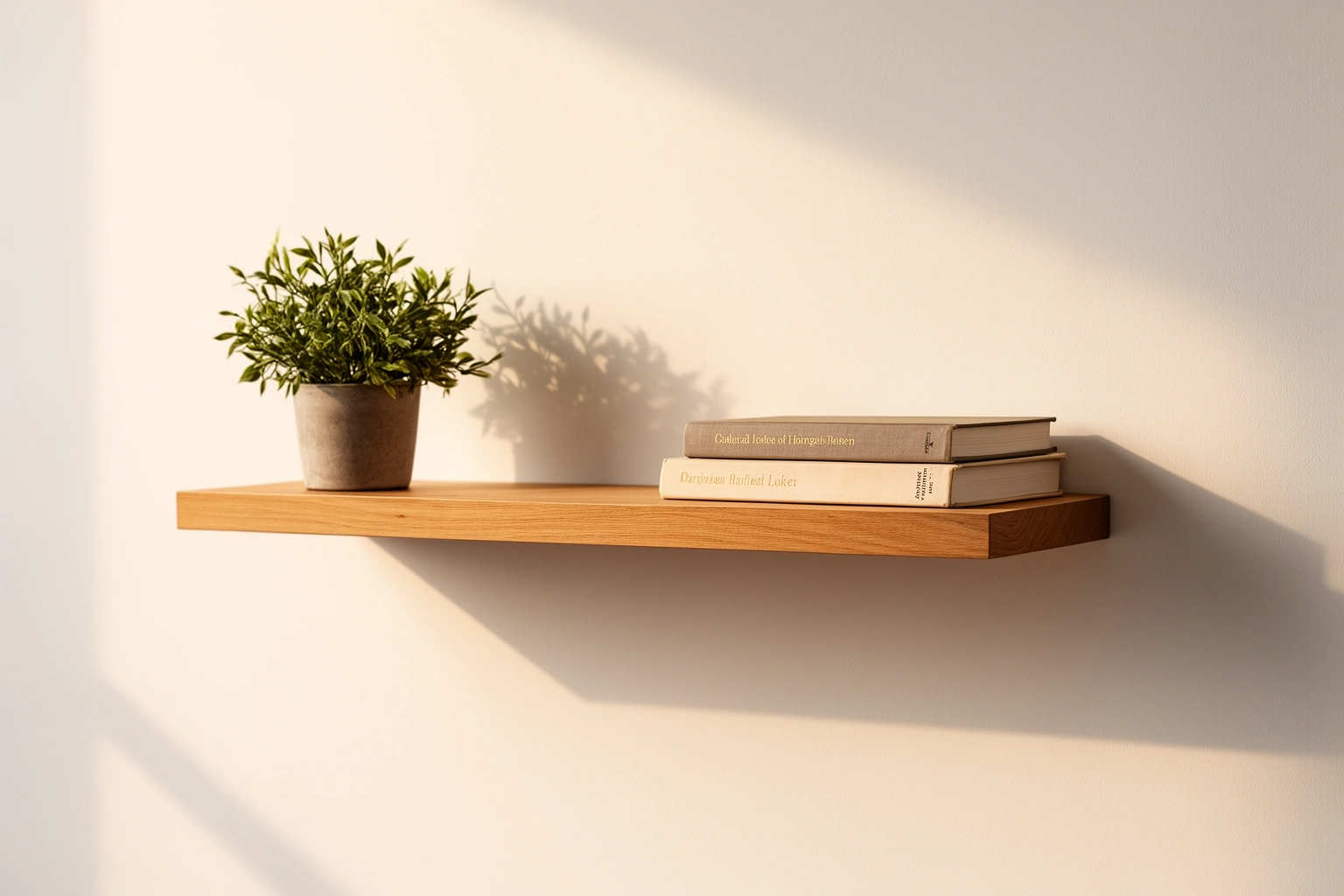
A single floating shelf is a manageable first carpentry project since it mostly involves finding a stud, leveling a bracket, and mounting pre-cut material rather than any actual cutting or joinery. Most floating shelf kits arrive ready to install straight out of the box.
Locating a wall stud with a stud finder before drilling is the step beginners skip most often, and skipping it is the most common reason a shelf eventually sags or pulls loose. A simple level, held against the bracket before final tightening, prevents the crooked look that gives away a rushed install.
This project scales easily. A single shelf over a desk makes a reasonable first attempt, while a full gallery-style cluster of shelves is a natural next step once the first one goes smoothly.
Build a Gallery Wall
A gallery wall turns a blank wall into a personal, curated display using nothing more than frames, a hammer, and a plan for spacing, making it one of the most beginner-friendly ways to add real character to a room. No cutting, painting, or specialized tools required.
Laying the full arrangement out on the floor first, before a single nail goes into the wall, prevents the most common gallery wall mistake: realizing halfway through that the spacing doesn’t work. Butcher paper templates traced around each frame and taped to the wall offer an even more precise way to preview the layout without repeated nail holes.
Mixing frame sizes, colors, and textures intentionally, rather than using an identical set, tends to produce a more personal, less generic result once everything is hung.
Add Weatherstripping to Doors
Sealing drafts around exterior doors with foam tape, a door sweep, or V-strip weatherstripping is one of the highest-value beginner projects, noticeably improving comfort and energy bills for a low material cost. Most types install with adhesive backing or a few small screws.
This project rarely takes more than an hour per door and requires no specialized tools at all. The payoff shows up immediately in the form of fewer drafts, and over time in a lower heating and cooling bill, since sealed gaps mean the HVAC system works less to maintain a set temperature.
It’s also one of the few projects on this list with essentially zero risk of a costly mistake. Even an imperfect first attempt at applying foam tape still seals better than no weatherstripping at all.
Try a Mason Jar Herb Garden
A mason jar herb garden brings a small, low-maintenance dose of greenery into a kitchen using nothing more than clean jars, potting soil, and herb seeds or seedlings. It’s a genuinely low-stakes project since a failed attempt costs little more than a few dollars in soil and seeds.
Fresh herbs on a windowsill also solve a practical cooking problem, keeping basil, mint, or thyme on hand without a trip to the store every time a recipe calls for a small amount. Rotating the jars occasionally toward available sunlight keeps growth even on all sides.
Anyone building small sustainable habits around the house often finds these same instincts overlap with other daily routines, including staying on top of practical basics covered in easy ways to stay hydrated throughout the day, since both come down to small, repeatable actions rather than one dramatic overhaul.
Choosing a First Project Based on Time and Budget
Matching a project to available time and budget upfront, rather than picking the most ambitious option first, leads to a finished result instead of an abandoned half-project. Momentum from a completed small project makes the next one far more likely to happen.
| Project | Time | Approx. Cost |
|---|---|---|
| Paint a door or accent wall | 3-5 hours | $30-$60 |
| Swap cabinet hardware | Under 1 hour | $20-$100 |
| Install a floating shelf | 1-2 hours | $15-$40 |
| Build a gallery wall | Half day | $40-$150 |
| Add door weatherstripping | Under 1 hour per door | $10-$25 per door |
| Mason jar herb garden | 30-45 minutes | $10-$25 |
That’s the typical time and cost range for a cabinet hardware swap, one of the highest visual-impact-to-effort ratios on this entire list.
Building Confidence for Bigger Projects Later
Completing a few small, successful weekend projects builds the practical confidence and basic tool familiarity needed to eventually tackle more ambitious home improvement work. Skill and confidence compound the same way any other habit does.
Keeping screws, hardware, and small parts organized during even a simple project prevents the frustration that derails momentum on a first attempt. A labeled cup or small container for loose parts is a small habit that pays off every single time.
Readers who enjoy this kind of practical, start-small approach to home projects can find more everyday inspiration on AestheticPFPs, where beginner-friendly guidance gets the same clear, no-nonsense treatment.
Frequently Asked Questions
What is the easiest DIY project for a complete beginner?
Painting a door or accent wall and swapping cabinet hardware are widely considered the two easiest starting projects, since both require minimal tools and produce a highly visible result.
Do I need expensive tools to start doing DIY projects?
A basic beginner toolkit covering a screwdriver, level, stud finder, and paintbrush or roller handles the vast majority of true beginner weekend projects without any specialized purchases.
What’s the most common mistake beginners make installing a floating shelf?
Locating a wall stud with a stud finder before drilling is the most commonly skipped step, and skipping it is the leading reason a shelf eventually sags or falls.
When should a DIY project be left to a professional instead?
Anything involving code compliance, structural changes, or finish-level precision, such as electrical panel work or custom cabinetry, is best left to a licensed professional.
Is weatherstripping really a beginner-level project?
Yes, most weatherstripping types install with adhesive backing or a few small screws and typically take under an hour per door with no specialized tools required.
How do I know if a DIY project is actually beginner-friendly?
A quick way to judge scope is asking how expensive a mistake would be to fix; if a mess-up means paying a professional anyway, the project is probably too ambitious for a first attempt.