Why People Name Their Cars: The Psychology Behind It

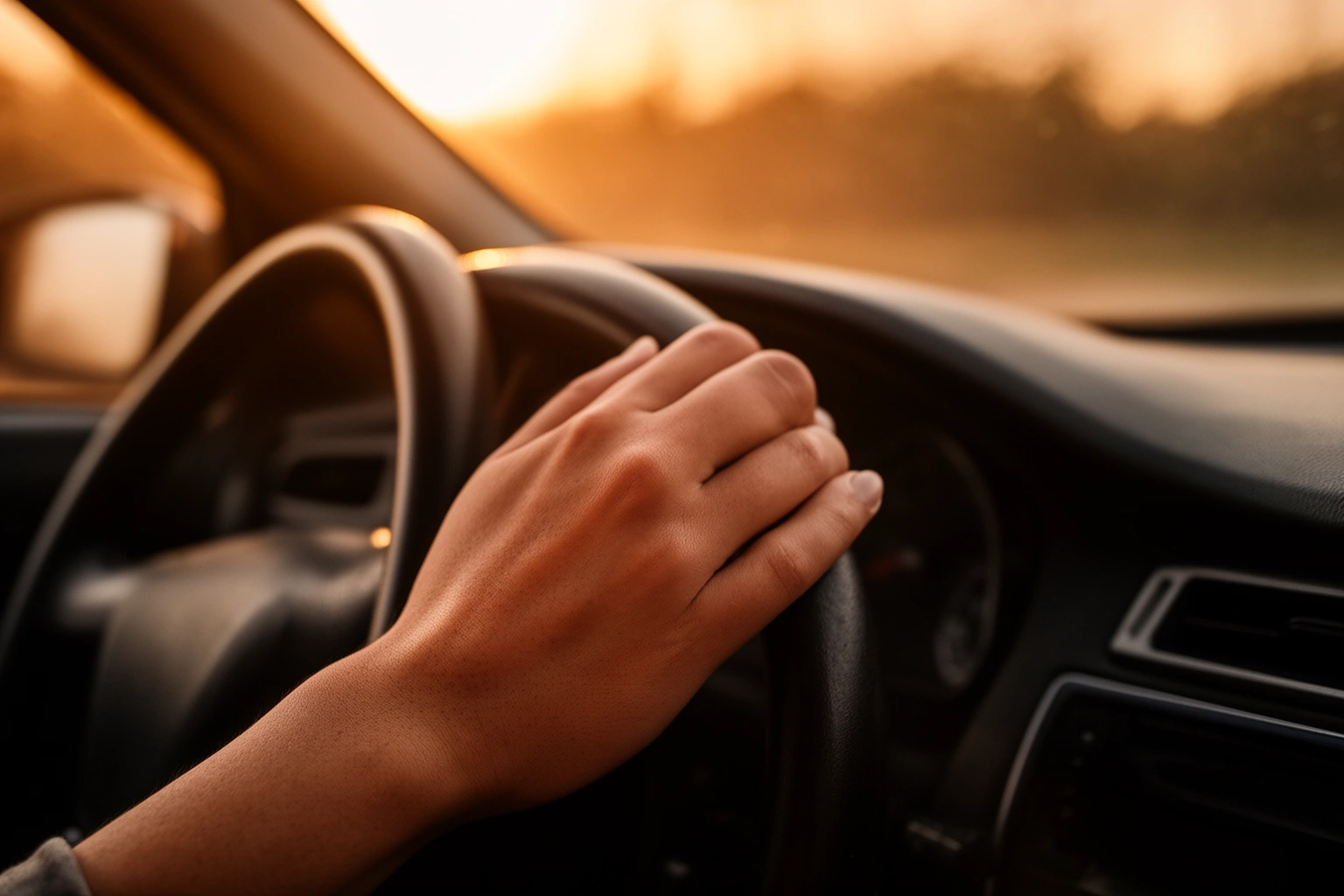
Nearly half of all drivers give their car a name, and researchers have a specific term for why: anthropomorphism, the tendency to assign human traits to non-human things. People name their cars because it creates emotional connection, reinforces identity, and turns a daily-use machine into something that feels like a companion rather than a tool.
The habit isn’t random. It shows up in predictable patterns tied to how humans bond with objects that play a big role in their routines, and it has measurable effects on how people treat the vehicle afterward.
What Anthropomorphism Has To Do With Naming a Car
Anthropomorphism is the psychological tendency to give human-like qualities, personality, or intent to objects, and naming a car is one of its most common everyday expressions.
Researchers at Harvard and the University of Chicago found that the brain regions activated when people think about human behavior overlap with the regions activated when people think about the behavior of non-human entities. That overlap explains why a car that stalls at an inconvenient moment feels like it’s “being difficult” rather than simply malfunctioning. The brain is already primed to interpret unpredictable, semi-autonomous objects through a social lens.
A car fits that description better than almost anything else people own. It moves on its own power, makes sounds, has quirks, and occasionally breaks down without warning. Those traits make it easy to treat like a living thing instead of a static object, which is part of why people rarely name their refrigerators or dishwashers but frequently name their cars.
The Emotional Reasons People Name Their Vehicles
People name their cars mainly to build emotional closeness, mark significant memories, and reduce the feeling that they’re relying on a cold, replaceable machine.
Emotional Attachment and Companionship
A car often becomes the backdrop for major life events: the first drive alone after getting a license, a move across the country, the ride home from the hospital with a newborn. Those associations build up over years of daily use, and naming the car is a way of acknowledging that it played a role in the story, not just a function.
This mirrors how people name pets or, historically, how sailors named ships before long voyages. The name signals that the object has earned a place beyond its practical purpose.
Memory and Nostalgia
Cars associated with specific chapters of life, a first job, a college years beater, a family road trip, tend to get names more often than cars bought purely as transportation. The name becomes shorthand for the memories attached to the vehicle, which is why people often keep referring to a car by its name even years after selling it.
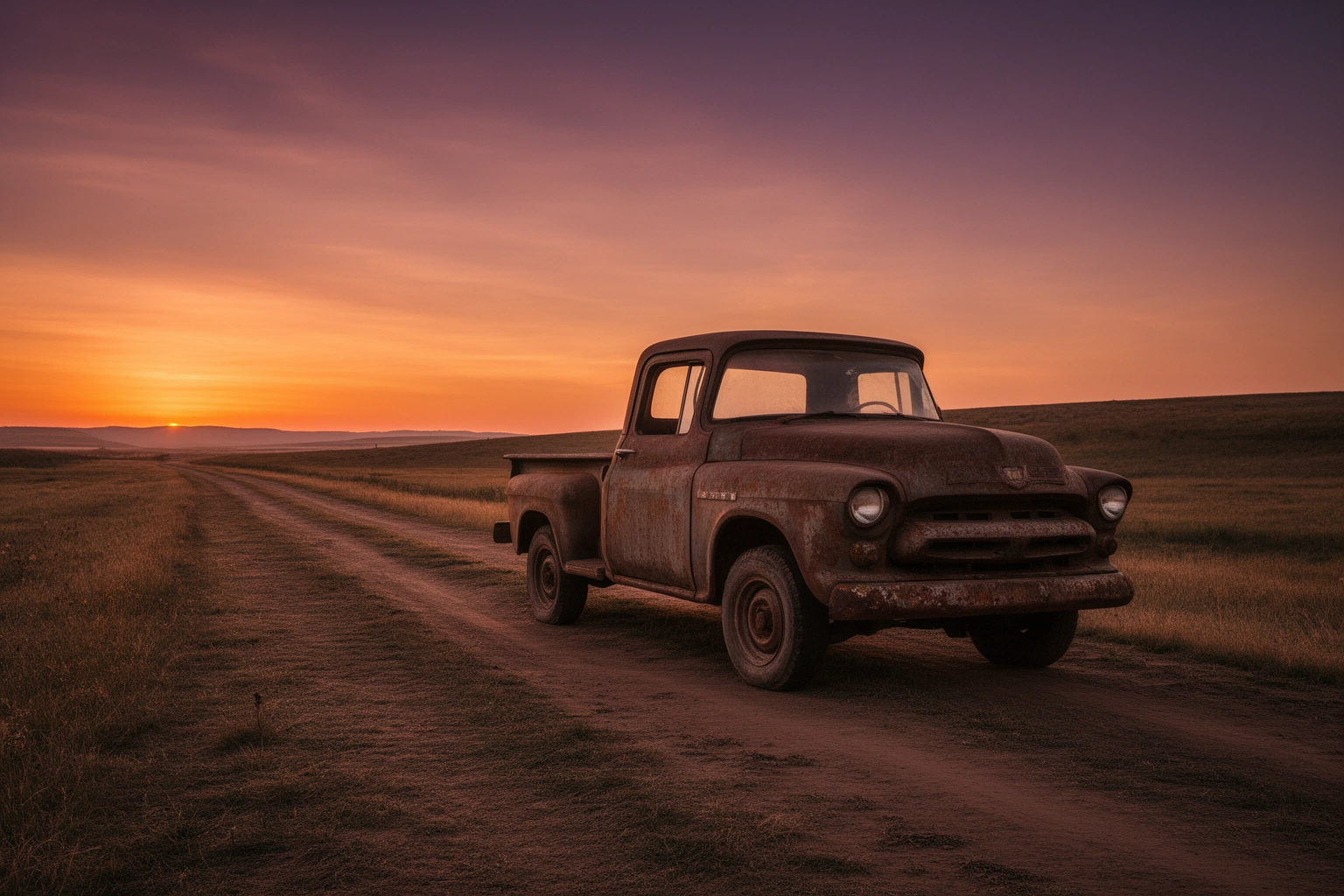
How Naming a Car Reflects Identity and Self-Expression
The name someone picks for their car often reveals their personality, sense of humor, or the image they want the vehicle to project, making it a small but genuine act of self-expression.
A driver who names a sedan “The Duchess” is signaling something different than one who names a beat-up hatchback “Chunky Monkey.” Neither name is more correct. Both function as a way of narrating identity through an object that’s visible to other people on a daily basis, similar to how someone might choose a specific Zoro profile picture to represent themselves online. The impulse is the same: pick a name or image that says something true about who you are, just applied to a car instead of a screen.
Common Car Naming Categories
| Naming Style | Examples | What It Tends To Signal |
|---|---|---|
| Classic / Nostalgic | Betsy, Old Blue, Big Red | Loyalty, familiarity, treating the car like a family member |
| Pop Culture | KITT, Optimus Prime, Lightning | Playfulness, fandom, wanting the car to feel iconic |
| Luxury / Regal | Sir Charles, The Duchess | Pride in the vehicle, viewing it as a status marker |
| Humorous | The Potato, Chunky Monkey, Tank | Playfulness, not taking the car too seriously |
| Trait-Based | Ruby (red car), Shadow (black car), Rusty | Practical creativity, naming based on what’s already there |
Cultural and Historical Roots of Naming Vehicles
Naming modes of transportation predates cars by centuries, most visibly in the tradition of naming ships, which suggests the habit is less about cars specifically and more about how humans relate to anything that carries them somewhere.
Henry VIII named his flagship the Mary Rose in the 16th century as a mark of personal affection for the vessel. Naval and maritime tradition carried that practice forward for hundreds of years before the automobile existed. Once cars became a daily necessity rather than a luxury, the same impulse simply transferred to them.
Family tradition plays a role too. In households where naming cars is normal, it tends to repeat across generations, partly because kids grow up seeing it as a standard part of car ownership rather than an unusual quirk.
Multiple driver surveys put the figure in this range, making it one of the more common, if under-discussed, habits among car owners.
Does Naming a Car Actually Change How People Treat It?
Yes. Drivers who name their cars consistently report a stronger sense of responsibility toward the vehicle, which translates into more frequent washing, more consistent maintenance, and generally more careful driving.
The mechanism is straightforward. Once an object has a name, it stops being interchangeable in the owner’s mind. A “2019 sedan” is replaceable. “Betsy” is not, even though nothing about the physical car has changed. That shift in framing is enough to nudge people toward better upkeep, similar to how naming a plant or a pet increases the odds someone remembers to care for it consistently.
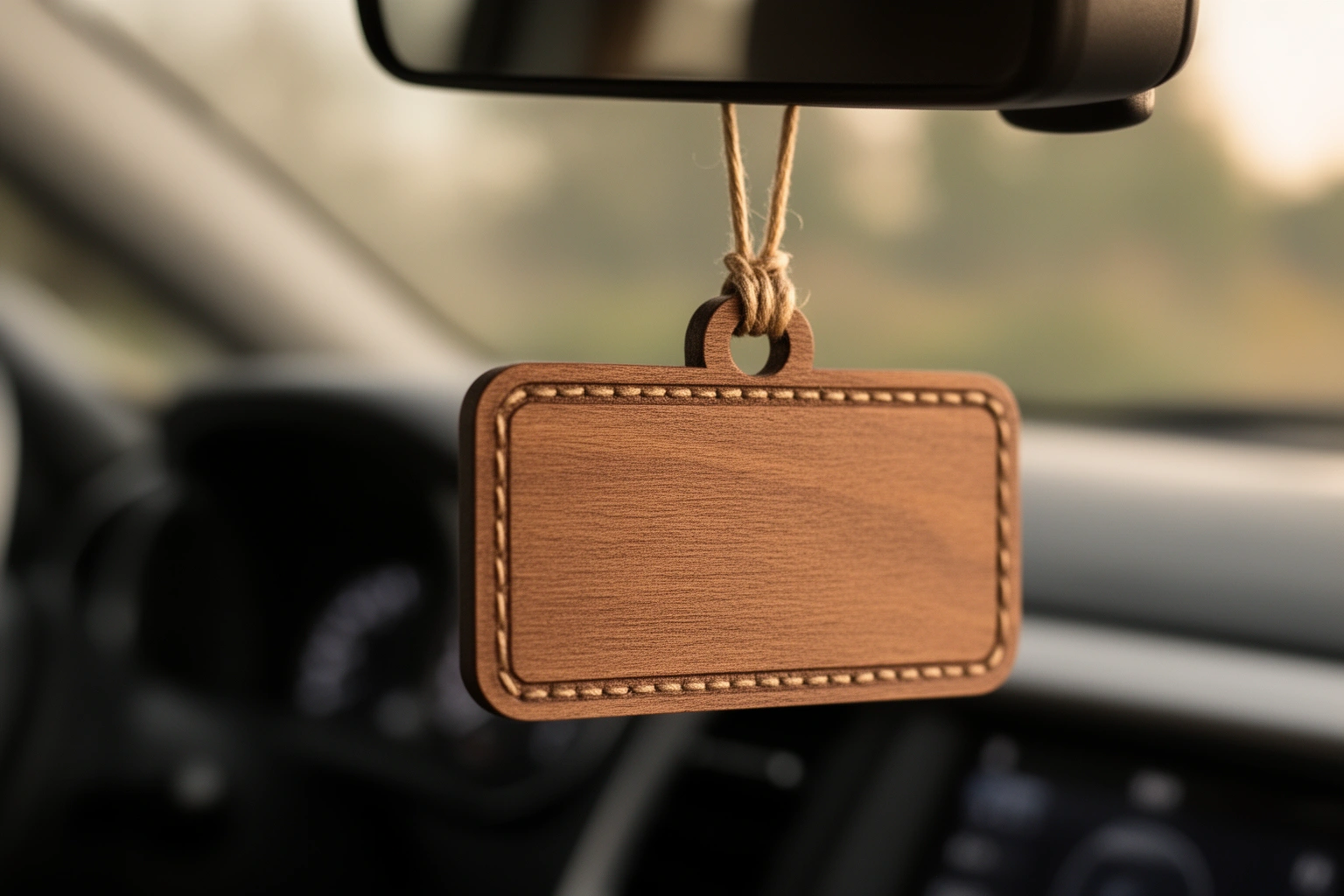
How To Pick a Name That Actually Fits Your Car
The best car names come from the vehicle’s color, model quirks, a meaningful memory, or its general “personality,” and they should sound natural when said out loud.
- Start with appearance: a red car might suggest “Ruby,” a black one “Shadow,” a boxy SUV “Tank.”
- Consider the model or trim: quirks in the make and model can spark a name that only makes sense to the owner, which is part of the appeal.
- Pull from memory: a road trip destination, a song playing during the first drive, or a person tied to the purchase all work well.
- Test it out loud: a name that feels awkward to say in a sentence like “let’s take [name] for a spin” usually isn’t the right fit.
- Don’t overthink gender: plenty of owners assign a gender to the car based on vibe alone, and plenty skip it entirely. Neither is more correct.
There’s no deadline for naming a car and no rule that says it has to happen immediately after buying it. Most owners report it takes a few weeks or months of driving before a name feels obvious, in the same way a new pet’s personality takes time to reveal itself.
Frequently Asked Questions
Why do people name their cars?
People name their cars mainly because of anthropomorphism, the tendency to assign human traits to objects. Naming creates emotional closeness and turns the vehicle into something that feels like a companion rather than a tool.
What percentage of people name their cars?
Surveys generally put the figure between 40% and 55% of drivers, though estimates vary depending on the study and how the question is asked.
Does naming your car make you take better care of it?
Yes. Owners who name their cars report higher emotional investment, which tends to lead to more frequent washing, more consistent maintenance, and more careful driving overall.
What is anthropomorphism?
Anthropomorphism is the psychological tendency to give human-like traits, emotions, or intentions to non-human things, including animals, objects, and vehicles.
Is naming cars a new trend?
No. Humans have named modes of transportation for centuries, most famously ships. Henry VIII named his flagship the Mary Rose in the 1500s, long before cars existed.
What are good name ideas for a car?
Good options come from the car’s color (Ruby for red), its model or quirks (Tank for a large SUV), a meaningful memory, or simply how the car ‘feels’ once you’ve driven it for a while.
Do people assign genders to their cars?
Many owners do assign a gender based on the car’s perceived personality or appearance, though it’s entirely optional and some owners keep the name gender-neutral.