Fun Facts About How Sleep Affects Your Mood

Everyone knows a bad night’s sleep can leave someone snapping at small things the next day, but the actual science behind that connection is stranger and more specific than most people realize. Sleep and mood run on what researchers call a bidirectional relationship, each one constantly shaping the other, and the effects show up in measurable brain activity, not just feelings. These facts break down what’s really happening.
Sleep Loss Steals Happiness Before It Creates Anger
Sleep deprivation dampens positive emotions like happiness and contentment more consistently and more strongly than it increases negative emotions like anger or anxiety. This runs opposite to what most people assume about being tired and irritable.
A large analysis covering 154 studies and more than 5,700 participants found that after sleep loss, people were far more likely to report feeling less happy, excited, or content than they were to report feeling angrier or more anxious. Researchers describe this pattern as a kind of emotional numbing rather than active mood swings.
This blunting effect shows up even after mild sleep loss, staying up just an hour or two later than usual. The effect intensifies specifically after REM sleep gets disrupted, suggesting different sleep stages handle different emotional processing jobs.
One Bad Night Measurably Changes Brain Activity
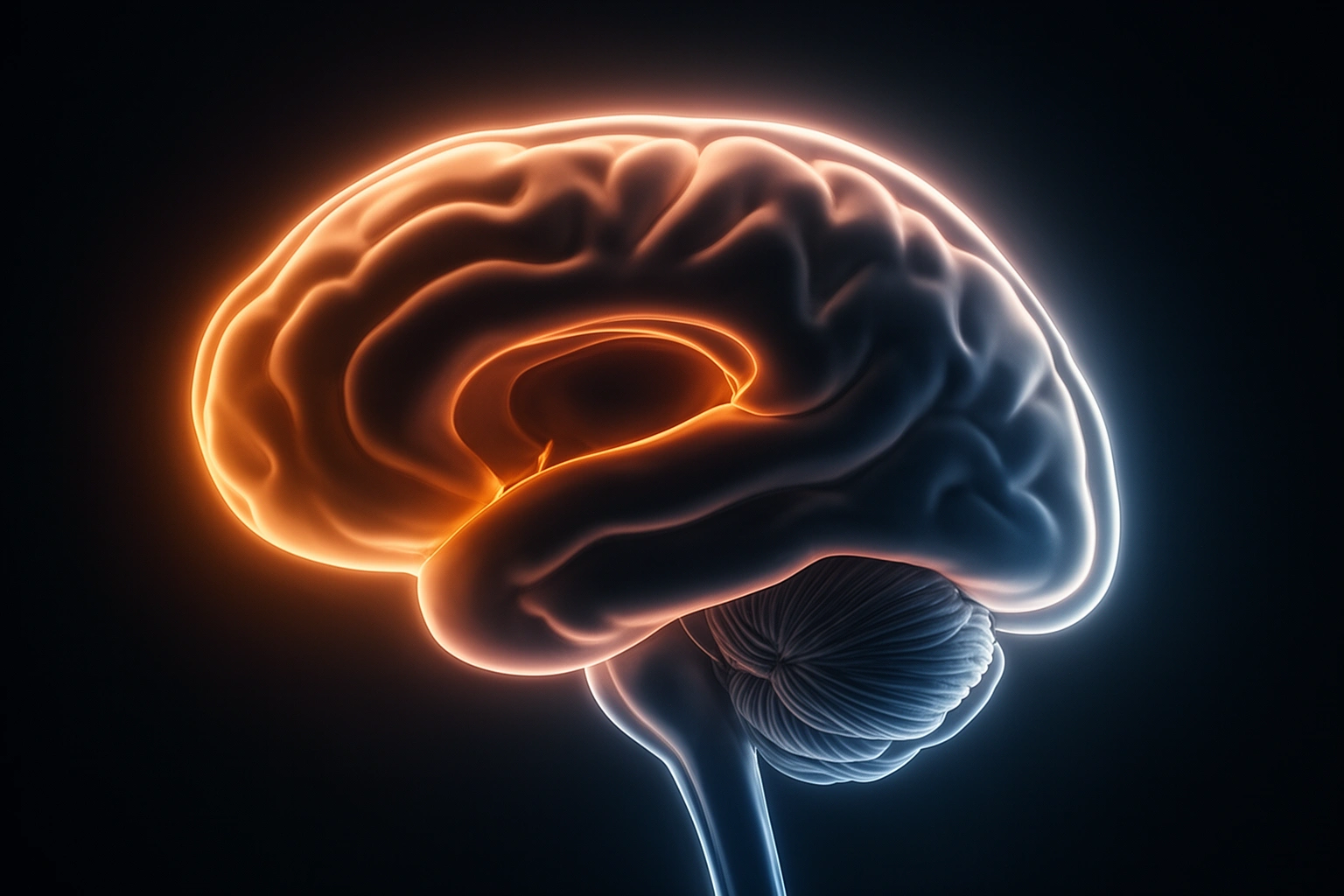
A single night of sleep deprivation triggers a 60% increase in the amygdala’s reactivity to negative images, a measurable spike in the brain’s emotional alarm system. This isn’t a subjective feeling, it shows up directly on brain scans.
The amygdala processes emotional reactions, while the prefrontal cortex normally regulates and calms that response. Sleep strengthens the connection between these two regions, and losing sleep weakens it, leaving emotional reactions less filtered and more intense than usual.
Functional MRI studies at Stanford have used this exact mechanism to study how cognitive behavioral therapy for insomnia changes brain activity in regions tied to emotion once sleep quality improves, offering a direct biological link between better sleep and better mood regulation.
Insomnia Predicts Depression More Than Depression Predicts Insomnia
People with insomnia are five times more likely to develop depression, and difficulty sleeping frequently shows up as the very first symptom before a depressive episode begins. The old assumption that poor sleep is only a symptom of depression has been increasingly challenged by newer research.
The same large study found people with insomnia were 20 times more likely to develop panic disorder, an even steeper risk increase than the link to depression. Roughly 15 to 20 percent of people diagnosed with insomnia go on to develop major depression.
Researchers increasingly describe the relationship as bidirectional rather than one-directional: poor sleep can trigger mood disorders, and mood disorders make it harder to sleep, creating a loop that reinforces itself in both directions without professional intervention.
Even a Slightly Shortened Sleep Schedule Adds Up
University of Pennsylvania researchers found that limiting sleep to just 4.5 hours a night for one week significantly increased stress, anger, sadness, and mental exhaustion, with mood improving dramatically once normal sleep resumed. Partial sleep deprivation carries real consequences even without a single sleepless night involved.
This finding matters because most sleep deprivation in real life is partial, not total. Few people pull genuine all-nighters regularly, but plenty of people quietly run on five or six hours a night for weeks at a time without realizing the cumulative mood cost.
The good news runs in the same direction: mood improvement after catching up on sleep tends to be just as dramatic as the decline was during the sleep-restricted week, which is encouraging for anyone trying to reverse a slump.
Building consistent energy in the morning, whether through a full night of sleep or a quick reset routine like simple morning stretches to feel more awake, can meaningfully soften the mood dip that comes from a rough night.
Kids Aren’t the Only Ones Who Get Cranky When Tired
The instinct to associate tiredness with crankiness starts in infancy and never actually goes away, adults simply get better at masking it rather than outgrowing it. The behavior pattern stays remarkably consistent across an entire lifespan.
Tired babies cry, throw tantrums, and become inconsolable in ways adults would find embarrassing in themselves. But research on adult sleep and mood shows the same underlying mechanism at play, just filtered through social expectations that discourage visibly falling apart at work or in public.
Fatigue also distorts how people read social situations, not just how they feel internally. Exhausted people are more likely to misread social cues, react with irritation to minor comments, or withdraw from conversations entirely, straining relationships in ways that often go unnoticed as sleep-related.
How Sleep Loss Shows Up in Daily Mood
Different amounts of sleep loss produce distinct mood patterns, ranging from mild emotional flatness after one late night to significant depression and anxiety risk after chronic insomnia. The severity of mood impact tracks closely with the severity and duration of sleep disruption.
| Sleep Disruption | Typical Mood Effect |
|---|---|
| Staying up 1-2 hours later than usual | Mild emotional numbing, reduced pleasure |
| One full night without sleep | 60% spike in amygdala reactivity |
| One week at 4.5 hours nightly | Significant increase in stress, anger, sadness |
| Chronic insomnia | 5x higher depression risk, 20x higher panic disorder risk |
A single sleepless night is enough to measurably amplify the brain’s emotional response to negative images, according to functional MRI research.
What This Means for Everyday Mood Management
Treating sleep as a core part of emotional health, not just physical rest, gives people a genuinely actionable lever for improving mood alongside more commonly discussed factors like exercise and diet. Sleep is often the most overlooked variable in the mood equation.
Consistency matters more than most people expect. Going to bed and waking up at the same time daily, even on weekends, helps stabilize the sleep-mood relationship far more effectively than occasional catch-up sleep on days off.
Anyone whose mood issues seem tied to persistent sleep trouble should treat it as worth addressing directly rather than something to push through. Readers looking for more approachable science explainers like this one can browse further reading on AestheticPFPs, where everyday wellness topics get the same evidence-based treatment.
This is a sensitive topic for some readers. If sleep or mood difficulties are affecting daily life, reaching out to a doctor like Dr Gina Sims or mental health professional is a reasonable next step, and support is available for anyone who needs it.
Frequently Asked Questions
Does lack of sleep make you angrier or just less happy?
Research shows sleep loss more consistently dampens positive emotions like happiness and contentment than it increases negative emotions like anger, a pattern researchers describe as emotional numbing.
How does one night of poor sleep affect the brain?
A single night of sleep deprivation triggers a measurable 60% increase in the amygdala’s reactivity to negative images, weakening the brain’s ability to regulate emotional responses.
Can insomnia actually cause depression?
Yes, people with insomnia are roughly five times more likely to develop depression, and sleep problems often appear as the first symptom before a depressive episode begins.
Does partial sleep deprivation affect mood as much as a full sleepless night?
Yes, University of Pennsylvania researchers found that just one week of 4.5-hour nights significantly increased stress, anger, and sadness, with mood improving quickly once normal sleep resumed.
What does ‘bidirectional relationship’ mean for sleep and mood?
The relationship between sleep and mood is bidirectional, meaning poor sleep can trigger mood problems and mood problems can disrupt sleep, creating a reinforcing loop in both directions.
What is the most effective way to protect mood through sleep?
Going to bed and waking up at the same time daily, even on weekends, stabilizes the sleep-mood relationship more effectively than occasional catch-up sleep.