Easy Ways to Stay Hydrated Throughout the Day

About three out of every four Americans walk around chronically dehydrated without realizing it, since thirst is a lagging signal rather than an early warning. By the time thirst kicks in, the body is already slightly behind on fluids. This guide covers the specific, low-effort habits that keep hydration steady throughout the day without requiring constant tracking or willpower.
Start the Day With Water Before Anything Else
Drinking a full glass of water immediately after waking up replenishes fluids lost overnight and sets a hydration habit in motion before coffee or breakfast even enters the picture. The body goes six to eight hours without any fluid intake during sleep, making the first waking minutes a natural refill point.
Keeping a glass of water on the nightstand or immediately visible in the kitchen removes the friction of having to think about it first thing in the morning. Some people build the habit further by connecting it to something already automatic, like drinking a full glass while the coffee maker runs or the shower warms up.
This single habit alone can meaningfully shift daily intake, since it guarantees at least one consistent serving of water lands in the body before the day’s schedule, stress, or distractions have a chance to push hydration to the back of mind.
Keep a Reusable Bottle Within Arm’s Reach
Having water physically visible and easy to reach is one of the most effective hydration strategies available, since people consistently drink more water simply because it’s already there. Visibility does more work than willpower in this case.
Carrying a reusable bottle throughout the day, at a desk, in a bag, or in a car cupholder, turns hydration into a passive habit rather than something requiring a deliberate decision every time. Choosing a bottle in a color or style genuinely enjoyed tends to increase how often it actually gets used, a small detail that makes a real difference over weeks and months.
Refilling the same bottle multiple times and loosely tracking the count, rather than obsessing over exact ounces, gives a simple, low-pressure sense of daily progress without turning hydration into another rigid metric to manage.
Sip Steadily Instead of Chugging All at Once
Taking small, frequent sips throughout the day helps the body absorb and use water more effectively than drinking large amounts infrequently. Steady intake works with the body’s absorption rate rather than overwhelming it in one go.
Drinking through a straw is a small trick that noticeably increases how much water gets consumed per sitting for a lot of people, since it makes each sip faster and more automatic. Linking a sip to something already built into the day, opening a laptop, finishing a phone call, or sitting down at a red light, creates a natural cue without needing a formal reminder system.
This steady approach also avoids the uncomfortable feeling of drinking too much water at once, which can leave someone feeling bloated or needing to interrupt their day with frequent bathroom trips right after a large single serving.
Flavor Water Instead of Reaching for Something Else
Adding fresh fruit, herbs, or a splash of juice to plain water makes hydration more enjoyable for anyone who finds water boring, without adding the sugar load of soda or juice alone. Taste is a legitimate barrier for a lot of people, not a trivial complaint.
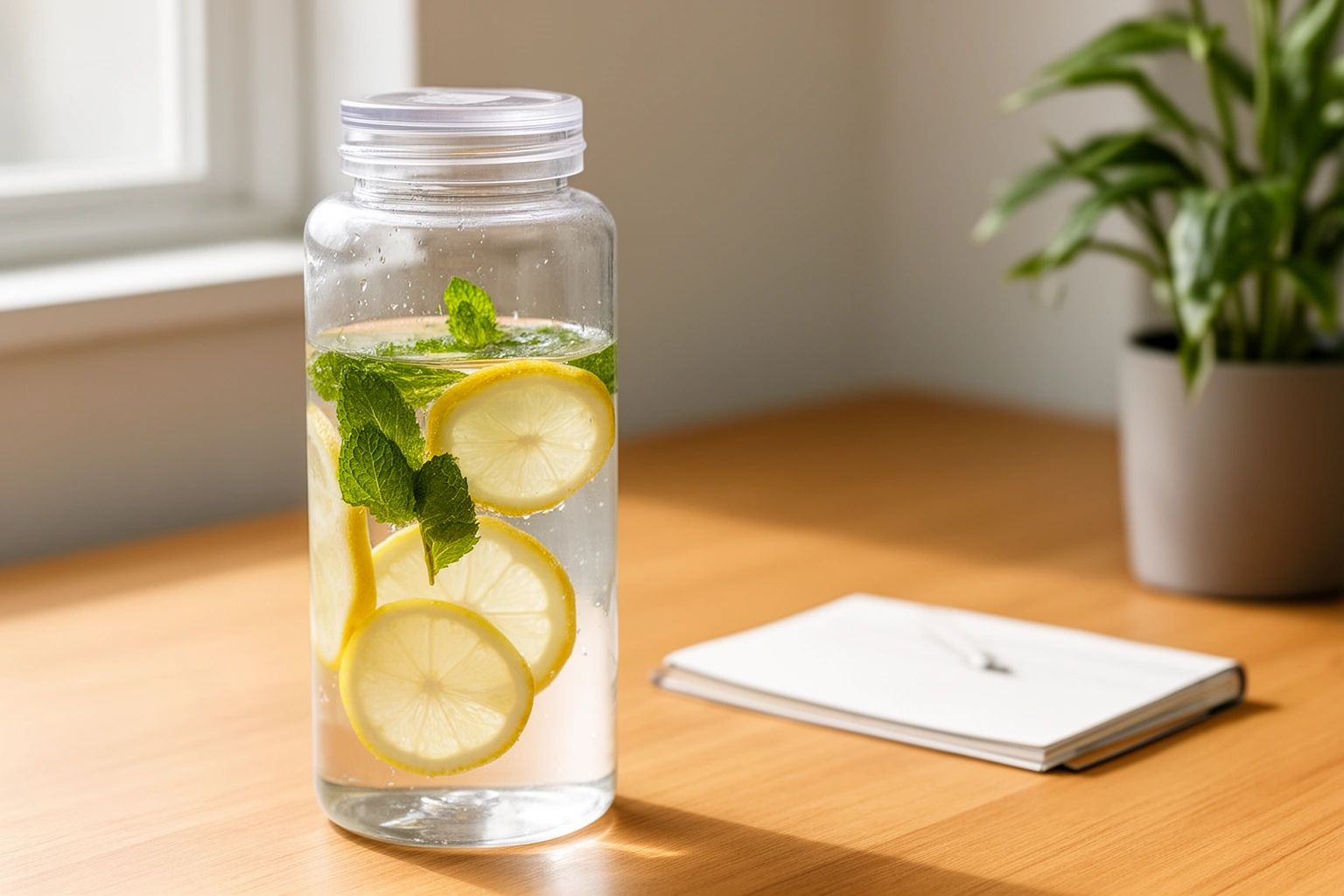
Sliced lemon, lime, cucumber, or mint dropped into a bottle or glass adds flavor with essentially no added calories or sugar. Frozen berries work as an easy flavor booster that doubles as ice cubes, slowly releasing flavor as they melt throughout the day.
Unsweetened herbal teas served iced offer another low-effort variation, and lightly sweetening a hot tea with a small amount of honey before chilling it over ice gives some flavor payoff without turning it into a sugary drink.
Eat Foods That Hydrate Alongside Drinking
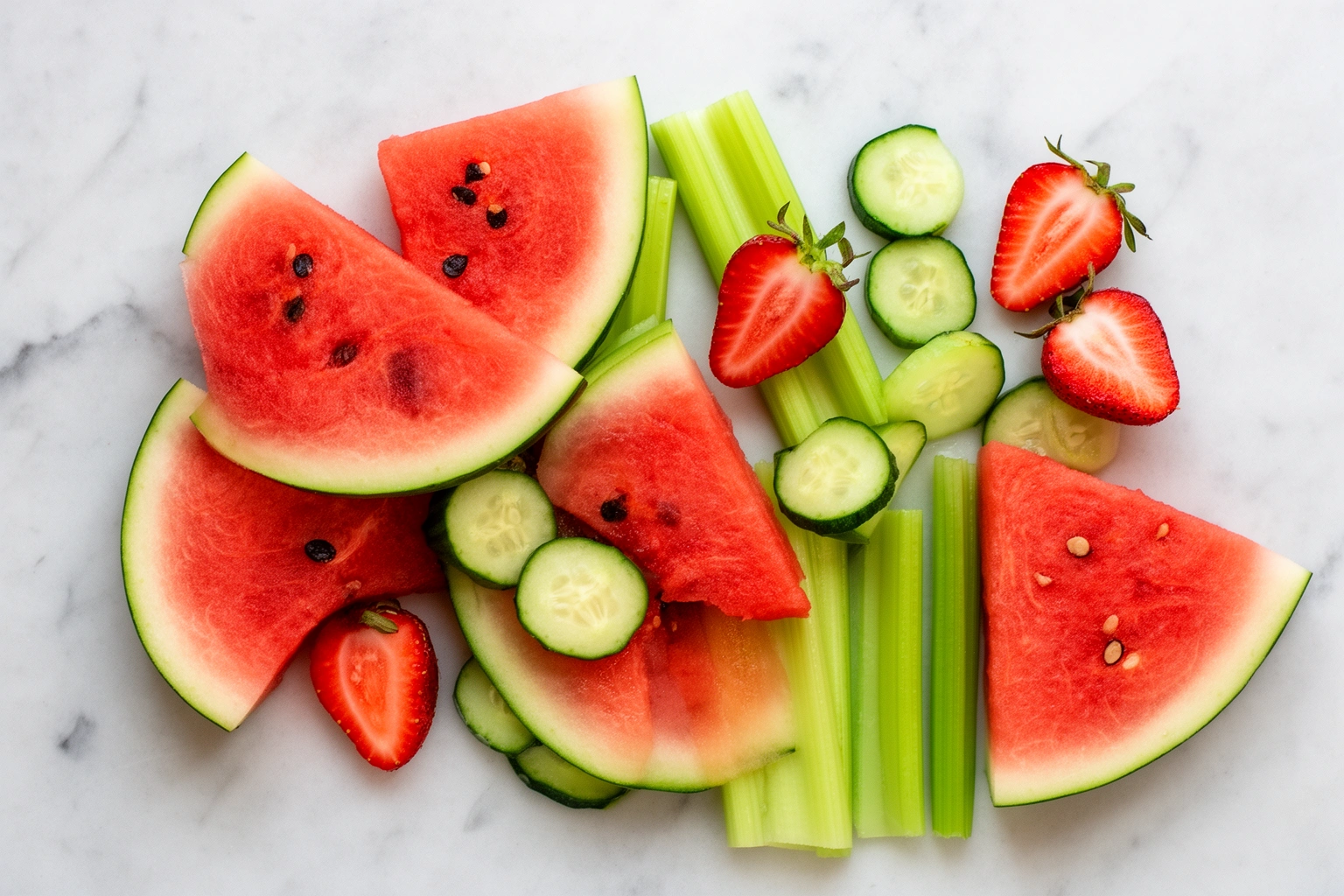
Fruits and vegetables that are 90% to 100% water, like watermelon, cucumber, and strawberries, contribute meaningfully to daily hydration alongside actual fluid intake, though they don’t replace it entirely. Food-based hydration works as a supplement, not a substitute.
Watermelon, strawberries, cantaloupe, peaches, and pineapple rank among the highest water-content fruits, while cucumbers, leafy greens, celery, zucchini, and tomatoes cover the vegetable side of that same list. Working a few of these into meals or snacks throughout the day adds hydration without requiring any extra effort beyond normal eating.
Brothy soups and stews offer another hydration source, particularly useful in colder weather when cold water feels less appealing. Choosing low-sodium versions matters here, since excess salt intake can actually work against hydration goals rather than support them.
Set Reminders Until the Habit Sticks on Its Own
Using phone alarms or a hydration app to prompt regular water breaks helps build consistency during the early weeks of forming the habit, until drinking water becomes automatic without needing a nudge. External reminders are a bridge, not a permanent requirement.
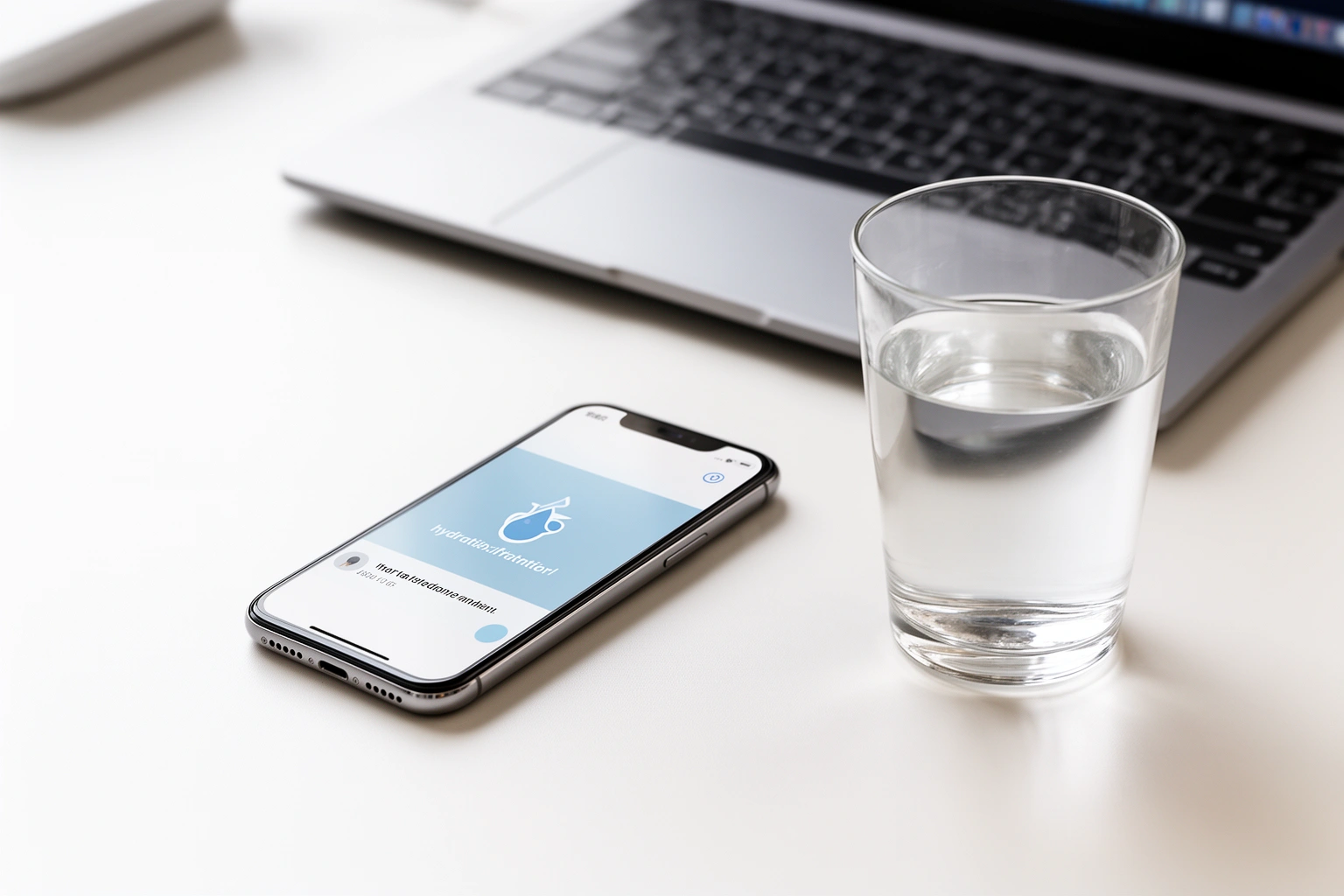
Setting two or three reminders spaced through the day, morning, midday, and mid-afternoon, tends to work better than an hourly ping that eventually gets ignored or silenced entirely. Once the habit becomes second nature, most people naturally reach for water without needing the reminder anymore, at which point the alarms can be turned off.
Building small, repeatable habits like this one shares a lot in common with other daily wellness routines, including the mood-lifting value covered in why laughter really is good medicine, since both hydration and laughter work best as consistent daily habits rather than occasional bursts of effort.
Watch for the Early Signs Before Thirst Sets In
Mild dehydration shows up as headaches, fatigue, difficulty concentrating, and reduced energy well before actual thirst registers, making these subtle symptoms more reliable early warning signs than waiting to feel thirsty. Catching dehydration early prevents it from escalating into something more serious.
| Signal | What It Suggests |
|---|---|
| Dark yellow urine | Mild to moderate dehydration |
| Headache or fatigue | Early dehydration, often mistaken for tiredness |
| Difficulty concentrating | Reduced cognitive performance from low fluid levels |
| Dizziness during activity | Possible electrolyte imbalance, not just fluid loss |
That’s roughly how many adults are estimated to be chronically dehydrated, often without recognizing the everyday symptoms as related to fluid intake.
If dehydration symptoms show up during intense exercise or hot weather, water alone may not be enough. The body also needs electrolytes to fully recover, which is where sports drinks or electrolyte additions become genuinely useful rather than just a marketing add-on. Readers who enjoy small, practical wellness habits like this one can find more everyday guidance on AestheticPFPs, where simple daily routines get the same clear, actionable treatment.
Frequently Asked Questions
How much water should I actually drink each day?
The old rule of eight glasses a day is a reasonable starting point for many adults, but actual needs vary by activity level, climate, body size, and health status, so it’s not a strict requirement for everyone.
Is it true that thirst means you’re already dehydrated?
By the time thirst is noticeable, the body is already slightly dehydrated, which is why steady sipping throughout the day works better than waiting for a thirst cue.
Can eating water-rich foods replace drinking water?
Fruits and vegetables that are 90% to 100% water, like watermelon, cucumber, and strawberries, meaningfully contribute to hydration, though they work best alongside drinking water rather than replacing it.
Does coffee count toward daily hydration or cancel it out?
Yes, moderate coffee consumption of one to two cups generally balances out its mild diuretic effect and can still contribute positively to overall fluid intake.
What are the earliest signs of mild dehydration?
Headaches, fatigue, difficulty concentrating, and reduced energy are common early symptoms of mild dehydration that often show up before noticeable thirst.
What’s the best way to remember to drink more water?
Setting two or three spaced reminders throughout the day, rather than frequent hourly alerts, tends to build a lasting habit without becoming annoying enough to ignore or silence.