How to Create a Relaxing Self-Care Sunday Routine

Self-care Sunday works best as a handful of intentional rituals, not a packed checklist competing with the rest of the week. The goal is a day that resets the mind and body while quietly preparing for Monday, without turning rest into another obligation. This guide breaks down how to structure that kind of Sunday from morning to night.
Start Slow Instead of Reaching for the Phone
Delaying phone use for the first stretch of the morning and allowing natural light to wake the body gently sets a calmer tone for the entire day than jumping straight into notifications. The first few minutes of a Sunday shape how the rest of it feels.
Waking without an alarm, or setting one for a genuinely relaxed hour rather than a habitual weekday time, lets the body surface from sleep instead of being jolted out of it. A few slow, deep breaths before getting up signals to the nervous system that there’s no rush.
Lingering in bed with a book, a slow cup of coffee, or simply nothing at all isn’t wasted time on a self-care Sunday, it’s the entire point. There’s no requirement to be productive before the day has even started.

Build In One Grounding Ritual
A single grounding practice, journaling, meditation, or gratitude writing, done consistently each Sunday tends to have more impact than trying several different mindfulness activities at once. Repetition builds the sense of ritual that makes self-care Sunday feel distinct from an ordinary day off.
Journaling works well as a mind dump, a gratitude list, or a simple reflection on the week that just passed. Even five minutes of writing can clear mental clutter that otherwise carries into the new week unresolved.
Meditation or breathwork offers a similar reset for people who prefer stillness over writing. A short guided meditation works well for anyone unsure where to start, and pairing it with a few positive affirmations, repeated phrases like “I am calm” or “I am capable,” reinforces a steadier mindset heading into Monday.
Make the Shower or Bath an Actual Event
Extending an everyday shower or bath into a slower, more deliberate ritual, complete with a favorite scent or bath soak, turns a routine task into one of the most reliably relaxing parts of a self-care Sunday. This is one of the lowest-effort, highest-payoff ideas on the entire list.
Lavender-scented soaps, epsom salts, or a body scrub with essential oils all add a sensory layer that a quick weekday shower skips entirely. Taking twice the usual time, rather than rushing through the same motions, is what actually makes the difference.

Following the bath or shower with an unhurried skincare routine, actually taking time to moisturize slowly instead of rushing, extends the sense of care a few extra minutes without requiring any additional products.
Move the Body in a Way That Feels Good, Not Obligatory
Choosing movement based on what genuinely feels enjoyable that day, a walk, gentle stretching, or a full workout, matters more than following a fixed exercise routine on a self-care Sunday. The goal is releasing tension, not hitting a fitness target.
A relaxed walk with a favorite playlist or podcast works just as well as a structured workout for releasing endorphins and easing stress. Some Sundays call for pushing harder physically, since movement itself, even when it feels effortful in the moment, tends to leave people calmer and clearer afterward.
The key distinction is listening to what the body actually wants that day rather than defaulting to the same routine out of habit. A self-care Sunday built around forced intensity misses the point just as much as one built around total inactivity.
Digital Detox for at Least Part of the Day
Setting boundaries around phone and social media use, even for just a few hours, gives the mind room to actually rest instead of continuing to process notifications and scrolling. This single boundary often has an outsized effect on how restful the day actually feels.
Removing social media apps from the home screen, silencing notifications, or physically leaving the phone in another room all reduce the friction of picking it up out of habit. A digital detox doesn’t need to last the entire day to be worthwhile, even a two or three hour window creates a noticeable mental shift.
Reconnecting with a hobby, spending time outdoors, or simply sitting with a book during that screen-free window tends to feel more restorative than the same amount of time spent scrolling ever does.
Anyone who’s already built a bit of calm into their living space with something like best houseplants for people who forget to water will find that surrounding a self-care Sunday with a bit of greenery adds another small, low-effort layer of calm to the whole day.
Nourish the Body Without Turning It Into a Chore
Cooking or enjoying a meal without rushing, whether that means a slow homemade breakfast or a favorite restaurant order, treats eating as part of the self-care ritual rather than a task to get through. Food is one of the more overlooked pieces of a self-care Sunday.
Cooking itself can be meditative for people who enjoy it, offering the same kind of calming, hands-on focus as a craft project. For anyone who’d rather skip the kitchen entirely, ordering from a favorite restaurant works just as well, since the point is enjoyment, not effort.
Close the Day by Setting Intentions, Not Just Winding Down
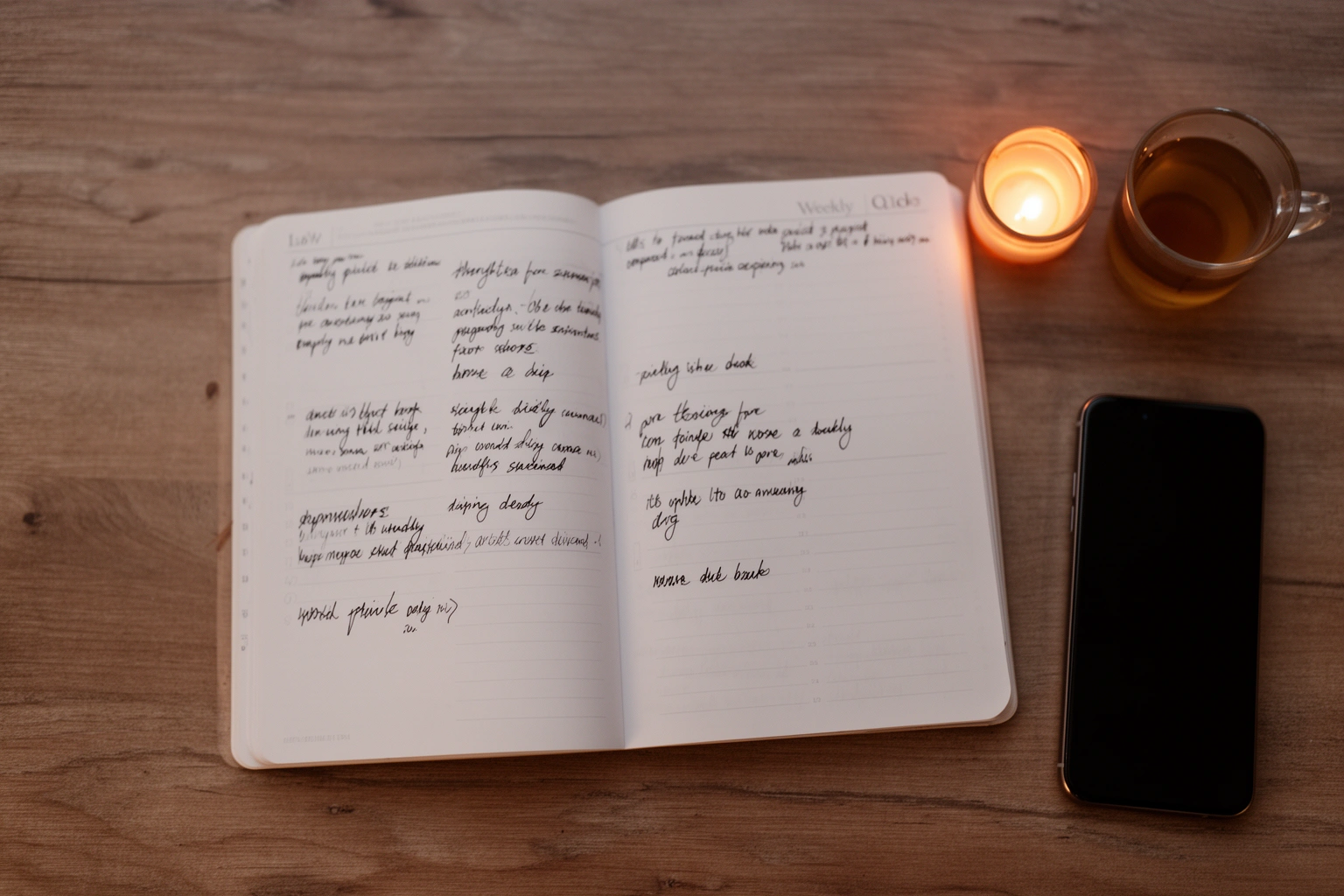
Finishing a self-care Sunday with a short planning session for the week ahead reduces the anxious spiral often called the “Sunday scaries,” since the mind has somewhere to put looming tasks instead of turning them over at bedtime. This step ties the whole day together.
Writing down top priorities for the coming week, or doing a quick calendar check, moves looming obligations out of the head and onto paper where they feel more manageable. This is different from actually working through Sunday night, it’s a brief planning pass, not a work session.
Finishing any lingering tasks earlier in the day, rather than letting them creep into the evening, protects the calm built up over the rest of the day and prevents a racing mind right before bed.
A Sample Self-Care Sunday Flow
Structuring the day loosely around morning, midday, and evening blocks makes it easier to build a routine without over-scheduling what’s supposed to be a restful day. This is a flexible starting template, not a rigid checklist.
| Time of Day | Suggested Focus |
|---|---|
| Morning | Slow wake-up, journaling or meditation, unhurried breakfast |
| Midday | Movement, digital detox window, a hobby or nature time |
| Afternoon | Bath or shower ritual, skincare, nourishing meal |
| Evening | Light planning for the week, calming activity, early wind-down |
Self-care Sunday works best as a small number of intentional rituals done well, rather than a long list of activities rushed through for the sake of completion.
Readers who enjoy building small, intentional rituals like this one into everyday life can find more calming inspiration on AestheticPFPs, where slow, meaningful routines get the same thoughtful treatment as bigger lifestyle changes.
This is a sensitive topic for some readers. If stress or anxiety feels persistent beyond what a self-care routine can address, reaching out to a mental health professional is a reasonable and valuable next step.
Frequently Asked Questions
How many activities should a self-care Sunday routine include?
A self-care Sunday routine works best with 1 to 3 intentional activities rather than a long checklist, since quality and presence matter more than the number of things completed.
Does self-care Sunday have to involve pampering activities like baths and skincare?
No, a self-care Sunday should be adapted to whatever genuinely feels restorative that day, whether that means gentle movement, quiet rest, or a more active outing.
How long should a digital detox be to make a difference?
Even a two to three hour window without phone or social media use can create a noticeable mental shift, so a full day-long detox isn’t required to see benefits.
What helps with Sunday night anxiety before the work week?
Finishing any pending tasks earlier in the day and doing a brief planning session in the evening, rather than a full work session, helps reduce Sunday night anxiety about the week ahead.
What’s a simple way to start a self-care Sunday journaling habit?
Journaling as a mind dump, gratitude list, or reflection on the week is one of the most commonly recommended low-effort grounding rituals for a self-care Sunday.
Is exercise actually part of self-care, or does it defeat the point of resting?
Yes, movement genuinely chosen based on how the body feels that day, walking, stretching, or a full workout, tends to be more restorative than following a fixed routine out of obligation.