Why Slow Mornings Are Trending Right Now

Slow mornings have moved well past a wellness fad into something closer to a documented cultural shift, and the numbers behind it are stark. With 66% of American workers reporting burnout in 2025, and that figure climbing past 80% among people under 35, a growing number of people are quietly rejecting the 5 a.m. hustle-culture routine in favor of something calmer. Here’s why the trend caught on and what actually makes it work.
It’s a Direct Response to Burnout, Not Just a Trend
Slow mornings gained traction specifically as a countermeasure to hustle culture, with younger workers driving the shift after burnout rates climbed sharply in recent years. This isn’t a random aesthetic trend, it’s tied to a measurable stress crisis.
Surveys show 81% of workers aged 18 to 24 and 83% of those aged 25 to 34 report feeling burned out, compared to just 49% of workers over 55. That generational gap explains why slow mornings show up so heavily on platforms used by younger audiences, since the group experiencing the most burnout is also the group most actively searching for a way out of it.
The productivity culture that told people to wake up earlier and cram in more before work has increasingly been called into question, not because early rising is inherently bad, but because burnout doesn’t discriminate between a 10-hour day and a 16-hour one. The quality of how time gets used matters more than how much gets crammed in.
There’s Real Biology Behind Why It Works
Slow mornings work with the body’s cortisol rhythm instead of against it, and research shows that abrupt stimulation right after waking, especially blue light from a phone, can interfere with natural stress hormone patterns. This is grounded in actual sleep and stress research, not just a feel-good idea.
Breathwork, one of the most common slow-morning practices, has measurable effects on the nervous system. Research published in Frontiers in Psychology shows that slow, controlled breathing activates the parasympathetic nervous system, lowering heart rate and reducing anxiety within just a few minutes of practice.
Behavioral scientists have also found that predictability and low cognitive demand early in the day improve emotional regulation and decision-making later on. In other words, a calm first hour doesn’t just feel nice, it changes how the rest of the day actually gets processed.
Phone-Free Time Is the Core Rule
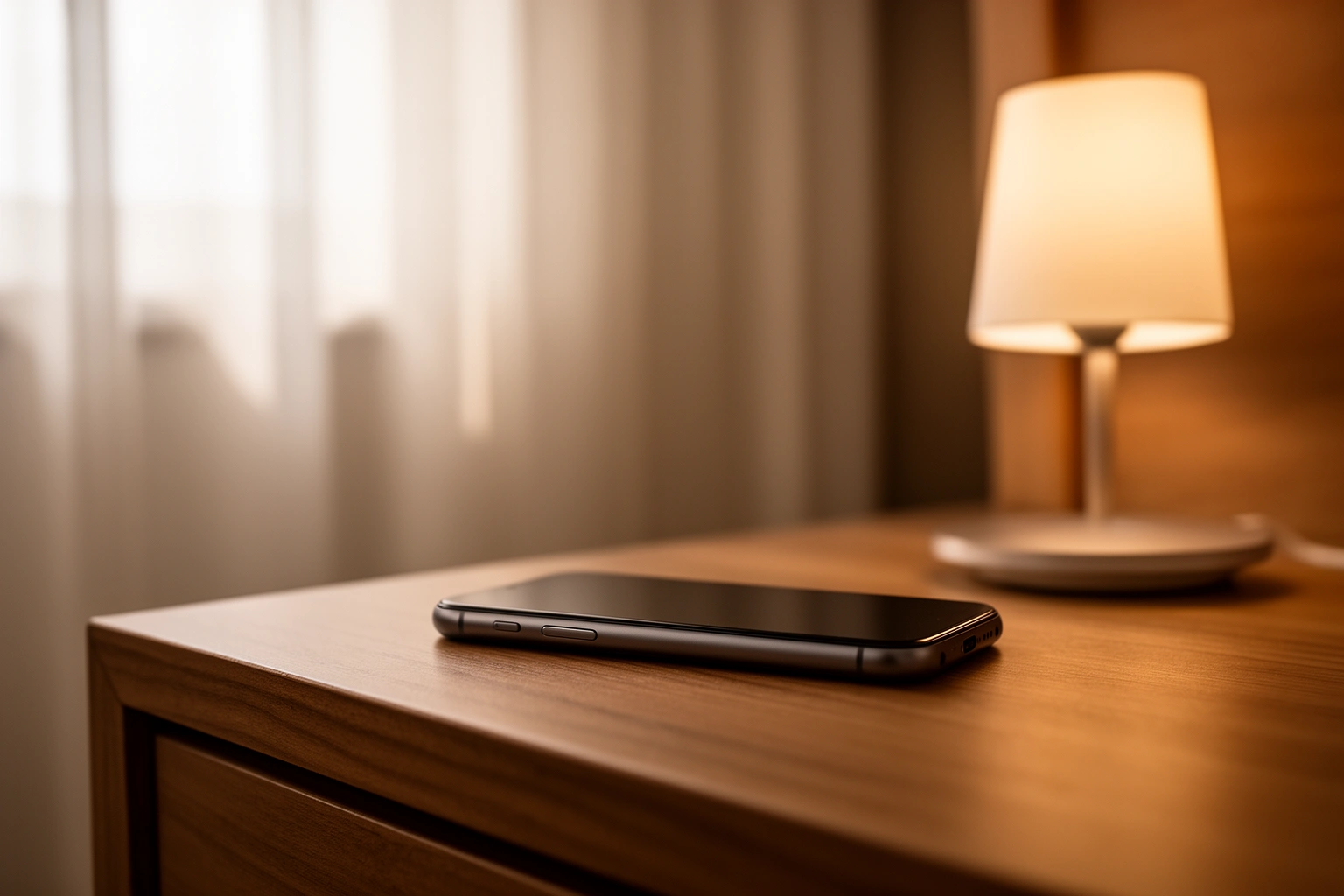
Delaying phone use until after the initial calm portion of the morning is the single most consistent element across nearly every slow morning routine, since checking notifications first thing hijacks the nervous system before it has a chance to settle. This one boundary does more work than any specific ritual.
Constant cognitive load, including early-morning phone use, has been shown to intensify stress responses before the day has even properly started. A phone check that takes thirty seconds can still trigger a flood of unrelated demands, emails, notifications, headlines, before a person has even gotten out of bed.
Anyone who has already started reducing screen clutter through something like simple ways to declutter your digital life will find a phone-free morning window is a natural extension of that same effort, applied to time rather than storage space.
Natural Light Exposure Plays a Bigger Role Than Expected
Getting natural light exposure within the first 30 minutes of waking helps regulate the body’s circadian rhythm, reinforcing the same cortisol pattern that phone-free mornings are designed to protect. Light and screens work in opposite directions on the same biological system.
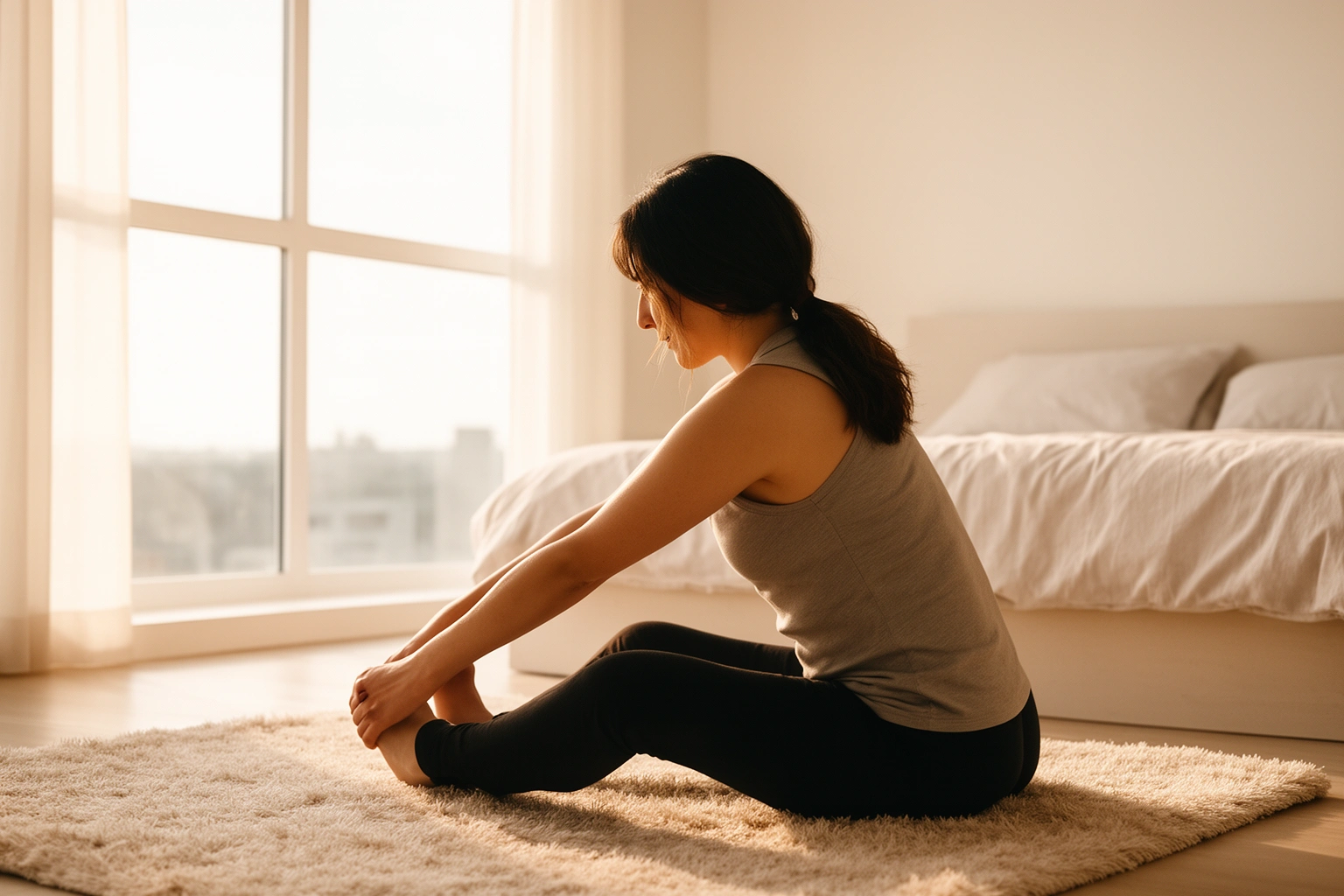
Stepping outside, even briefly, or simply sitting near a window rather than turning on artificial light first, aligns the body’s internal clock more effectively than most people realize. This single habit is often paired with gentle movement, like a short walk or light stretching, which further supports circulation and reduces lingering tension from sleep.
Ritual Beats Rulebook
Slow mornings work best as a loose set of grounding rituals, a slow coffee, brief stillness, gentle movement, rather than a rigid checklist that adds pressure instead of removing it. The moment a slow morning becomes another obligation, it stops functioning the way it’s supposed to.
Turning a morning drink into a genuine ritual, brewing coffee with a pour-over or steeping tea slowly rather than grabbing something pre-made, signals to the mind that the day deserves a considered start. This small act of intentional preparation matters more than the beverage itself.
Stillness takes different forms for different people: journaling, meditating, or simply sitting quietly with a cup of something warm. What matters is the pause itself, not the specific technique used to create it.
The Trend Looks Different Depending on Life Stage
Slow mornings mean something different to a stressed-out 20-something trying to prevent burnout than they do to a retiree whose internal rhythm has naturally shifted, but both groups describe the same underlying sense of relief. The specific form varies, but the function stays consistent.
For older adults, slow mornings often reflect a genuine biological shift, lighter sleep, easier waking, and less tolerance for sudden demands, layered on top of newfound freedom from rigid schedules. For younger workers, the same practice functions more as a deliberate boundary carved out of an otherwise demanding day.
Either way, the common thread is intention. A slow morning isn’t about being lazy or unproductive, it’s about choosing how the day begins instead of letting old habits or urgent notifications make that decision by default.
What a Typical Slow Morning Actually Includes
Most calm-first routines share a small set of common elements, even though the exact combination and timing varies significantly from person to person. There’s no single required template.
| Element | Purpose |
|---|---|
| Phone-free window | Prevents early cognitive overload |
| Natural light exposure | Regulates circadian rhythm and cortisol |
| Slow coffee or tea ritual | Signals an intentional, unhurried start |
| Gentle movement or stretching | Improves circulation, reduces lingering tension |
| Stillness or breathwork | Activates the parasympathetic nervous system |
That widespread stress is the primary driver behind the slow morning trend, particularly among workers under 35 who report the highest burnout rates of any age group.

Why It Fits Into a Bigger Cultural Shift
Slow mornings connect to a broader movement toward slow living, minimalism, and intentional lifestyle choices, reflecting growing frustration with a culture that constantly rewards urgency over presence. The trend isn’t isolated, it’s one visible piece of a larger reassessment.
Survey data shows more adults now prioritize mental health and work-life boundaries over constant availability, a shift that shows up in everything from flexible workplace start times to the rise of mindfulness programs in corporate settings. Slow mornings fit neatly into that pattern by treating calm as something that has to come first, not something earned only after exhaustion sets in.
Readers interested in more of this kind of intentional, low-pressure approach to daily life can find additional inspiration on AestheticPFPs, where small lifestyle shifts get the same thoughtful treatment as bigger changes.
Frequently Asked Questions
Why did slow mornings become such a popular trend?
Slow mornings gained popularity largely as a response to rising burnout, with 66% of American workers reporting burnout in 2025 and even higher rates among workers under 35.
Is there real science behind slow morning practices like breathwork?
Yes, research shows that controlled breathing activates the parasympathetic nervous system, lowering heart rate and reducing anxiety within minutes of practice.
Why do slow morning routines avoid phones first thing?
Checking a phone first thing can trigger a flood of unrelated demands and stress before the body has settled from sleep, and it can interfere with the natural cortisol rhythm tied to waking.
Does natural light actually matter for a slow morning?
Getting natural light within the first 30 minutes of waking helps regulate the body’s circadian rhythm, working in a similar direction as avoiding screens right after waking.
Do slow mornings require waking up extra early or having a lot of free time?
No, a slow morning is intentional rather than lazy, and it can take as little as a few minutes of phone-free time and light exposure even on a busy workday.
How does the slow morning trend relate to slow living overall?
Slow mornings connect to a broader slow living movement that includes minimalism and intentional lifestyle choices, reflecting a cultural shift toward valuing presence over constant urgency.