Fun Facts About the World’s Most Photographed Places

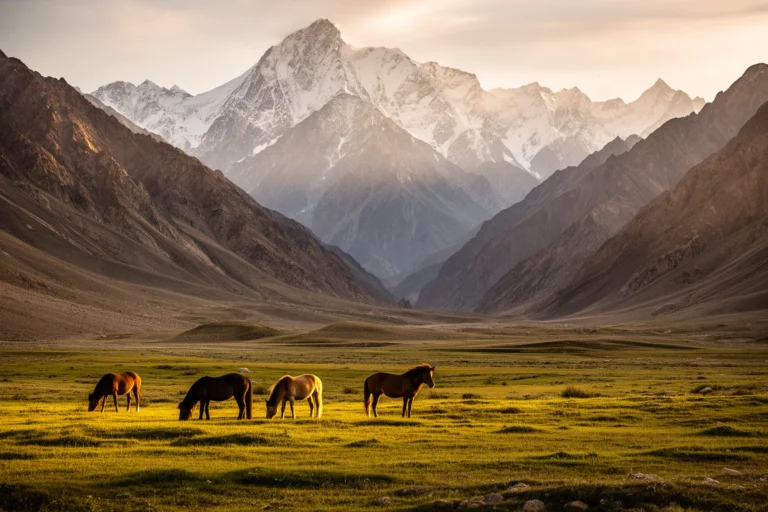
Some of the world’s most photographed spots aren’t the landmarks most people would guess. Behind every iconic skyline shot and viral travel photo sits a specific history, and sometimes a genuine surprise about which building or corner of a city actually gets the most camera attention. These facts dig into the stories behind the world’s most snapped locations.
New York’s Most Photographed Spot Isn’t What Most People Expect
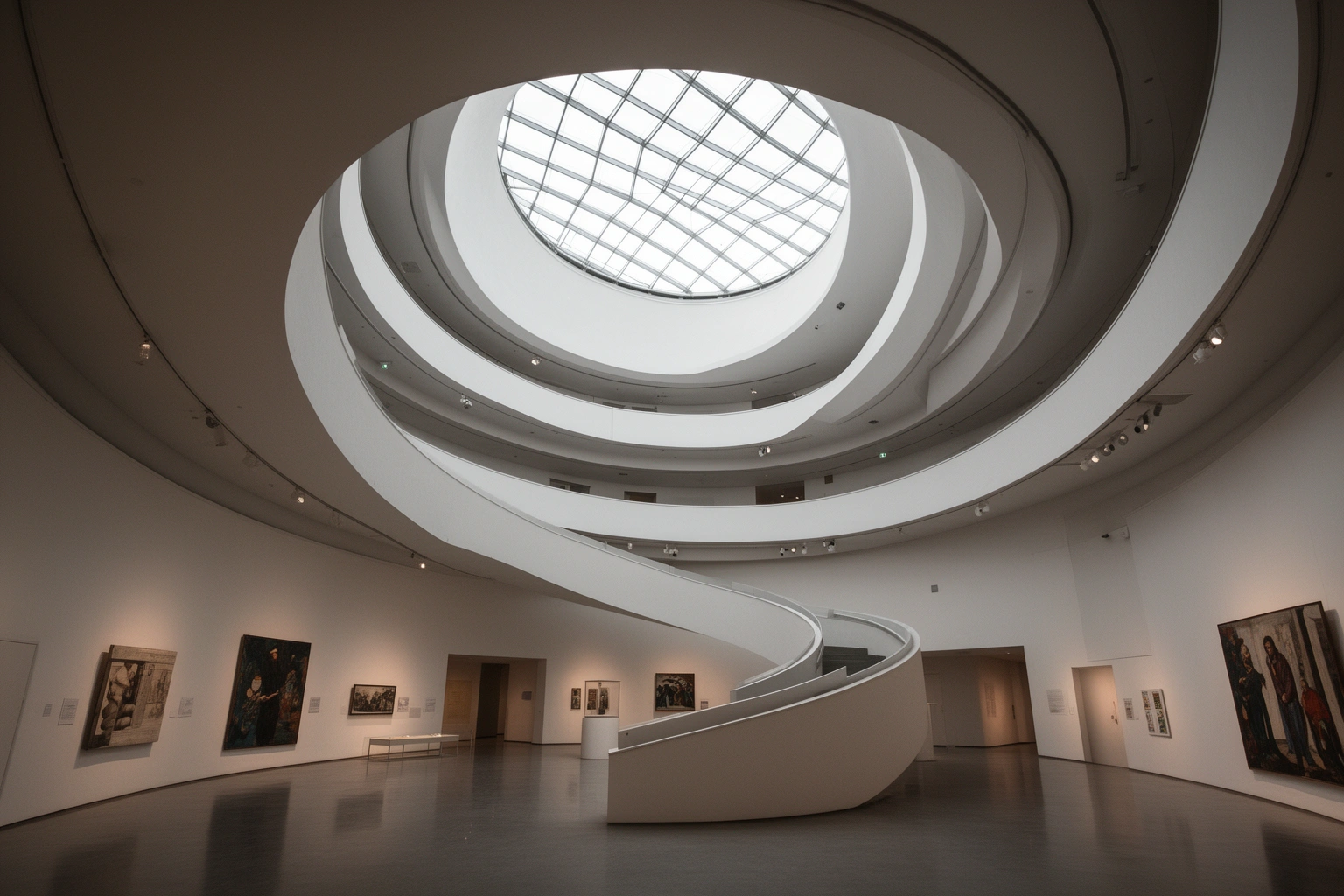
Despite New York City drawing an estimated 53 million visitors a year, the Solomon R. Guggenheim Museum, not the Statue of Liberty or Empire State Building, is reportedly the most photographed landmark in the entire city. Frank Lloyd Wright’s continuous spiral design, opened in 1959, turns out to be a bigger camera magnet than the more obvious tourist icons.
The museum’s design was genuinely unconventional for its time, built around a continuous spiral ramp that lets visitors circle the entire collection along a single unbroken path rather than moving room to room. That architectural novelty, paired with its Upper East Side location and ever-expanding collection of Impressionist, Post-Impressionist, and contemporary art, apparently makes it more photogenic in practice than the city’s more famous silhouettes.
Paris’s Most Photographed Landmark Isn’t the Eiffel Tower
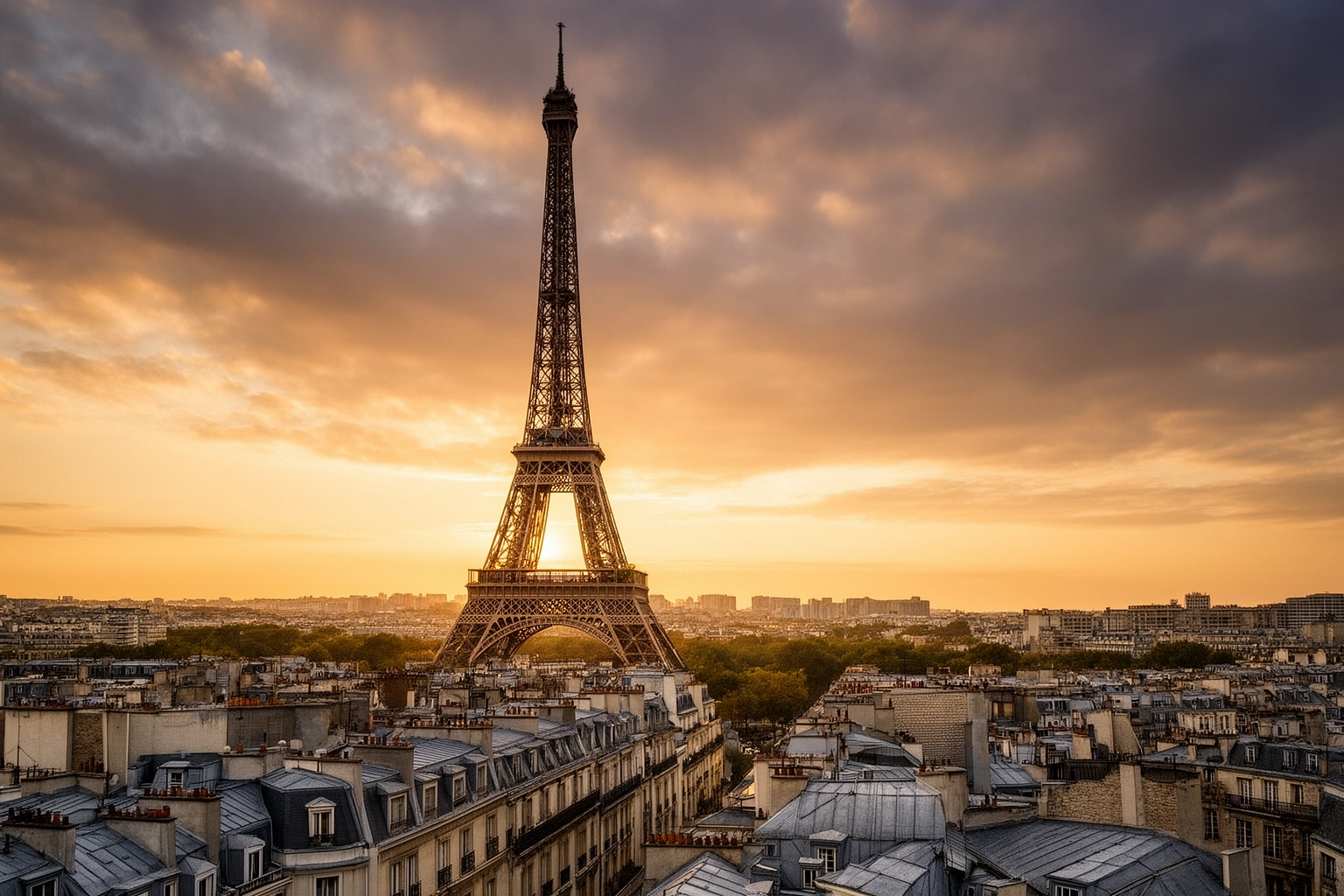
While the Eiffel Tower remains globally iconic, one major travel data analysis found the Moulin Rouge, the French cabaret famous as the birthplace of the can-can, actually ranks as Paris’s single most photographed site. Its red windmill rooftop and neon lighting apparently draw more individual camera clicks than the tower itself.
Originally built as the grand entrance to the 1889 World’s Fair, the Eiffel Tower was actually scheduled for demolition in 1909 once the fair concluded. It survived only because Paris needed a tall structure for radio antenna purposes, an unglamorous technical justification that ended up preserving what became one of the most recognized monuments on Earth.
Italy Is the Single Most Photographed Country on Earth
Geographic photo-mapping data shows Italy as the most densely photographed country in the world, with Rome ranking as the second most photographed city globally, driven largely by the Colosseum, the Pantheon, and the Trevi Fountain. The concentration of ancient and Renaissance architecture across the country makes it a uniquely camera-dense destination.
Rome’s Trinità dei Monti, a late Renaissance church perched at the top of the Spanish Steps overlooking the Piazza di Spagna, is considered the single most photographed location in all of Italy specifically. The nearby Sallustiano Obelisk, unveiled by Pope Pius VI in the late 18th century, adds another layer of history to what’s essentially become one giant open-air photo backdrop.
Venice contributes its own share to Italy’s photo dominance, with the wooden Ponte dell’Accademia bridge, built in 1933 as a temporary replacement structure that ended up staying permanently, now ranking as the most photographed spot in the entire canal city.
Some of the Most Photographed Places Are Surprisingly Recent Creations
Alongside centuries-old landmarks like the Colosseum and the Acropolis, newer attractions built specifically for scale and visual impact, including Singapore’s Gardens by the Bay and Tokyo’s teamLab Planets, now rank among the most photographed sites on the planet. Camera-worthiness isn’t only a function of historical significance.
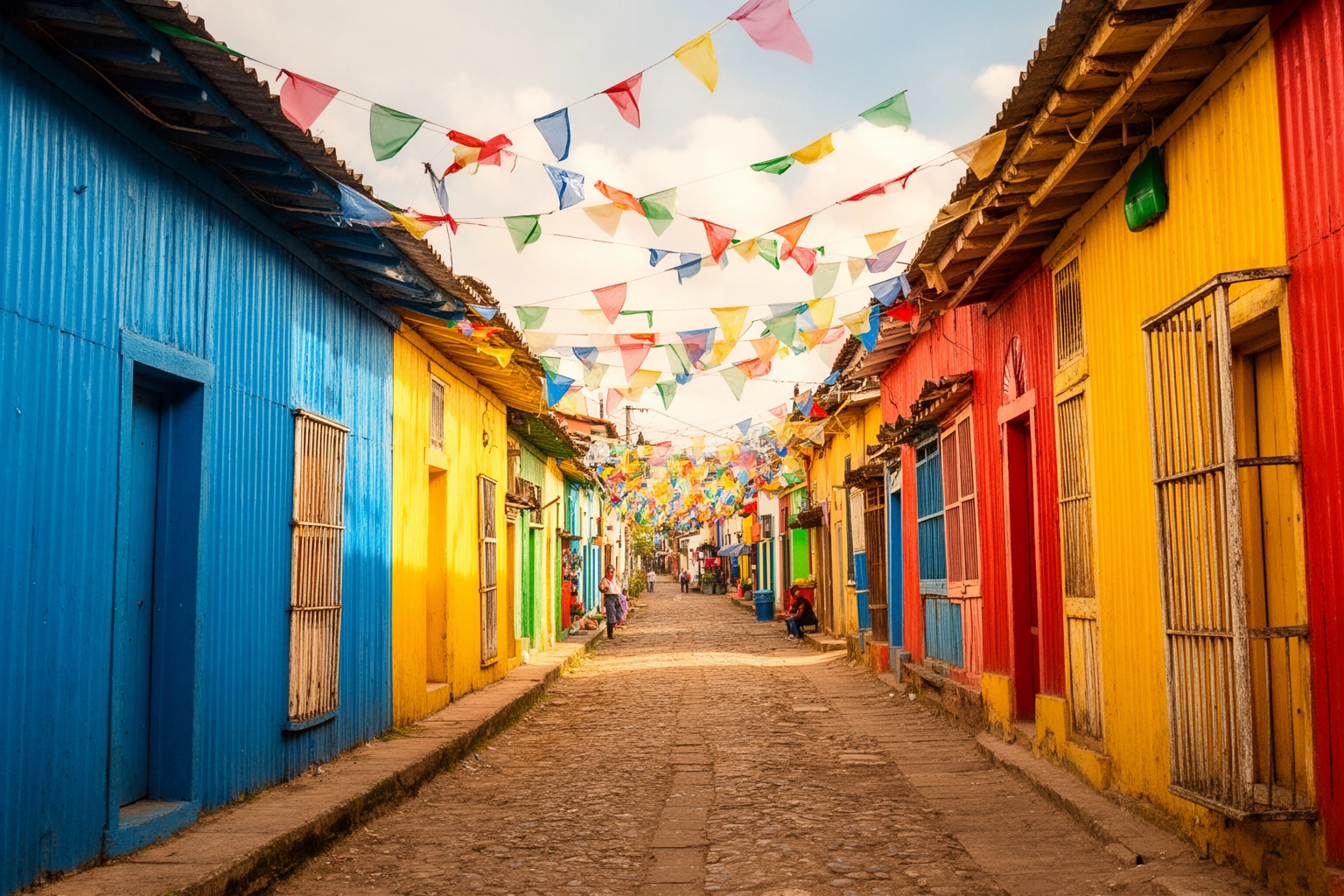
Buenos Aires offers a similarly modern example. Caminito, a vibrant, colorfully painted pedestrian street built in the 1950s by artist Benito Quinquela Martín, has become one of the most photographed spots in South America, despite being a relatively recent artistic creation rather than an ancient monument.
Las Vegas’s newly opened Sphere, a $2.3 billion music and entertainment venue, represents an even more recent addition to this pattern, joining a growing category of destinations built explicitly with social media visibility in mind. This dynamic connects closely to the broader shift covered in how AI is changing the way we take photos, since smartphone technology has made it dramatically easier for any striking new location to rack up millions of photos within just a few years of opening.
World Photography Day Traces Back to a Very Specific 1839 Announcement
World Photography Day, celebrated annually on August 19, commemorates the exact date in 1839 when the French government officially announced Louis Daguerre’s invention of the daguerreotype, though the modern celebration itself only emerged decades later. The connection between a 19th century technical announcement and today’s Instagram culture is more direct than it might seem.
The daguerreotype was among the earliest practical photography processes, and its public unveiling effectively marked photography’s transition from a scientific curiosity into something the wider public could eventually access. The formal observance of World Photography Day emerged much more recently, promoted by photographers’ communities and cultural groups throughout the late 20th and early 21st centuries.
The Statue of Liberty Isn’t Even New York’s Top Photo Spot
Despite being one of the most globally recognized American landmarks, the Statue of Liberty doesn’t top New York City’s own most-photographed rankings, another data point reinforcing that fame and photo frequency don’t always align perfectly. Visitors clearly love the Guggenheim’s design more than the older data suggests they should.
This pattern of surprising rankings, where the presumed icon isn’t actually the most-snapped spot, repeats across multiple cities on this list, from Paris to New York, suggesting travelers are drawn to visually striking architecture and color just as strongly as to historical significance alone.
Most Photographed Places by City, Compared
Comparing the “obvious” landmark against the actual most-photographed spot in several major cities reveals just how often visitor behavior diverges from conventional fame. Reputation and camera frequency aren’t always the same thing.
| City | Assumed Icon | Actual Most Photographed Spot |
|---|---|---|
| New York City | Statue of Liberty | Guggenheim Museum |
| Paris | Eiffel Tower | Moulin Rouge |
| Rome | Colosseum | Trinità dei Monti |
| Venice | Grand Canal | Ponte dell’Accademia |
That’s roughly how many tourists visit New York City annually, generating enough photo volume to make even its lesser-known landmarks into globally recognized photo destinations.
Why These Rankings Keep Shifting
As smartphone cameras and social media platforms continue to evolve, the list of the world’s most photographed places keeps changing alongside them, with newer attractions rising quickly to challenge landmarks that have held their status for over a century. Photo fame, it turns out, is far less permanent than the buildings themselves.
Readers curious about more surprising facts behind familiar places and everyday technology can find additional reading on AestheticPFPs, where travel and tech topics get the same well-researched, curious treatment as this deep dive into photography’s favorite destinations.
Frequently Asked Questions
What is the most photographed place in New York City?
Surprisingly, the Solomon R. Guggenheim Museum is reportedly New York City’s most photographed landmark, ahead of both the Statue of Liberty and the Empire State Building.
Is the Eiffel Tower really the most photographed spot in Paris?
One major travel data analysis found the Moulin Rouge, not the Eiffel Tower, ranks as the single most photographed site in Paris.
What is the most photographed country in the world?
Geographic photo-mapping data shows Italy as the most densely photographed country in the world, with Rome ranking as the second most photographed city globally.
What is World Photography Day and why is it celebrated?
World Photography Day commemorates the 1839 French government announcement of Louis Daguerre’s invention of the daguerreotype, an early practical photography process.
Are newer attractions really as photographed as ancient landmarks?
Yes, newer attractions like Singapore’s Gardens by the Bay, Tokyo’s teamLab Planets, and the Las Vegas Sphere now rank among the world’s most photographed places despite their recent construction.
What is Italy’s most photographed single landmark?
Trinità dei Monti, a late Renaissance church at the top of Rome’s Spanish Steps, is considered the single most photographed location in all of Italy.