How to Pack Light for Any Trip Without Stress

Packing light isn’t about deprivation, it’s about removing the friction that turns travel prep into a stressful ordeal. U.S. airlines collected more than $7.4 billion in baggage fees in 2025 alone, a number that’s climbed 162% over five years, making a lighter bag a genuine financial strategy as much as a comfort one. Here’s how to pack for any trip without the usual last-minute panic.
Start With a One-Week Wardrobe, Regardless of Trip Length
Experienced travelers consistently recommend packing for roughly one week of clothing, no matter how long the actual trip lasts, and planning to do laundry along the way rather than bringing a fresh outfit for every single day. This single mental shift eliminates most overpacking before it even starts.
A common guideline breaks this down concretely: one hat, two pairs of shoes, three bottoms, four tops, five pairs of socks, and six pairs of underwear, enough to comfortably last around two weeks with minimal laundry. Getting comfortable wearing the same pieces more than once is a mental adjustment more than a practical one, since in reality no one else is tracking outfit repeats the way it might feel like they are.
Committing to laundry mid-trip, whether through a hotel service, a laundromat, or handwashing in a sink, is what makes the one-week rule work for trips of any length, from a long weekend to several months.
Build a Capsule Wardrobe Around One Color Palette
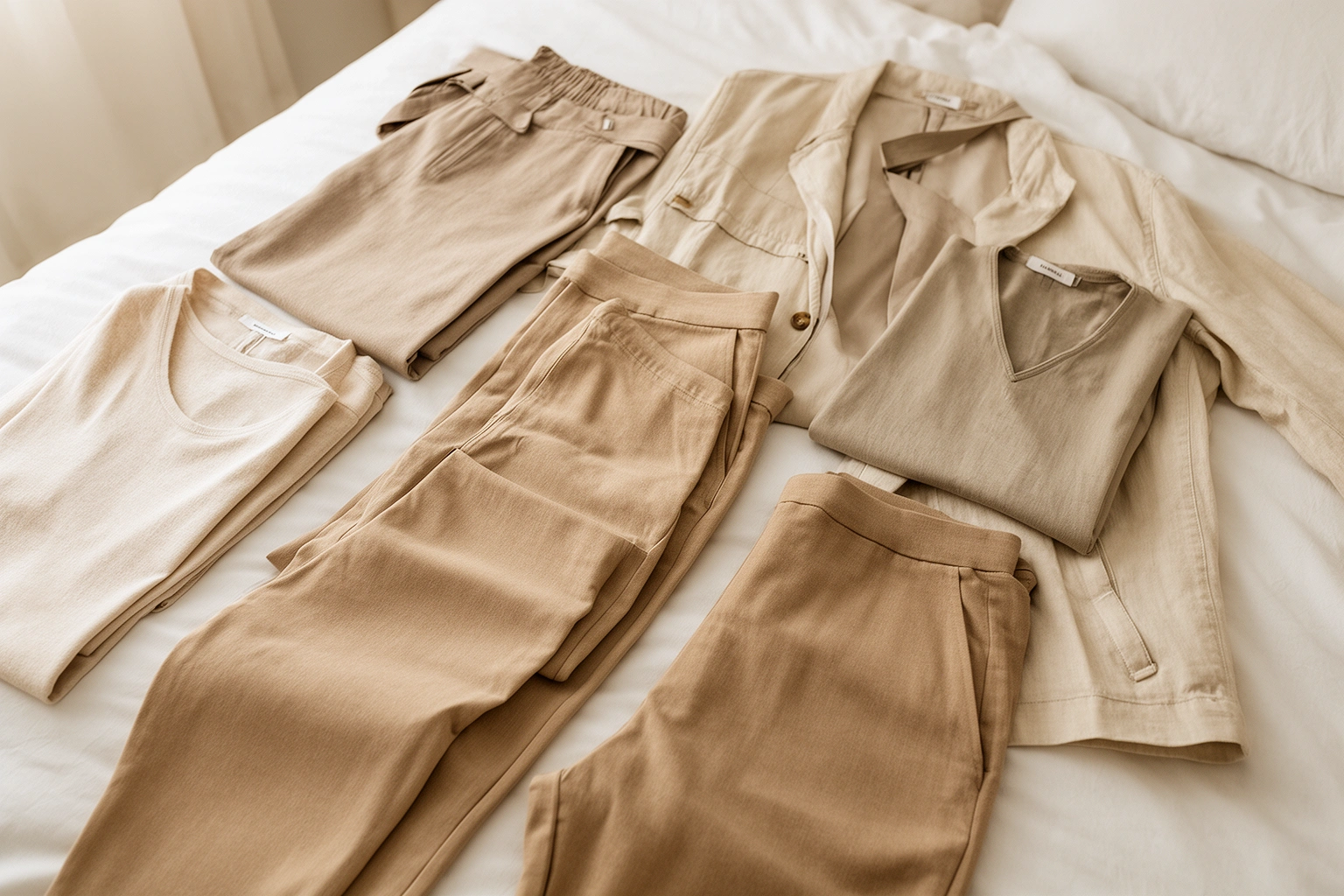
Choosing clothing in a single coordinated color scheme, so every top can pair with every bottom, dramatically multiplies the number of possible outfits without adding a single extra item to the bag. This is the core principle behind nearly every effective light-packing system.
Popular structured approaches include the 5-4-3-2-1 method, limiting clothing to five tops, four bottoms, three pairs of shoes, two dresses, and one accessory, or the “333” Sudoku-style method, which curates coordinated pieces within a compact grid. Both force a capsule wardrobe mindset that naturally prevents overpacking.
Neutral, darker-colored, lightweight fabrics tend to work best for this approach, since they mix and match more easily and show less visible wear across repeated use than bright colors or busy patterns.
Roll, Don’t Fold, and Consider Compression
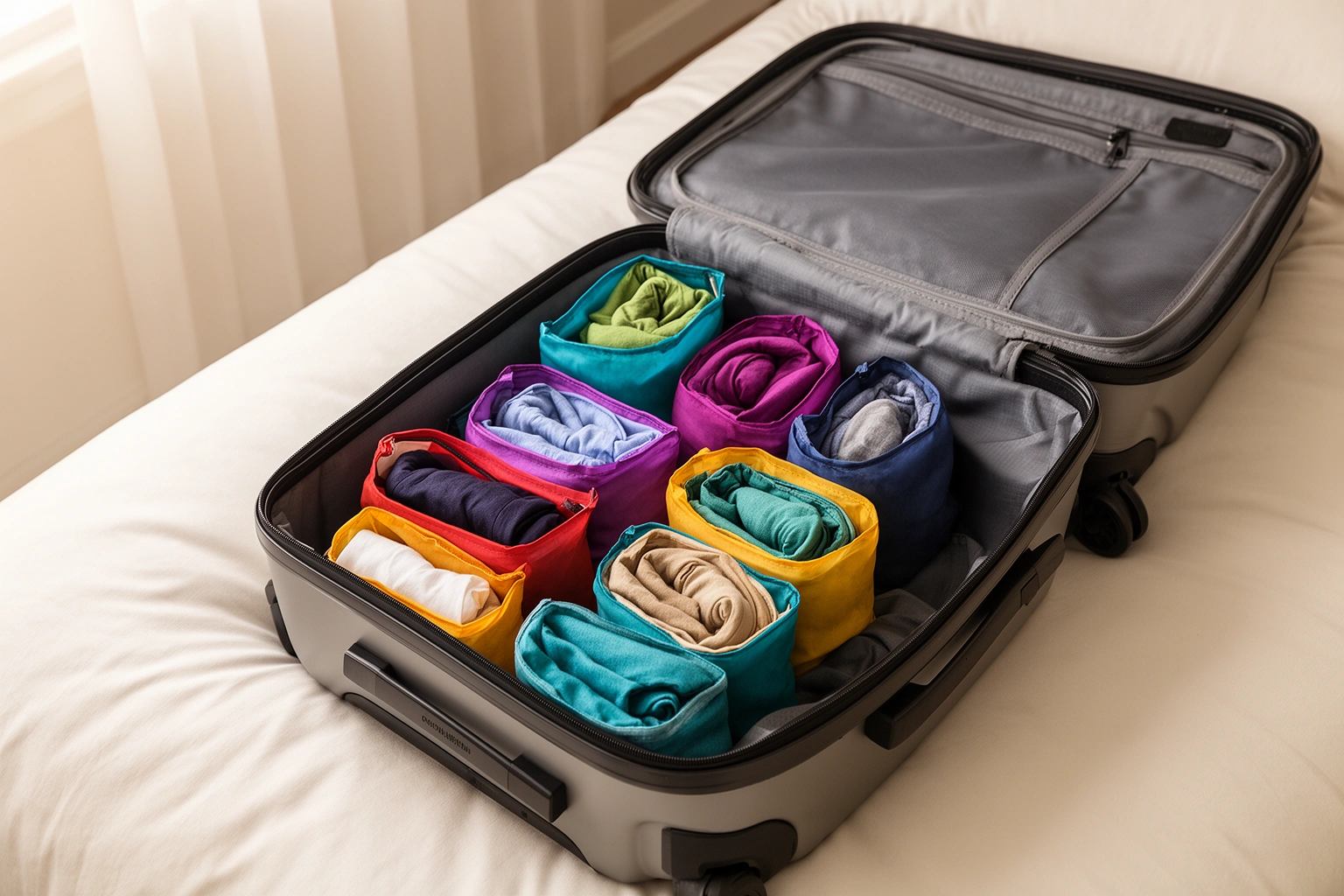
Rolling clothing instead of folding it saves meaningful space and reduces wrinkles, and pairing that technique with compression packing cubes maximizes it even further. These two space-saving tactics work best when combined rather than used alone.
Packing cubes with a secondary compression zipper let travelers zip clothing in, then compress the whole bundle down further, freeing up real room elsewhere in the bag. It’s worth keeping an eye on total bag weight during this process, since compression increases density even as it reduces volume, and overweight checked-bag fees can top $100 per bag on some airlines.
A simple layering trick inside the suitcase itself also helps: place heavier items like shoes at the bottom, medium-weight clothing in the middle, and lighter, more compressible items on top, using small gaps for socks, chargers, or other accessories.
Two Pairs of Shoes Covers Nearly Every Trip
Most travelers can comfortably manage an entire trip with just two pairs of shoes, one comfortable pair worn during travel days and one slightly dressier but still wearable pair packed in the bag. Footwear is consistently one of the bulkiest, heaviest items in any suitcase.
Choosing multiuse footwear, like light trail-running shoes that work for walking, light hiking, and casual wear, offers more versatility than a single-purpose pair of hiking boots or dress shoes. Breaking shoes in before the trip, rather than wearing them for the first time on travel days, helps avoid blisters that can derail an otherwise smooth trip.
A simple space-saving trick many frequent travelers use is stuffing socks or small items inside packed shoes, turning otherwise wasted interior shoe space into functional storage.
Toiletries Deserve the Same Minimalist Treatment
Decanting products into small, refillable containers or switching to solid alternatives like shampoo bars and soap leaves eliminates most of the bulk that toiletries typically add to a bag. A little product goes a long way when chosen deliberately.
Following the TSA’s 3-1-1 liquids rule, containers of 3.4 ounces or less, all fitting inside a single quart-sized clear bag, keeps security checks quick and avoids gate-side disposal of oversized containers. Solid options like shampoo bars, soap bars, and toothpaste tablets bypass the liquid restriction entirely while taking up noticeably less space than bottled versions.
Repackaging vitamins and medications into small snack-size bags, rather than carrying bulky original bottles, saves additional space and weight without sacrificing anything actually needed during the trip.
The “If You’re Debating It, Leave It” Rule
Laying every intended item out before packing and cutting anything genuinely uncertain is one of the simplest, most effective ways to start packing lighter, since hesitation itself is usually the clearest sign an item isn’t essential. This mental filter works better than any specific packing system alone.
Most “what if” scenarios, what if it rains, what if there’s a fancy dinner, are better solved with a few genuinely versatile pieces than with dedicated items packed just in case. And for anything truly forgotten, most destinations, even remote ones, have basic shops carrying essentials like toothpaste or a phone charger.
This same instinct toward simplicity connects to the mindset covered in fun facts about the world’s most photographed places, since travelers chasing the perfect shot often discover the memorable experience comes from being present at the destination, not from how much gear was hauled there to capture it.
Leave Room for the Trip Itself
Keeping roughly a quarter of a bag’s total space empty makes loading and unloading easier throughout the trip and leaves genuine room for souvenirs, gifts, or anything picked up along the way. A completely maxed-out bag on day one creates problems by day three.
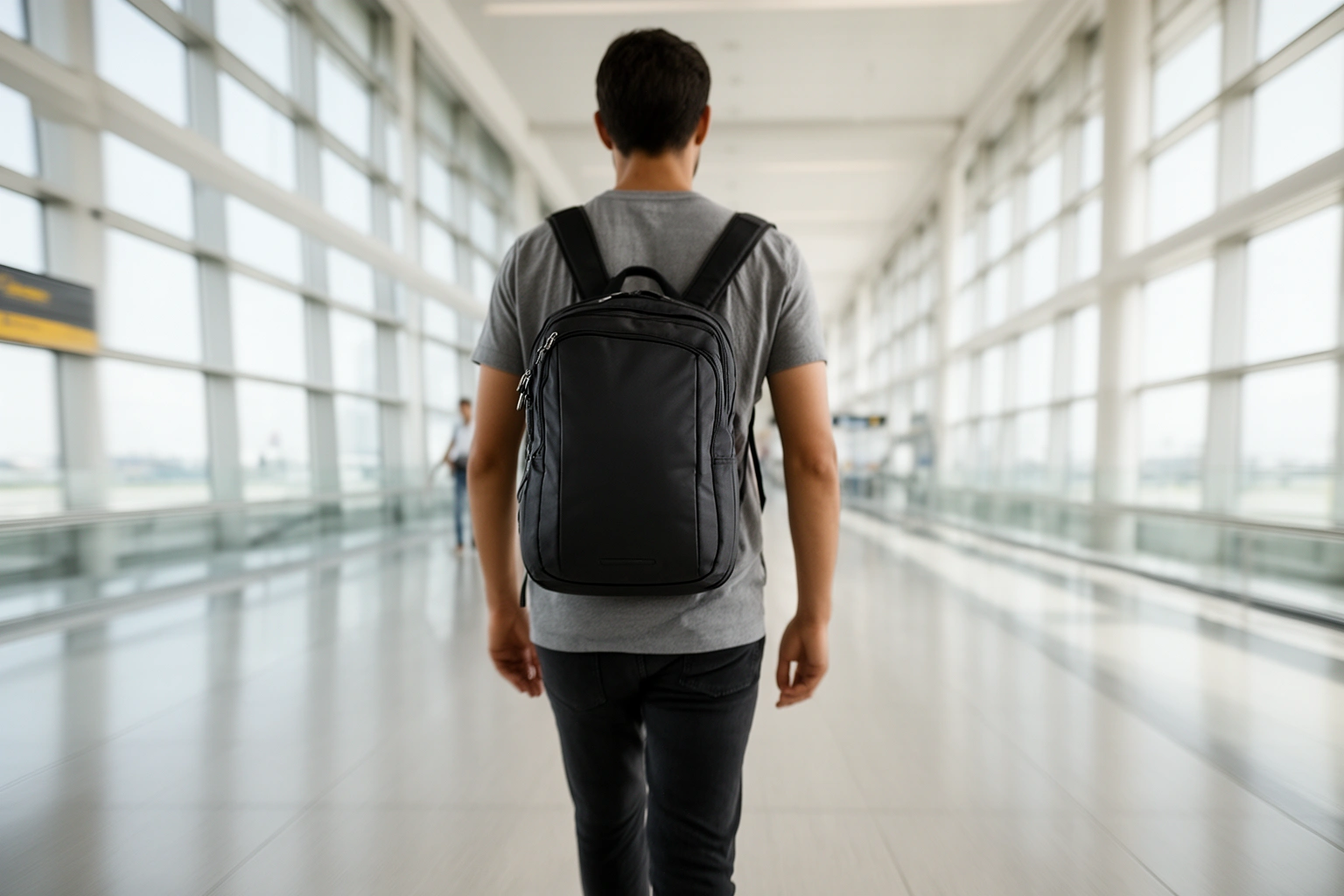
A foldable tote bag or lightweight duffle packed flat inside the main suitcase provides overflow capacity for the return trip without adding meaningful weight on the way out. Sticking to a carry-on-only approach when possible skips checked-bag fees entirely and avoids the baggage claim wait, letting travelers walk straight out of the airport upon arrival.
Packing Light Strategy Comparison
Different structured packing systems suit different travel styles, so picking the one that matches personal preferences makes the habit easier to maintain across multiple trips. There’s no single correct method, just the one that actually gets used consistently.
| Method | How It Works |
|---|---|
| One-week rule | Pack for 7 days max, plan for laundry mid-trip |
| 5-4-3-2-1 method | 5 tops, 4 bottoms, 3 shoes, 2 dresses, 1 accessory |
| 333 / Sudoku method | Coordinated pieces within a 3×3 mix-and-match grid |
| Carry-on only | Skip checked bags entirely, avoid fees and claim waits |
That’s how much U.S. airlines collected in checked-bag fees in a single year, a figure up 162% over five years, making a lighter bag an increasingly real financial decision.
Packing Light Gets Easier With Practice
Like any skill, packing light improves the more it’s practiced, and most travelers who commit to it for even one trip rarely go back to hauling heavy luggage afterward. The first attempt is usually the hardest one.
Readers planning their next trip can find more practical, stress-reducing travel guidance on AestheticPFPs, where travel topics get the same clear, actionable treatment as this packing guide.
Frequently Asked Questions
How much clothing should I actually pack for a long trip?
Most experienced travelers pack for roughly one week of clothing regardless of total trip length, then plan to do laundry along the way, whether the trip is a weekend or several months.
What is the 5-4-3-2-1 packing method?
The 5-4-3-2-1 method limits clothing to five tops, four bottoms, three pairs of shoes, two dresses, and one accessory, forcing a mix-and-match capsule wardrobe.
Does rolling clothes really save more space than folding?
Yes, rolling clothing saves space and reduces wrinkles, and pairing it with compression packing cubes maximizes space savings even further, though it’s worth watching total bag weight.
How many pairs of shoes should I pack for a trip?
Two pairs are usually enough for most trips: one comfortable pair worn on travel days and one slightly dressier but still wearable pair packed in the bag.
What’s the best way to pack toiletries light?
Decanting products into small refillable containers or switching to solid alternatives like shampoo bars and toothpaste tablets significantly reduces both bulk and weight.
Is packing light really worth it financially?
U.S. airlines collected more than $7.4 billion in baggage fees in 2025, a figure that’s risen 162% over five years, making a lighter, carry-on-friendly bag a genuine cost-saving strategy.