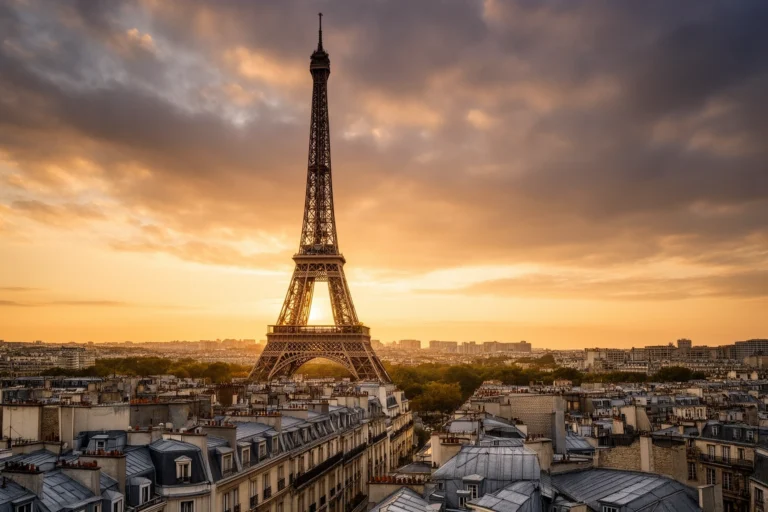
Why Some Destinations Are Trending on Social Media Right Now

The map of where people want to travel has always shifted with culture, but the speed of that shift has changed entirely. A destination can now go from unknown to bucket-list essential in the time it takes a single video to go viral. Here’s what’s actually driving which places catch fire on social media right now, and why the trend cuts in more than one direction.
Video Content Has Become the Primary Trip-Planning Tool
Social media vlogs, particularly on TikTok, Instagram, and YouTube, have evolved from simple photo-sharing platforms into a full decision-making ecosystem where videos and influencer recommendations actively drive where people choose to travel. This marks a real structural shift, not just a marketing trend.
Travel businesses and destination marketers increasingly tailor their entire strategy around this shift, recognizing that millions of travelers now turn to short-form video for inspiration, planning, and validation before ever booking a trip. The blend of visual immersion, personal storytelling, and peer credibility gives influencer content a kind of persuasive power traditional travel marketing never had.
This dynamic connects directly to the broader shift in how travel moments get captured and shared in the first place, a pattern covered in best travel games to play on long flights, where entertainment habits during travel itself have evolved alongside how people document and share the journey afterward.
Kyrgyzstan Shows How Fast a Destination Can Explode
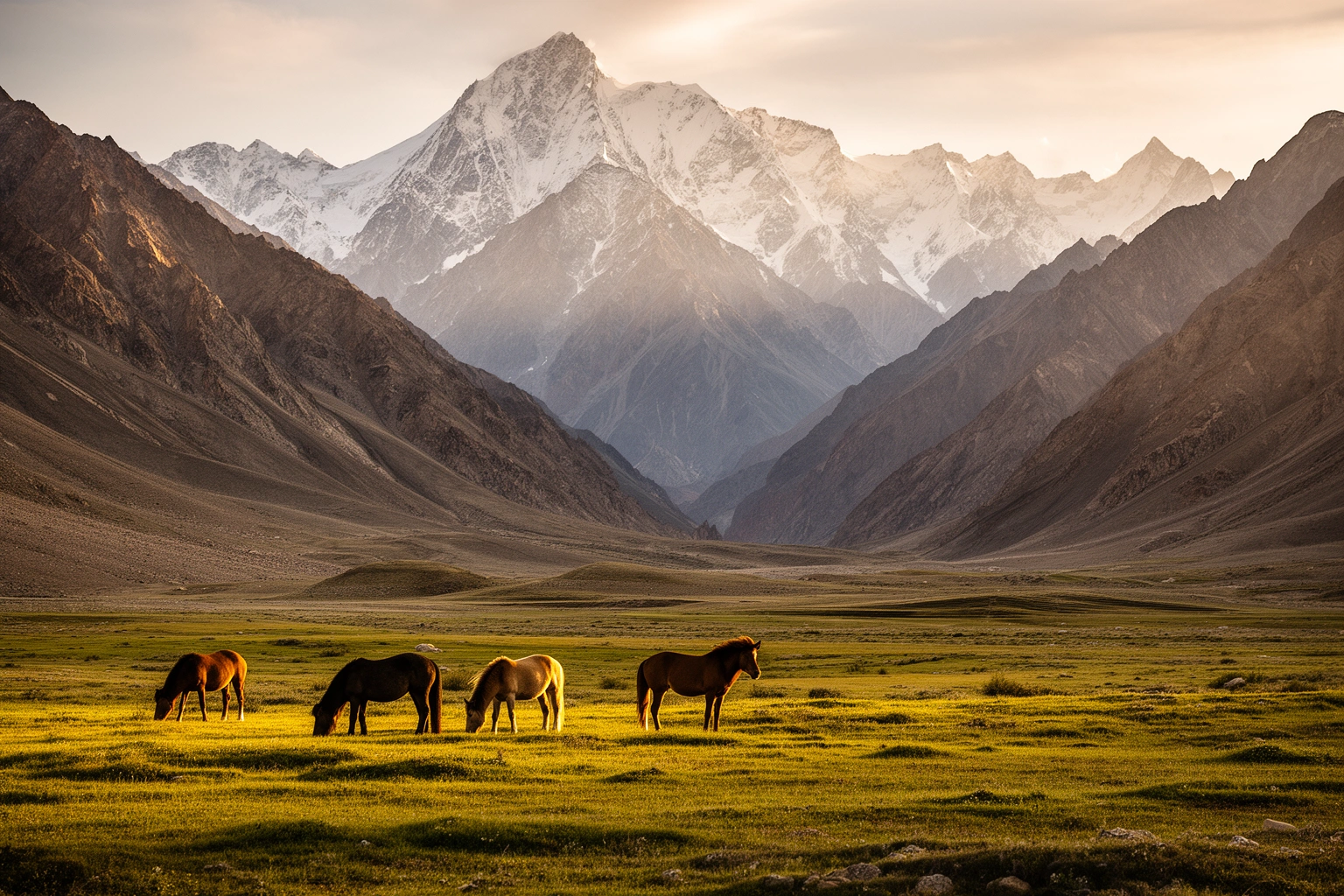
Kyrgyzstan is widely cited as one of the clearest examples of the TikTok era’s power to put an entire country on the map almost overnight, driven by content showcasing its rugged landscapes, horseback wilderness rides, and Silk Road heritage. One travel blogger described it as “the first country that’s truly come out of nowhere” thanks to social video.
What makes Kyrgyzstan’s rise notable is that it wasn’t built on a single iconic landmark the way older tourism booms often were. Instead, the appeal centers on immersive, atmospheric footage, wide open landscapes, traditional culture, a genuine sense of remoteness, that translates unusually well to short-form video formats built for visual storytelling.
Exclusivity and Novelty Are Doing Most of the Work
Untouched beaches, secluded mountain villages, and hidden local neighborhoods are rising to prominence specifically because their appeal lies in exclusivity and novelty, making travelers feel like insiders discovering something before the crowds arrive. This dynamic rewards destinations that feel undiscovered over those that are simply beautiful.
Travel trend researchers note that the most engaging trips now combine authentic experiences with genuine opportunities for creative expression, meaning a destination’s photogenic quality alone isn’t enough anymore, it needs to offer a story worth telling. Destinations that support this kind of narrative depth tend to spread faster and stick around longer in the algorithm than purely scenic backdrops.
A Real Backlash to Algorithm-Driven Travel Is Building
A notable counter-trend has emerged alongside the viral destination boom: one survey found 73% of Americans say visiting somewhere no one they know or follow on social media has been is genuinely appealing. Social media fatigue is measurably shaping travel decisions in the opposite direction from where it started.
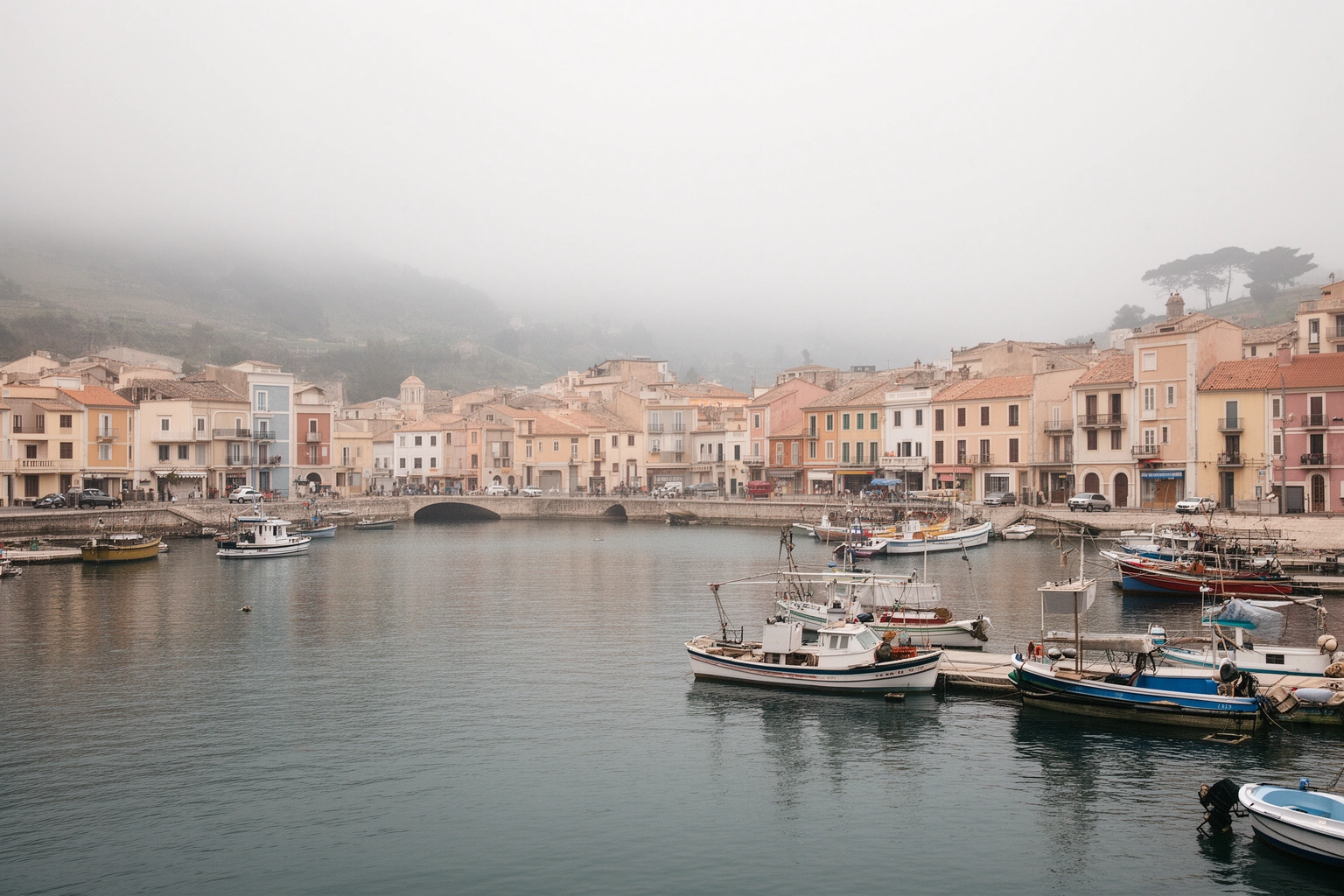
This resistance shows up in specific under-the-radar picks gaining traction precisely because they haven’t gone viral yet, including places like Aberdeen, Scotland; Trieste, Italy; and Asuncion, Paraguay. Industry analysts increasingly describe travelers reporting a need to leave algorithms behind entirely and avoid destinations already suffering from overtourism.
Some destinations that experienced heavy social media hype have since faced real environmental and infrastructure strain as a direct result, prompting local authorities in several regions to actively rethink how they manage and respond to sudden online exposure.
The Trend Is Shifting From Destination to Feeling
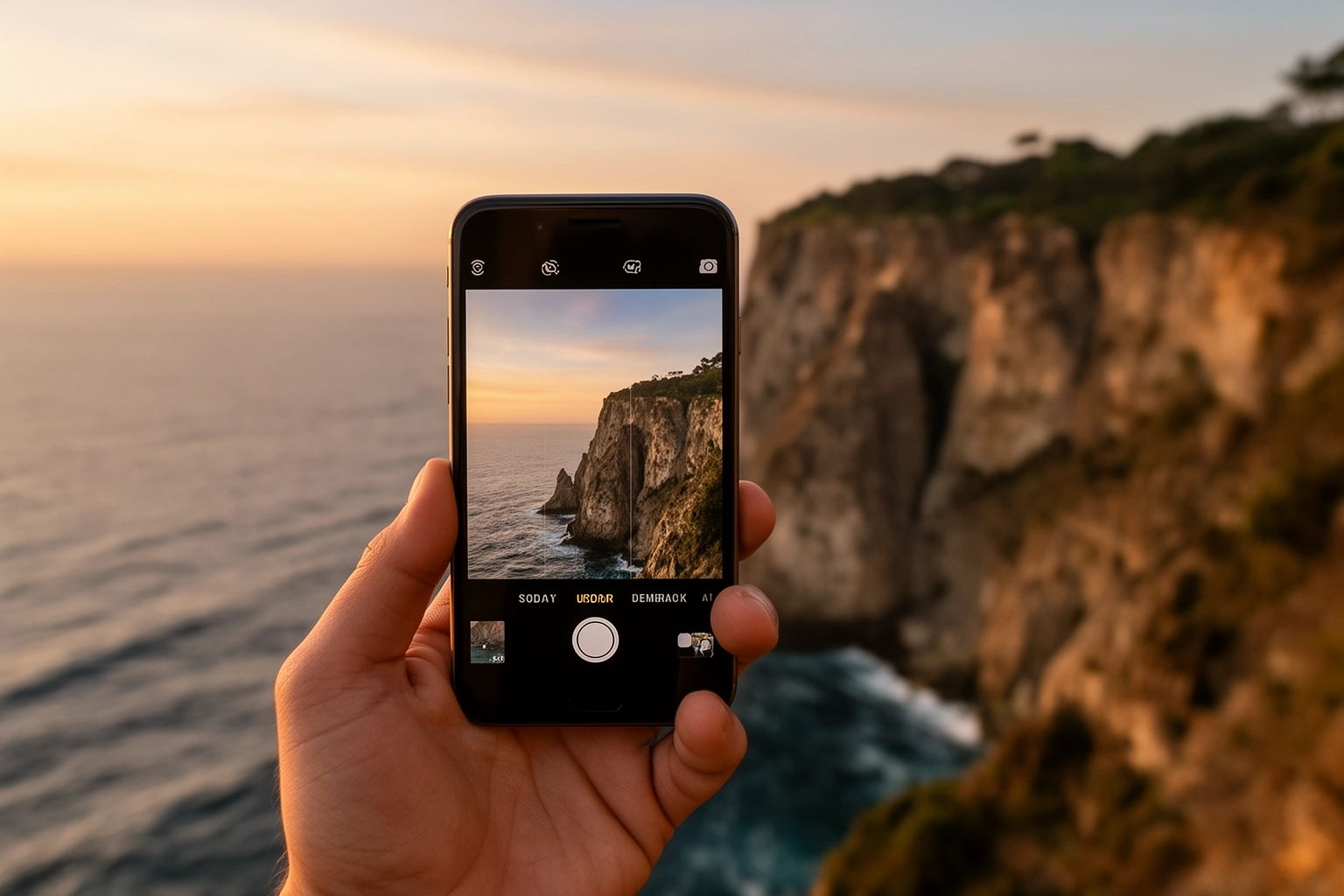
Recent travel research suggests people increasingly search for trips based on an emotional feeling rather than a specific place, with roughly a quarter of travelers now beginning their search around a vibe rather than a destination name. This represents a genuinely different starting point for trip planning than the traditional bucket-list approach.
This shift shows up in trends toward nostalgia-driven travel, ancestry pilgrimages retracing family heritage, and communal experiences like social bathhouses and shared dining rituals. There’s also a documented pull back toward human-guided discovery over algorithmically curated itineraries, with travelers increasingly wanting to learn about a destination from real people on the ground rather than purely from curated online content.
Hard Data Still Backs Up Which Places Are Actually Trending
Beyond anecdotal social buzz, concrete search and booking data from platforms like Google Flights and Skyscanner confirms specific destinations are seeing real year-over-year growth in traveler interest. The social media narrative and the booking data generally point in the same direction, even if they don’t perfectly match.
International destinations showing strong 2026 growth include Dubrovnik, Croatia; Mexico City, Mexico; and Tel Aviv, Israel, while domestic U.S. searches spiked hardest for Kansas City, Missouri; Sarasota, Florida; and Asheville, North Carolina. One travel company reported a 370% jump in interest for a specific Kenya-Tanzania itinerary, reflecting a broader move toward slower, conservation-focused wildlife travel over the traditional fast-paced safari format.
What’s Driving Destination Trends Right Now
Several distinct forces are shaping 2026 travel trends simultaneously, sometimes pulling in opposite directions at once. Understanding each factor separately explains why the overall picture can feel contradictory.
| Driving Force | Effect on Travel Choices |
|---|---|
| Short-form video content | Rapidly boosts visibility of new destinations |
| Novelty and exclusivity | Favors undiscovered spots over famous landmarks |
| Social media fatigue | Pushes travelers toward under-the-radar picks |
| Emotion-first planning | Shifts search from place names to a desired feeling |
| Booking and search data | Confirms which trends translate to real trips |
That’s the share of Americans who told Skyscanner that visiting a destination no one they know or follow on social media has been is genuinely appealing, a direct counter-current to viral travel trends.
The Bigger Picture Behind the Trend
Social media hasn’t just changed where people want to travel, it’s changed how quickly a place can rise, and how quickly travelers can grow tired of that same place once everyone else arrives too. Both forces are now operating simultaneously, and shaping the travel map in real time.
Readers curious about more of what’s shaping travel behavior right now can find additional reading on AestheticPFPs, where travel topics get the same well-researched, current treatment as this look at social media’s influence on destination trends.
Frequently Asked Questions
What is an example of a destination that went viral quickly?
Kyrgyzstan is widely cited as one of the clearest examples, going from largely unknown to a major bucket-list destination driven by TikTok content showcasing its landscapes, horseback culture, and Silk Road heritage.
How does social media actually influence where people travel?
Social media vlogs and influencer content have become a central part of the travel decision-making process, with millions of users turning to platforms like TikTok, Instagram, and YouTube for inspiration and validation before booking.
Is there a backlash against social media influencing travel?
Yes, one survey found 73% of Americans said visiting somewhere no one they know or follow on social media has been is appealing, reflecting growing fatigue with algorithm-driven travel choices.
Can too much social media attention actually hurt a destination?
Some viral destinations have faced real environmental and infrastructure strain from sudden tourism spikes, prompting local authorities to rethink how they manage social media exposure.
Are travelers searching by feeling instead of destination now?
Roughly a quarter of travelers now begin their trip search around a specific vibe or feeling rather than a destination name, reflecting a broader shift toward emotion-first travel planning.
What destinations are showing real growth in booking data, not just social buzz?
International destinations like Dubrovnik, Mexico City, and Tel Aviv, along with domestic spots like Kansas City and Asheville, showed strong year-over-year growth in traveler search interest.