How to Make Your Workspace More Inspiring

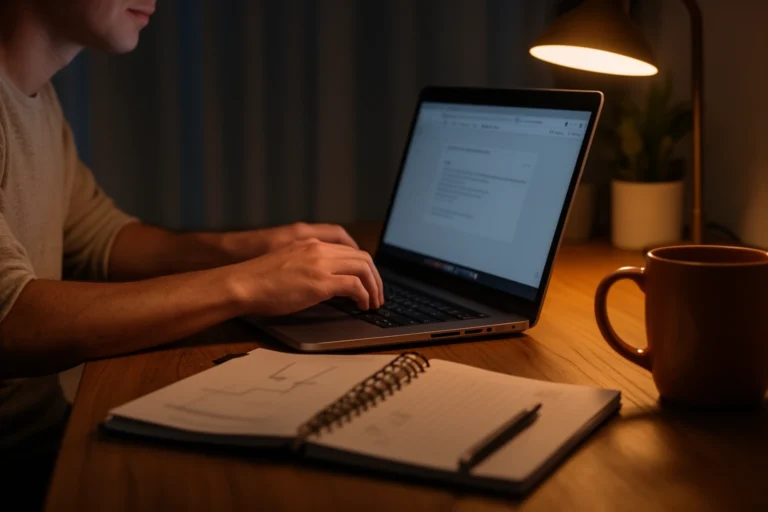
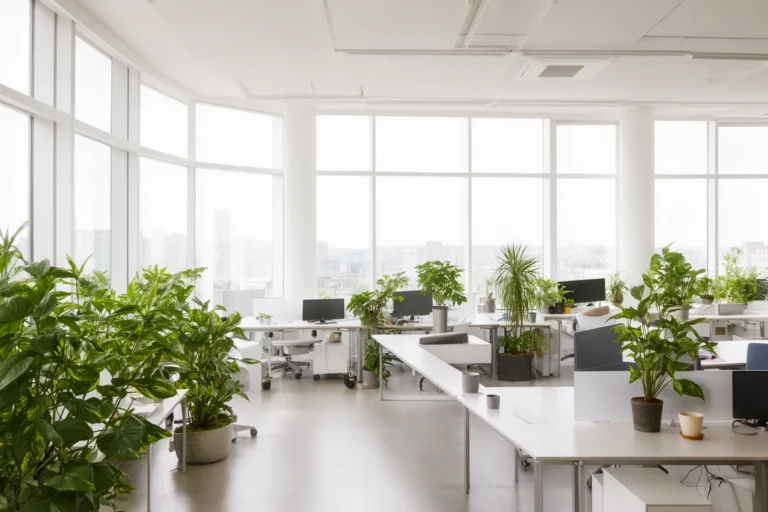
A workspace shapes focus, mood, and creative energy more than most people give it credit for. Making a workspace more inspiring comes down to a handful of proven elements: intentional color, natural light and plants, a decluttered surface, and objects that genuinely reflect personal meaning rather than generic office decor. None of this requires a full renovation or a big budget. Small, deliberate changes tend to have an outsized effect on how a space actually feels to sit down and work in.
The goal isn’t a Pinterest-perfect desk. It’s a space that makes starting work feel easier instead of like something to avoid.
Start With Decluttering, Not Decorating
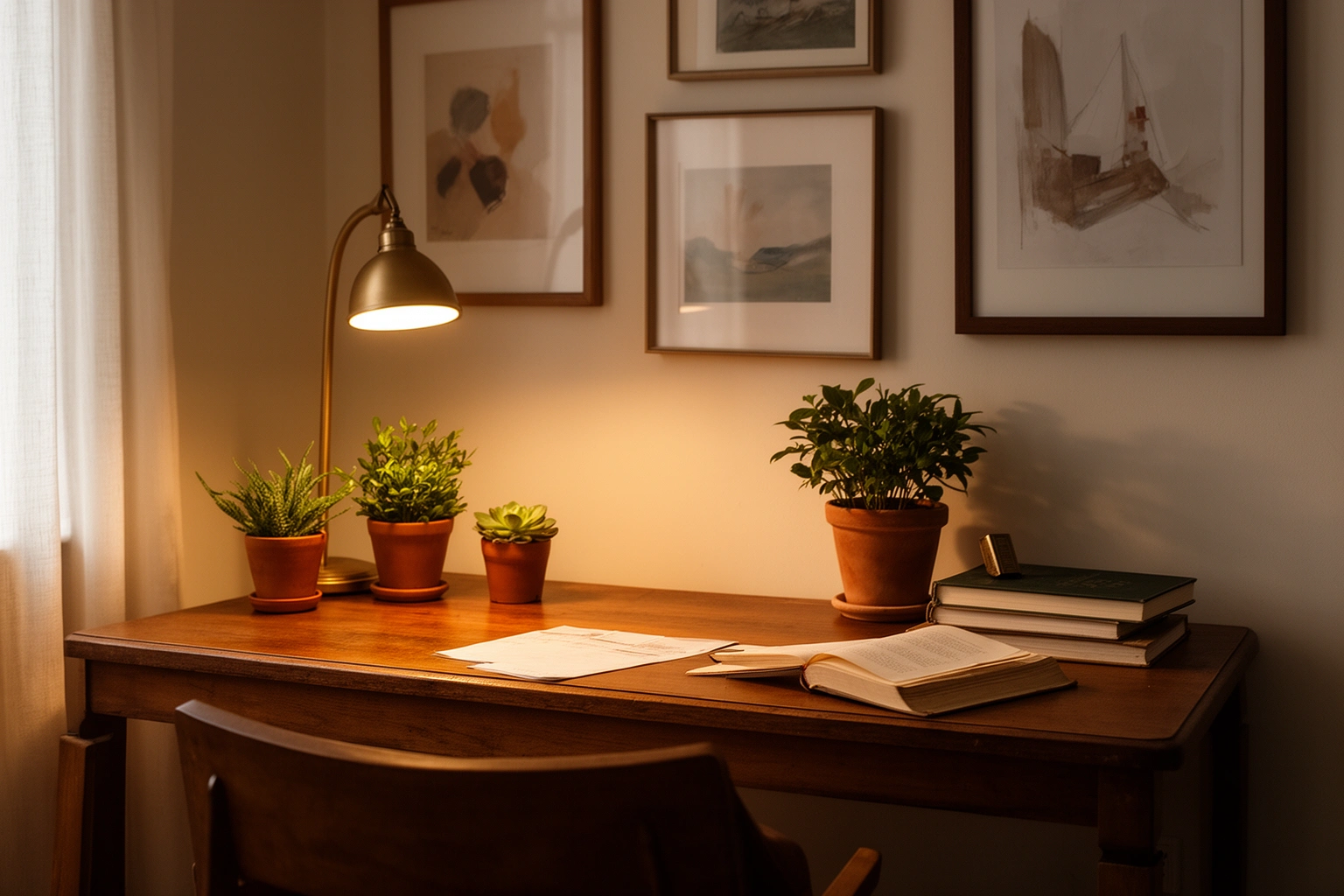
A cluttered desk makes it genuinely harder to think clearly, so clearing physical clutter is the single most effective first step before adding any decor.
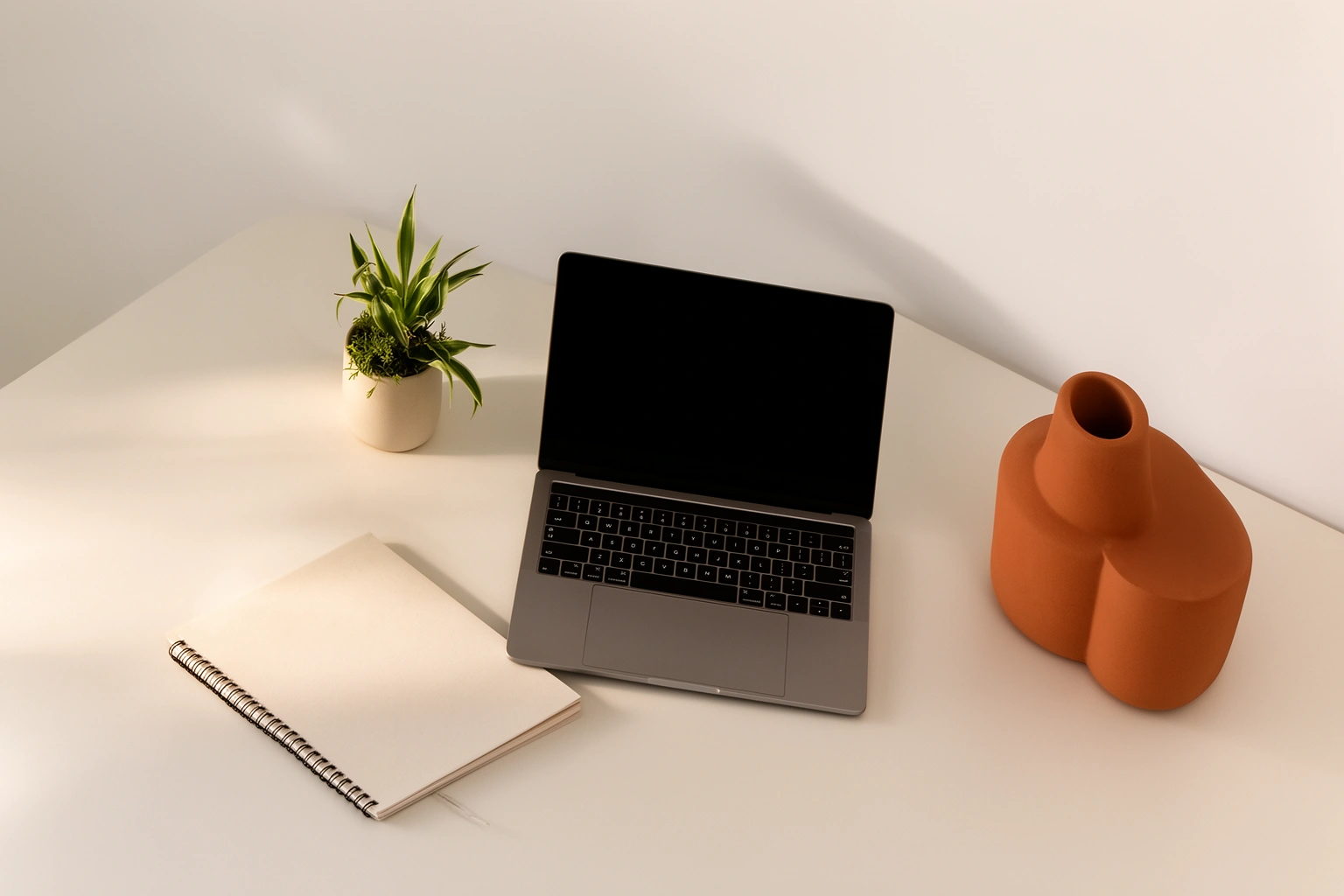
A clean surface sets the tone for sharper problem-solving and more focused work, while overwhelm from visual mess makes it harder to act on anything. Going through everything on and around the desk, and being honest about what’s actually needed daily versus what’s just sitting there, clears mental space along with physical space. Keeping frequently used items like pens, notebooks, and chargers within reach also reduces the small interruptions that come from constantly getting up mid-task.
Bring In Color Intentionally
Color has a measurable effect on mood and mental energy, and choosing colors that genuinely make you feel good, rather than following a design trend, has a bigger impact than picking “correct” office colors.
Warm tones like orange are often cited for sparking creative thinking, while cooler blues and greens tend to support calm focus. That said, the specific color matters less than whether it’s a color that actually lifts your mood when you see it. A stark white or neutral base works well as a blank canvas, letting a single colorful chair, a patterned rug, or a set of throw pillows do the work of adding personality without overwhelming the space.
Add Plants and Natural Elements
Plants measurably reduce stress and bring a sense of life into a workspace, and even a small collection or a single well-placed plant makes a noticeable difference.
A simple mason jar with a few wildflowers, a small potted succulent, or a cluster of low-maintenance plants along a windowsill all contribute to a calmer, more energized atmosphere. For spaces with limited natural light, quality faux plants still deliver much of the visual benefit, since the goal is bringing a sense of green and life into the room rather than requiring an actual green thumb.
Create a Focal Point That Actually Means Something
The wall directly above the desk, and the wall visible when first entering the space, function as the room’s focal point, so filling that spot with something generic wastes the most visually important real estate in the room.

A framed print that means something personally, a piece of art tied to a memory, or even a large corkboard filled with photos and inspiration clippings works better than a generic store-bought poster. Some people build vision boards with magazine clippings, color palettes, and brainstorming notes pinned to a linen or cork board directly over the desk, giving the eye something meaningful to land on throughout the day rather than a blank wall.
Use Objects With Real Personal Meaning
Surrounding a workspace with objects that carry genuine emotional or sensory significance, rather than generic office supplies, tends to have a stronger, more sustained effect on inspiration than purely aesthetic decor.
Photos of people or moments that matter, a small collection of books tied to a specific interest, or objects with sentimental history all serve as quiet reminders of why the work matters in the first place. Business leaders often describe filling their space with reminders of their “why,” whether that’s a photo that sparks joy or an object connected to a bigger purpose, rather than decor chosen purely because it looks good on camera.
Consider Lighting and Furniture Shape
Warm, adjustable lighting and softer, rounder furniture shapes both contribute to a more comfortable and creatively energizing space than harsh overhead light and strictly rectangular furniture.
A desk lamp with warmer light tends to feel more inviting for longer stretches of work than relying solely on overhead fluorescent lighting. Some research also points to round furniture shapes, a round side table or a curved chair, as producing more positive emotional responses than sharp, rigid edges. Neither change requires new furniture necessarily; a rounder desk accessory or a soft area rug can introduce that same effect on a smaller scale.
Engage the Other Senses
Scent and sound both influence mood at a workspace nearly as much as visual elements, and both are easy, low-cost additions to an existing setup.
A candle or light incense can shift the feel of a room the same way a good playlist can shift focus or energy. Music in particular has a strong influence on mood, whether the goal is concentration, motivation, or simply feeling a little happier while working through a task. Neither addition needs to be elaborate: a single reliable candle scent and a go-to playlist are enough to build a consistent sensory anchor for the space.
Quick Reference: Elements of an Inspiring Workspace
| Element | Effect | Easy Way to Start |
|---|---|---|
| Decluttering | Clearer thinking, less overwhelm | Clear the desk surface, keep only daily essentials |
| Color | Mood and energy shift | One colorful chair, rug, or accent piece |
| Plants | Lower stress, added life | A small potted plant on the desk |
| Focal point | Daily visual inspiration | A meaningful print or vision board over the desk |
| Lighting | Comfort over long sessions | A warm-toned adjustable desk lamp |
| Scent and sound | Consistent sensory anchor | One candle scent, one go-to playlist |
Stepping away from the workspace periodically, even briefly, supports the same focus and creative energy that a well-designed space is meant to encourage.
Putting It Together Without Overspending
An inspiring workspace doesn’t require a large budget; most of the highest-impact changes cost little to nothing and can be done gradually over time.
- Start with what you already own: repurposing furniture, art, or fabric from elsewhere in the home is a free way to add character.
- Add one meaningful item at a time: a single photo or object with real significance goes further than a dozen generic decorations.
- Prioritize the two focal walls: the wall above the desk and the wall seen first when entering the space matter most visually.
- Keep it changeable: swapping small elements like pillow covers or a candle scent by season keeps the space feeling fresh without a full redo.
A genuinely inspiring workspace also depends on the same underlying environment that any healthy workplace culture supports, one where people feel comfortable enough to actually settle in and do meaningful work. The same care that goes into building a workplace culture people genuinely want to be part of applies at the individual desk level too: the physical space works best when it reflects real intention rather than being an afterthought.
Frequently Asked Questions
What’s the easiest way to make my workspace more inspiring?
Decluttering the desk surface is the most effective first step, since a cluttered space makes it measurably harder to think clearly before any decor is added.
Does color really affect productivity in a workspace?
Warm tones like orange are often linked to creative thinking, while cooler blues and greens support calm focus, but the color that genuinely lifts your mood personally matters more than following a specific trend.
Do fake plants work as well as real ones for an inspiring workspace?
Yes, even faux plants provide much of the visual and psychological benefit of greenery, making them a good option for low-light spaces.
What is a workspace ‘focal point’ and why does it matter?
It’s the wall directly above the desk and the wall first seen when entering the room, since both get the most visual attention throughout the workday.
Can I make my workspace more inspiring without spending a lot of money?
No. Most of the highest-impact changes, decluttering, adding a plant, or repurposing items already owned, cost little to nothing.
What objects should I add to my workspace to make it more inspiring?
Photos, sentimental objects, and personal artwork tend to have a longer-lasting inspirational effect than generic store-bought decor, since they carry real emotional significance.
Does lighting affect how inspiring a workspace feels?
Warmer, adjustable lighting tends to feel more comfortable and inviting over long work sessions compared to harsh overhead fluorescent light.