Fun Hobbies to Try If You’re Bored of Your Routine

Boredom with a routine isn’t a personal failing, it’s usually a sign the brain is ready for something different. A study of more than 93,000 people across 16 countries found that having a hobby is linked to fewer depression symptoms, better overall health, and higher life satisfaction. These hobbies span creative, active, and low-key categories, all easy enough to try without a major investment of time or money.
Why a Boring Routine Signals It’s Time for Something New
Boredom often means the brain has adapted so completely to a routine that it’s no longer being challenged or stimulated in any new way, and introducing a hobby is one of the most direct fixes available. The research backs this up in a way that goes beyond just feeling good in the moment.
The large-scale international study found consistent links between having a hobby and measurable wellbeing improvements, including fewer depressive symptoms and greater overall life satisfaction. This wasn’t limited to one type of activity either, the benefit showed up across a wide range of hobby categories and cultures.
The goal of trying a new hobby isn’t to become good at it immediately, or even to stick with it forever. It’s about interrupting a stale pattern long enough to feel engaged again, the same way a child throws themselves fully into whatever captures their attention that day.
Hands-On Crafts for Immediate, Tangible Results
Pottery, knitting, and candle making all offer the satisfaction of creating something physical and useful, which tends to feel more rewarding than passive entertainment when a routine has started to feel flat. These hobbies engage the hands in a way that naturally quiets a busy or restless mind.
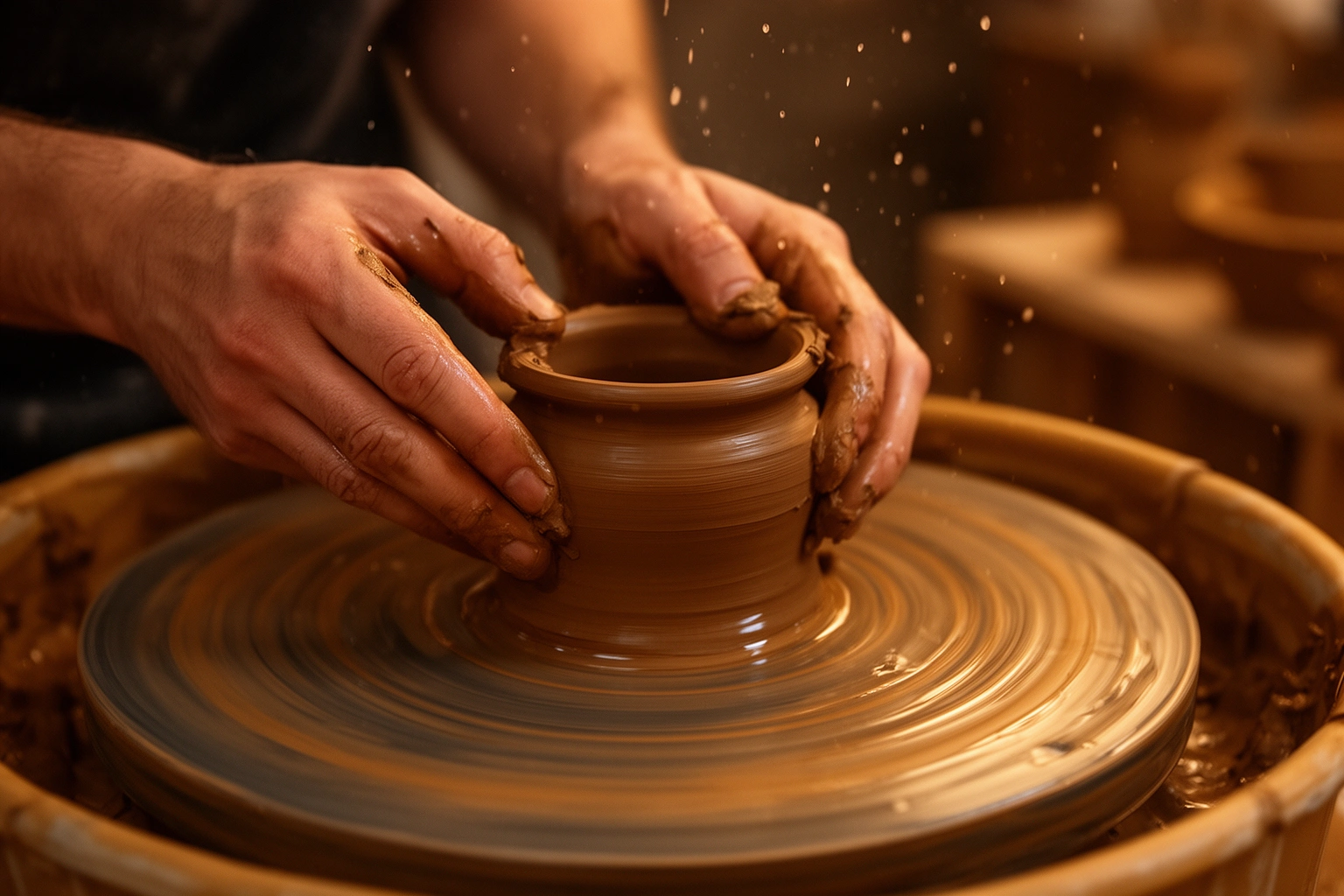
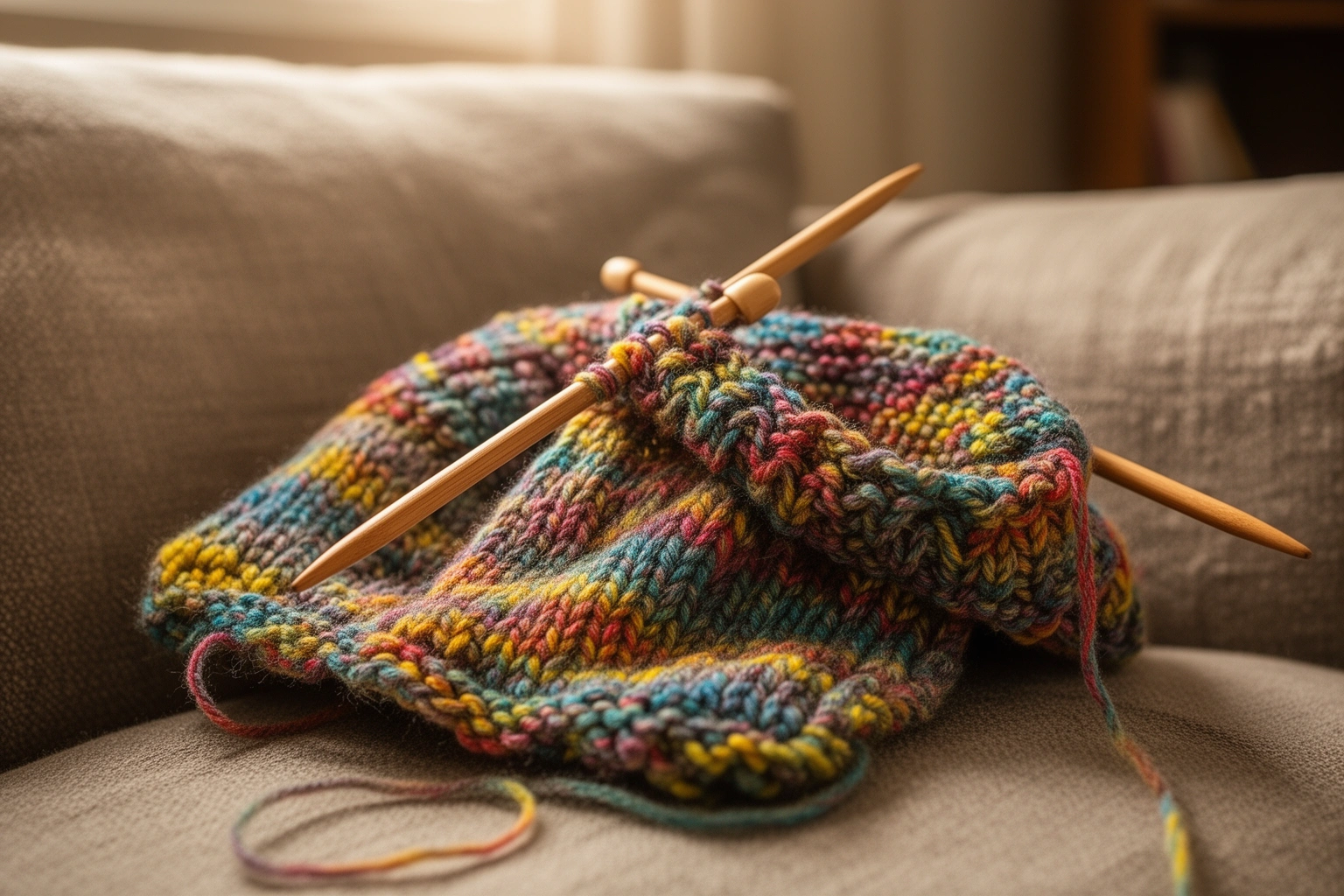
Shaping clay on a pottery wheel is genuinely therapeutic, and even a lopsided first mug carries a personal touch no machine-made item can replicate. Knitting turns a simple strand of yarn into something warm and useful, and the steady, repetitive motion of looping stitches has a calming, almost meditative quality after a stressful day.
Candle making costs a fraction of buying premium candles and allows full control over scent and color combinations. Melting wax and blending fragrances feels part craft project, part small experiment, and the finished product doubles as a thoughtful homemade gift.
Outdoor Hobbies That Cost Nothing to Start
Birdwatching, hiking, and geocaching all require little more than curiosity and a willingness to pay closer attention to surroundings that usually go unnoticed. These hobbies work especially well for anyone whose routine has become entirely indoor and screen-based.
Birdwatching sounds like an unlikely pick for anyone under 60, but once someone starts actually paying attention, most neighborhoods reveal an entire overlooked world of birds and behavior. Free apps that identify birdsong by sound have made this hobby dramatically more approachable for total beginners.

Geocaching turns an ordinary walk into an actual hunt, using nothing more than a smartphone’s GPS to track down caches hidden by other enthusiasts around the world. Hiking, even a familiar local trail explored at a different time of day, tends to feel completely different depending on light, season, and pace.
Skill-Building Hobbies With a Long Runway
Learning a language, an instrument, or a new craft skill like pottery or leatherworking offers a sense of visible progress over time that a repetitive daily routine simply can’t provide. These hobbies reward patience with a clear, trackable sense of improvement.
Language learning apps make daily practice sessions short and low-pressure, and even a few minutes a day compounds faster than most people expect. Picking up an instrument challenges both hands and ears simultaneously, and the first time a simple melody comes out smoothly tends to feel disproportionately rewarding compared to the modest effort involved.
Leatherworking and sewing both let a hobbyist produce genuinely useful items, wallets, bags, simple clothing repairs, that improve noticeably with each attempt. Unlike hobbies that exist purely for entertainment, these skills tend to save money and reduce waste as a side benefit.
Creative Outlets That Don’t Require Talent to Start
Digital art, journaling, and scrapbooking all lower the bar for entry since mistakes are easy to undo, cheap to redo, or simply part of the process rather than a failure. Perfectionism is the biggest barrier to trying most creative hobbies, and these formats sidestep it directly.
Digital art apps let a beginner experiment freely with brushes and textures without wasting physical materials on early attempts. Anyone easing into a calmer daily rhythm through something like why slow mornings are trending right now might find a sketching or journaling habit fits naturally into that same quiet, unhurried window before the day fully starts.
Scrapbooking turns old photos and mementos into a genuinely enjoyable, low-pressure project, and it doubles as a way to revisit and appreciate memories that might otherwise sit forgotten in a phone’s camera roll.
Social Hobbies for Breaking Out of Isolation
Board game nights, community theatre, and dance classes all combine a new skill with built-in social interaction, addressing two sources of routine boredom at once. A stale routine often comes with a quieter side effect: fewer new social connections.
Community theatre groups are consistently described as some of the most welcoming spaces for newcomers, whether the interest is performing, working backstage, or simply attending shows regularly. Dance styles like salsa offer both a physical workout and a genuinely social atmosphere, often welcoming complete beginners without judgment.
A recurring board game night with friends costs next to nothing if games are already owned or bought secondhand, and it creates a reliable, low-effort excuse to see people regularly instead of letting weeks pass without connection.
Matching a Hobby to Available Time and Energy
Different hobbies demand different levels of time, cost, and energy, so matching the choice to actual current capacity avoids the common trap of over-committing and quitting within weeks. Not every hobby fits every season of life.
| Hobby | Time Commitment | Approx. Startup Cost |
|---|---|---|
| Birdwatching | Low, flexible | Free |
| Journaling | Low, 5-10 min/day | Free |
| Knitting | Medium | $10-$30 |
| Learning an instrument | Medium to high | Varies widely |
| Pottery | Medium, class-based | $30-$80 per class |
| Community theatre | High, scheduled | Free to low |
That’s the scope of the research linking hobby participation to fewer depression symptoms, better health, and higher overall life satisfaction across cultures.
Giving a New Hobby Permission to Be Bad at First
Trying a hobby imperfectly and without pressure to be immediately skilled is the entire point, since the value lies in engagement and novelty, not in producing an impressive result right away. Most people quit a new hobby not because they dislike it, but because they expected instant competence.
Picking something purely because it sounds fun in the moment, rather than because it seems productive or impressive, tends to produce more lasting enjoyment. Readers looking for more inspiration on breaking up a stale routine can find additional ideas on AestheticPFPs, where everyday lifestyle refreshes get the same thoughtful treatment as bigger changes.
Frequently Asked Questions
Is there actual research showing hobbies improve wellbeing?
A large study of over 93,000 people across 16 countries found hobbies were linked to fewer depression symptoms, better overall health, and higher life satisfaction.
What are some free hobbies to try if money is tight?
Birdwatching, journaling, hiking, and geocaching are all genuinely free ways to start a new hobby, requiring little more than a smartphone or a pair of binoculars.
What’s a good hobby for someone with very little free time?
Knitting, journaling, and digital art all require minimal upfront investment and can be done in short sessions, making them easy to fit into a busy schedule.
Which hobbies are best for meeting new people?
Community theatre and recurring board game nights both combine skill-building or entertainment with built-in social interaction, making them ideal for combating routine-driven isolation.
Do I need to be good at a hobby for it to be worthwhile?
No, the value of a new hobby comes from the engagement and novelty it introduces, not from immediate skill, so being a beginner is expected and part of the process.
How do I choose the right hobby for my current lifestyle?
Matching a hobby’s time and cost demands to actual current capacity, rather than over-committing, prevents the common pattern of quitting a new hobby within the first few weeks.