What Your Dream Home Style Says About You

Nobody chooses a dream home through pure logic. Long before square footage or price enters the conversation, something about a certain style just feels right, and that reaction is emotional, not practical. Home style psychology suggests these instant reactions reflect genuine personality traits, values, and even the current stage of life someone is in.
Why a Dream Home Reaction Happens Before Logic Kicks In
The brain responds to spaces that match self-image or aspirational lifestyle before conscious reasoning about price or practicality ever enters the picture. That instant, gut-level pull toward a certain style is the entire basis of home style psychology.
Two people can walk through the exact same house and come away with completely different emotional reactions, one feeling instantly at home, the other feeling oddly unsettled. Those reactions trace back to past experiences, daily habits, and long-term goals rather than anything about the house itself.
Preferences also shift with life stage. A minimalist apartment might feel perfect during a career-focused twenties, while a warmer, more grounded home style often starts to feel right later on, as priorities shift toward family or stability. Neither preference is wrong, they simply reflect different chapters of the same life.
Minimalist and Modern: Clarity and Control
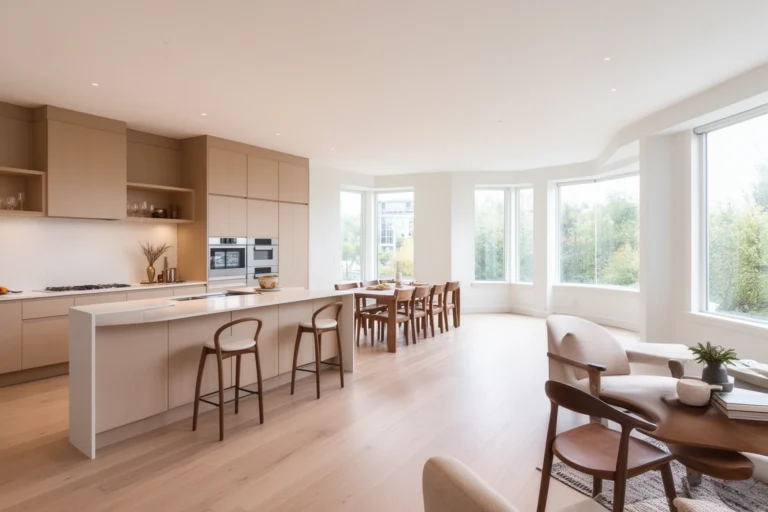
People drawn to minimalist lofts with clean lines, open layouts, and neutral colors typically value order, efficiency, and a clutter-free environment that supports focus over emotional nostalgia. The appeal isn’t about coldness, it’s about intentionality.
This preference usually signals someone who is pragmatic, organized, and forward-thinking, someone who strives to declutter not just their physical space but their broader life as well. Quality over quantity tends to matter more than sheer accumulation for this personality type.
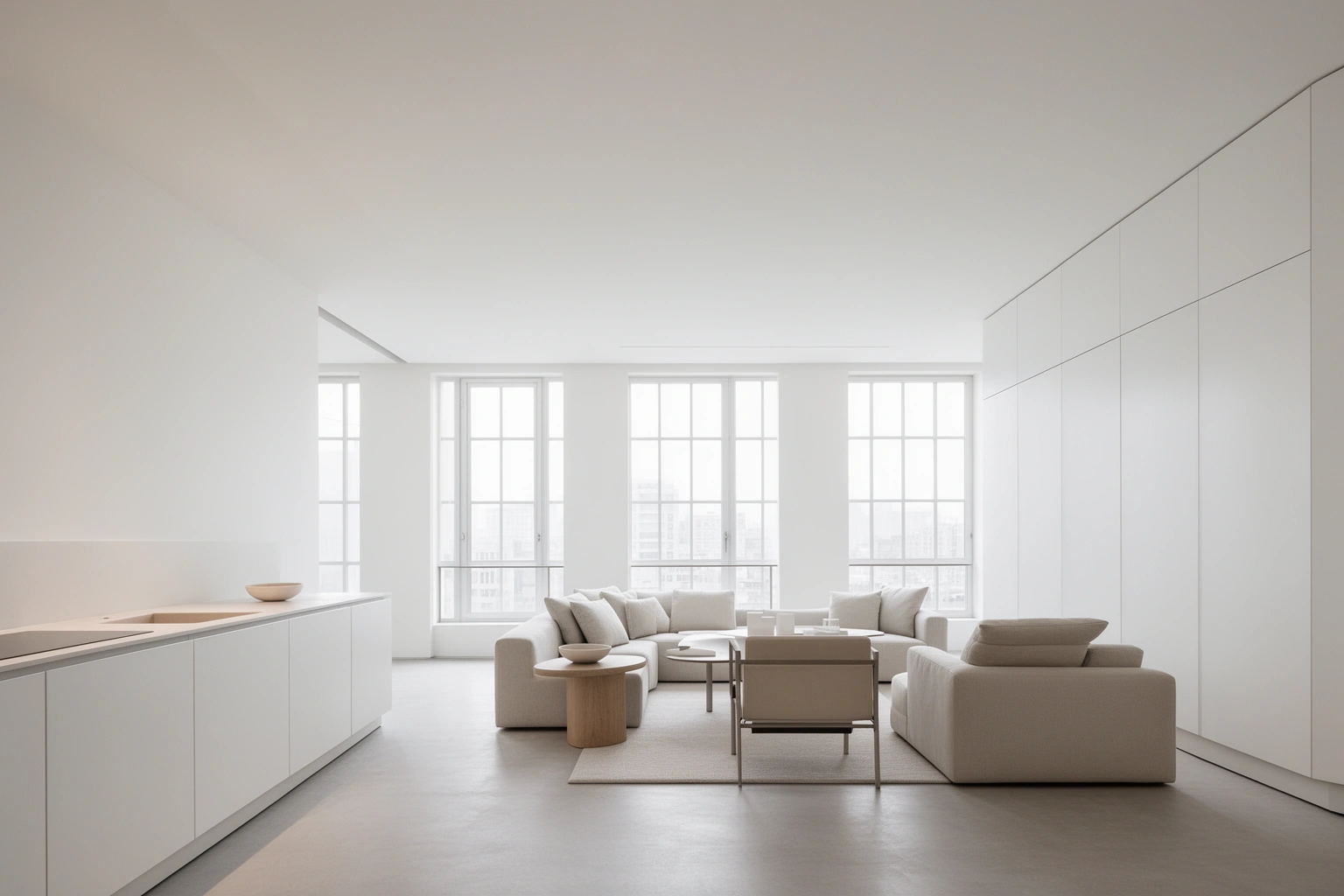
A well-organized layout with clear pathways and functional furniture placement often points to someone who values predictability and calm. This appreciation for streamlined design pairs naturally with the broader shift covered in why open floor plans became so popular, since both reflect a preference for uncluttered, efficient living over compartmentalized formality.
Cottage and Cozy Farmhouse: Warmth and Grounded Connection
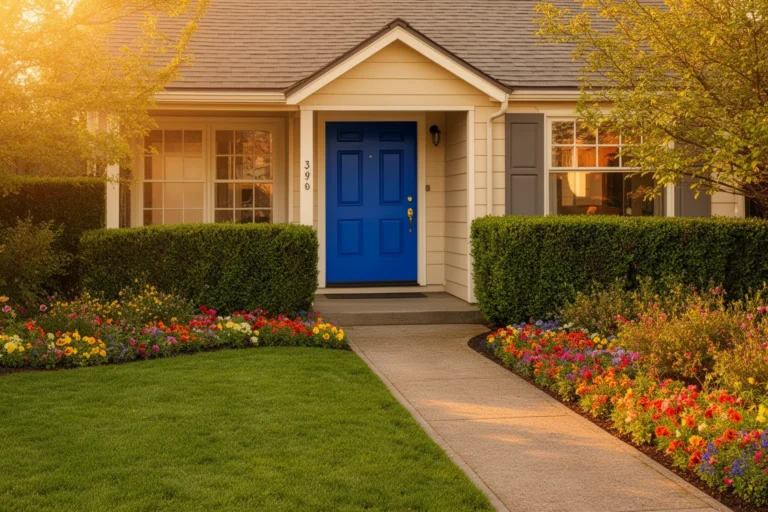
A quaint cottage surrounded by greenery, or a rustic farmhouse with wide porches and a big kitchen, typically appeals to warm, nurturing people who value tradition, family, and a strong sense of community. These styles reward comfort over trend-chasing.
People drawn to this style often find joy in simple pleasures: home-cooked meals, gardening, tending to small daily rituals. They’re generally described as down-to-earth, dependable, and deeply rooted in stable personal values rather than constantly reinventing themselves.
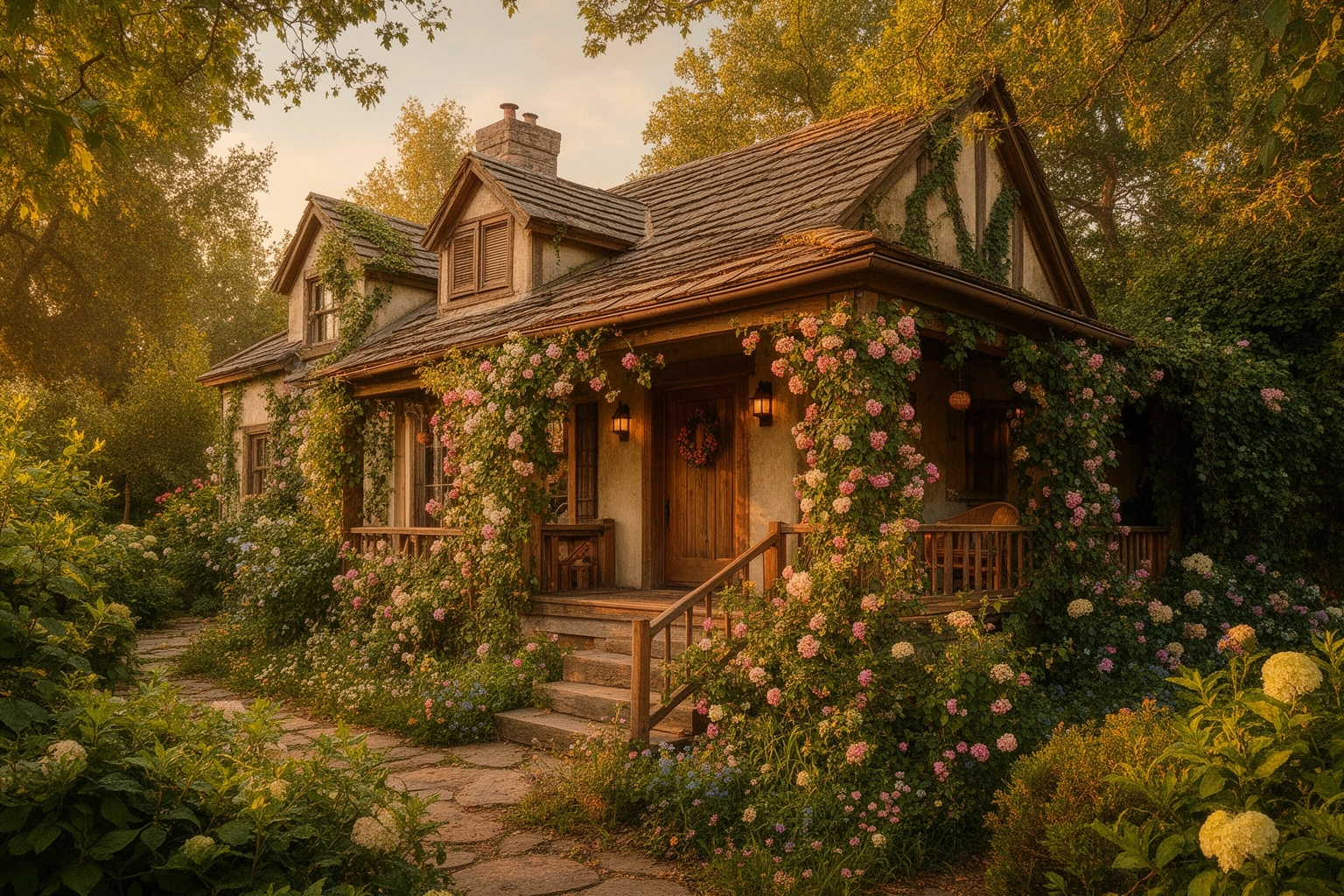
Warm, earthy color palettes, terracotta, mustard, forest green, frequently show up in homes belonging to this personality type, reinforcing a connection to comfort, stability, and nature that feels welcoming rather than showy.
Eclectic and Bohemian: Curiosity and Creative Risk-Taking
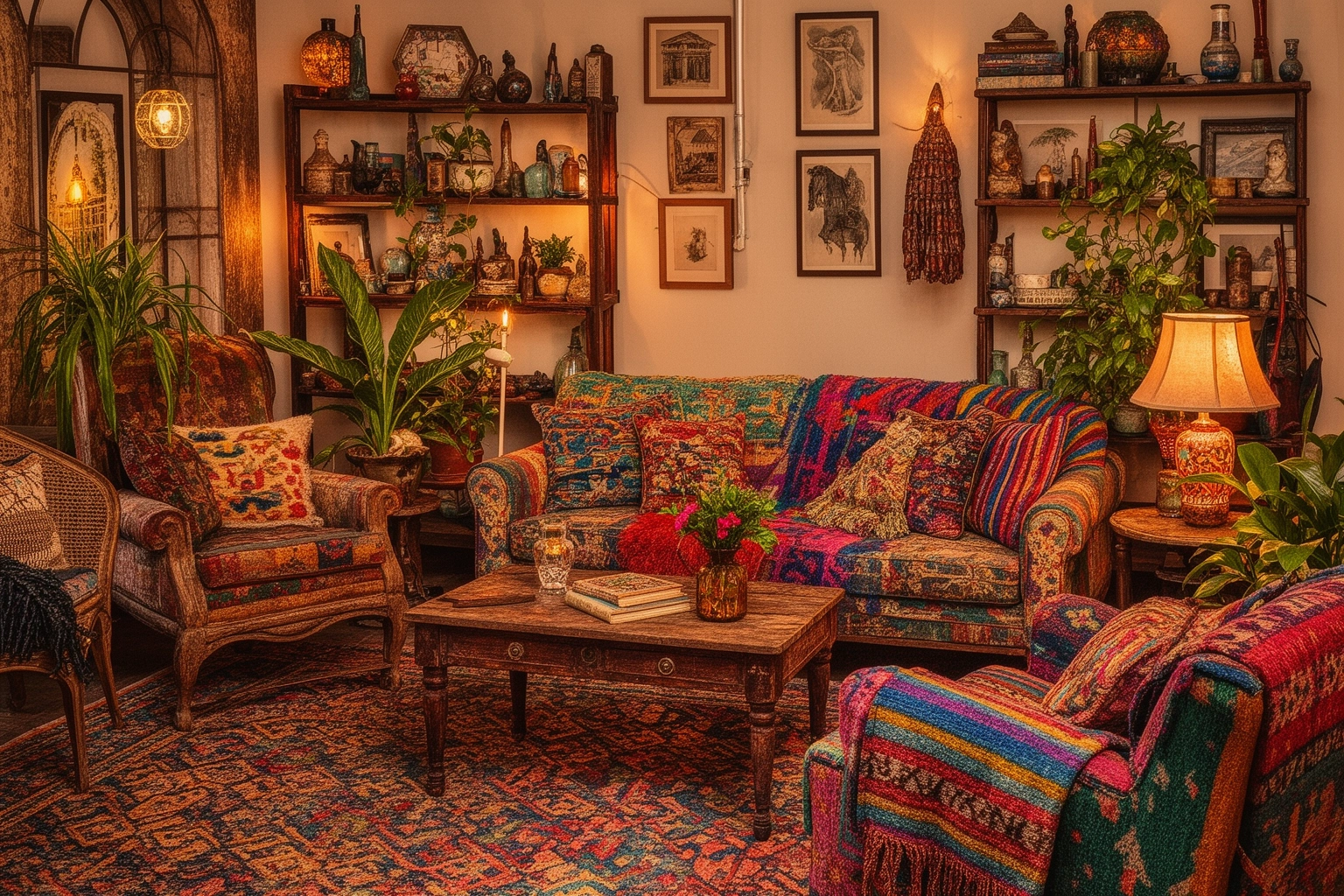
Mixing different styles, eras, and cultural influences within one space typically reflects a personality that embraces diversity, spontaneity, and creative self-expression over rigid, matched design systems. This style rewards individuality above conformity.
People drawn to eclectic spaces tend to be open-minded, adventurous, and unafraid to take design risks that a more cautious personality would avoid entirely. Mismatched furniture and unexpected combinations aren’t signs of indecision here, they’re a deliberate embrace of imperfection and personal history.
Displaying travel souvenirs, art collections, or sentimental mementos throughout the home is especially common with this personality type, reflecting someone who values connection, memory, and lived experience over polished uniformity.
Luxury Mansion or High-Rise Penthouse: Ambition and Achievement
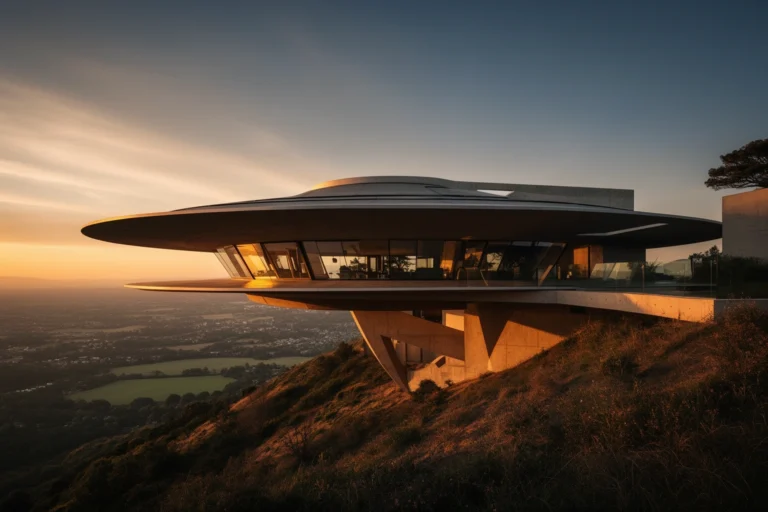
Dreaming of a sprawling mansion or a sleek high-rise penthouse with skyline views usually reflects strong ambition and leadership tendencies, rather than pure vanity or excess. Home style psychology tends to frame luxury dreams as milestone markers, not shallow status symbols.
For many, a luxury dream home symbolizes hard work paying off rather than a desire to show off wealth for its own sake. People drawn to this style are frequently confident, outgoing, and comfortable making a statement, with a genuine appetite for the energy and pace of ambitious environments.
The penthouse variant specifically tends to attract people who thrive on social stimulation and city energy, someone with an appetite for constant activity and a low tolerance for a slow, quiet pace of life.
Beach House and Mountain Retreat: Balance and Emotional Freedom
A beach house suggests a laid-back, emotionally attuned personality that values freedom and calm, while a remote mountain lodge suggests someone independent, curious, and drawn to solitude over constant social stimulation. Both styles reflect a strong desire to escape rigid daily structure, just in opposite directions of pace.
Beach house dreamers tend to be optimistic, creative, and skilled at living in the present moment rather than constantly planning ahead. Mountain retreat dreamers, by contrast, often crave genuine solitude, someone who finds a passing car uncomfortably close to civilization rather than reassuring.
Smart Homes and Tech-Forward Design: Innovation-Driven Thinking
A dream home filled with cutting-edge technology and automation typically appeals to analytical, curious people who value efficiency, progress, and staying ahead of what’s next. This preference reflects a forward-looking mindset more than a love of gadgets for their own sake.
People drawn to smart home design tend to be tech-savvy and genuinely excited by innovations that make daily life more convenient. They’re often early adopters in other areas of life too, not just home design, reflecting a broader comfort with change and new systems.
What Different Dream Home Styles Reveal at a Glance
Comparing home styles side by side makes the underlying personality patterns easier to spot, even though most people find themselves drawn to a blend of more than one category. Few people fit neatly into just one box.
| Home Style | Core Personality Trait |
|---|---|
| Minimalist loft | Order, efficiency, focus |
| Cottage or farmhouse | Warmth, tradition, community |
| Eclectic or bohemian | Creativity, spontaneity, individuality |
| Luxury mansion or penthouse | Ambition, confidence, leadership |
| Beach house | Optimism, emotional freedom, ease |
| Mountain retreat | Independence, curiosity, solitude |
| Smart home or high-tech design | Innovation, analytical thinking |
Home style psychology consistently finds that emotional comfort drives dream home preferences well before price or practicality ever factors into the decision.
Your Dream Home Can Change as You Do
Home style preferences naturally shift alongside career growth, family changes, and evolving priorities, meaning today’s dream home might look entirely different from the one imagined a decade earlier. This isn’t inconsistency, it’s a normal reflection of personal growth.
Rather than treating a dream home as a fixed, permanent identity marker, it’s more accurate to see it as a snapshot of current values and emotional needs. Readers who enjoy this kind of reflective, personality-driven exploration of everyday choices can find more thoughtful content on AestheticPFPs, where lifestyle preferences get the same curious treatment as bigger life questions.
Frequently Asked Questions
What does a minimalist home style say about your personality?
People drawn to minimalist, modern lofts with clean lines and neutral colors typically value order, efficiency, and a clutter-free environment that supports clarity and focus.
What personality traits go with a cottage or farmhouse dream home?
A cottage or farmhouse style typically reflects a warm, nurturing personality that values tradition, family, community, and simple everyday pleasures over trend-driven design.
Does wanting a luxury home mean someone is materialistic?
Yes, home style psychology suggests luxury dream homes often represent personal achievement and hard work paying off rather than a desire to show off wealth for its own sake.
What does an eclectic or bohemian home style reveal about someone?
People drawn to eclectic or bohemian spaces typically value creativity, spontaneity, and individuality, often mixing styles and displaying sentimental or well-traveled items throughout their home.
Can your dream home style change as you get older?
Yes, home style preferences naturally shift with career growth, family changes, and evolving priorities, so a dream home from one decade may look entirely different from another.
What’s the personality difference between beach house and mountain home dreamers?
Beach house dreamers tend to be optimistic, emotionally attuned, and skilled at living in the present, while mountain retreat dreamers tend to value independence and genuine solitude.