Fun History Behind Tiny Houses and Why They’re Trending

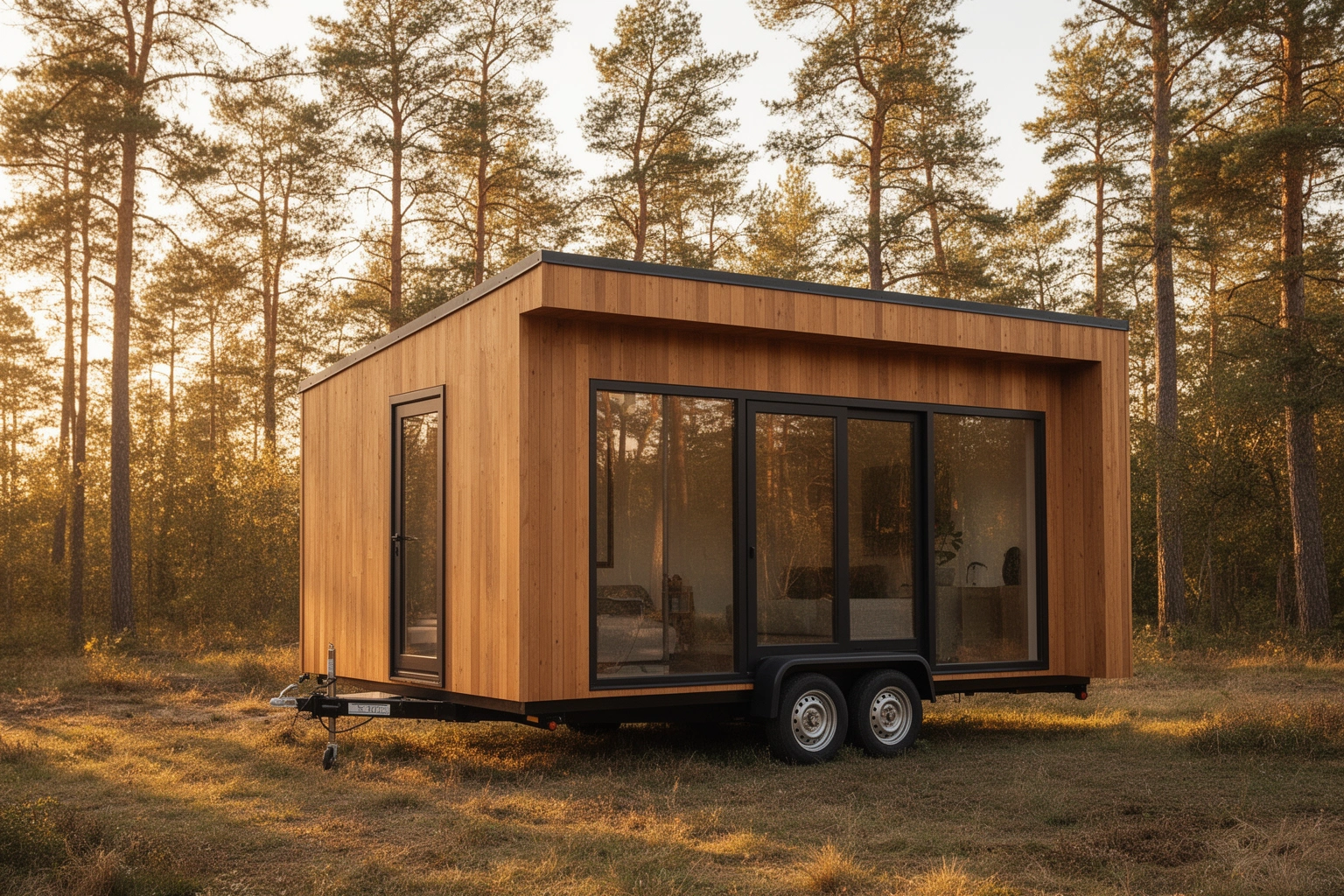
Tiny houses feel like a distinctly modern trend, fueled by minimalist Instagram accounts and reality TV marathons. But the actual roots of small, intentional living stretch back over a century, long before anyone coined the phrase “tiny house movement.” Here’s the surprising history behind small living and the real reasons it keeps resurging today.
The Tiny House Concept Is Over 100 Years Old
Sociologist and reformer Caroline Bartlett Crane designed and promoted what would now be recognized as a tiny home back in the 1920s, decades before the modern movement had a name. Her work reframes tiny living as a century-old housing reform idea, not a recent lifestyle trend.
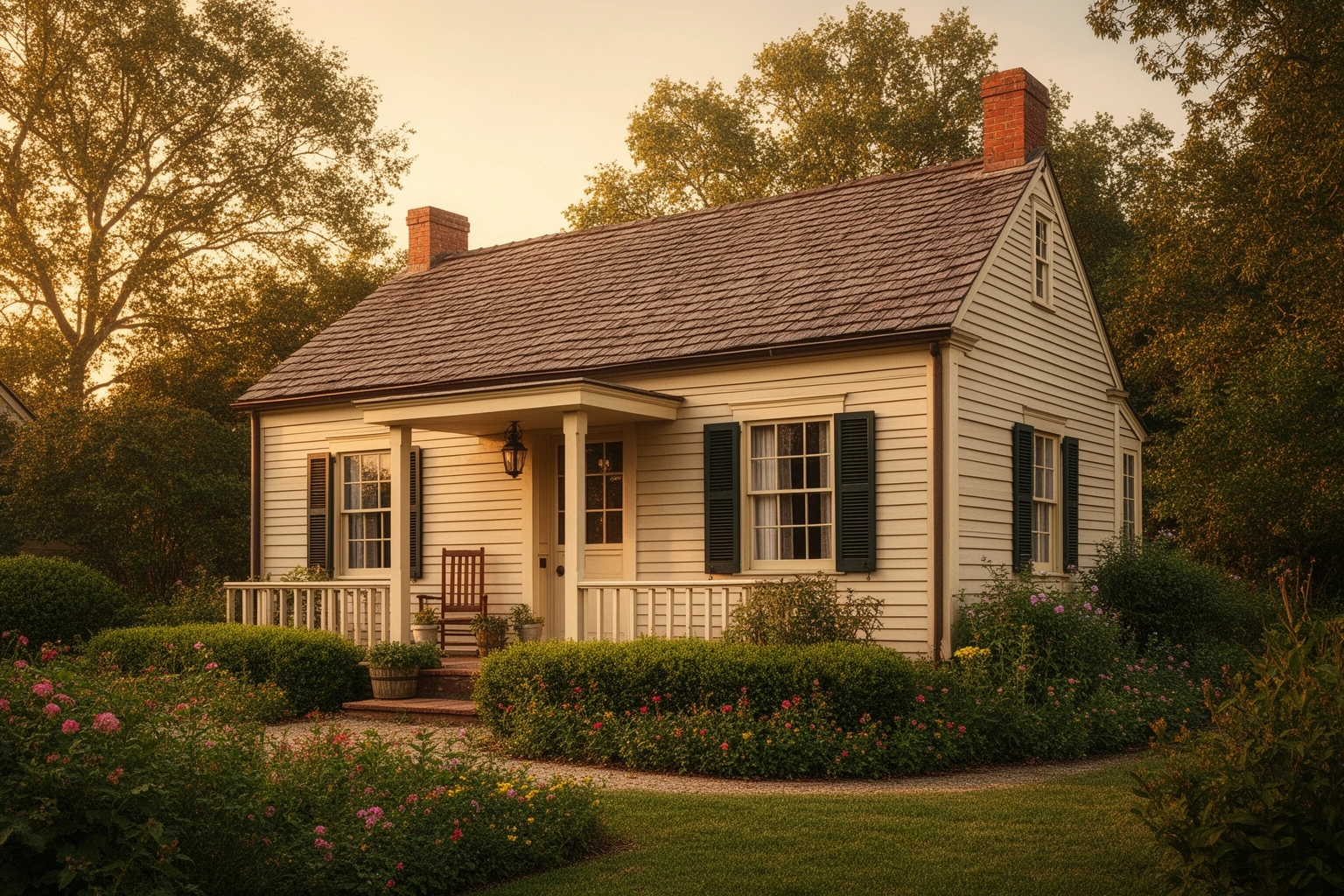
Crane, known nationally as “America’s housekeeper” after consulting on municipal housing reform for more than sixty American cities, designed a compact 638-square-foot house called Everyman’s House in 1924. She described it as a “space-saving, step-saving, time-saving, money-saving small house,” built specifically to address housing shortages and the difficulty many families faced financing a new home.
Everyman’s House won first prize at the 1924 Better Homes in America competition, a program overseen by Herbert Hoover, and drew roughly 20,000 visitors during its public tour. Despite its small footprint, clever design choices like a full basement and a second floor tucked under generous dormers nearly doubled the usable living space beyond what the compact exterior suggested.
The 1970s Planted the Modern Seeds
Artists and architects in the 1970s, including Allan Wexler, began exploring compact living spaces as a countercultural response to the era’s “bigger is better” mindset, though the idea struggled to gain mainstream traction at the time. The timing simply wasn’t right yet.
Post-industrial revolution America was still deeply invested in growth and expansion, so ideas about intentionally shrinking one’s living space remained a fringe interest throughout the decade. Books advocating for simplified dwellings and “living with less” were published during this period, but widespread cultural adoption was still decades away.
Jay Shafer Turned a Niche Idea Into a Movement
Jay Shafer built a 90-square-foot house on wheels beginning in 1997, completed “The Small House Book” in 1999, and founded the Tumbleweed Tiny House Company, earning him the nickname “the Godfather of Tiny Houses.” His work is widely credited as the true starting point of the modern tiny house movement.
Shafer’s designs proved that a genuinely tiny home didn’t require sacrificing comfort or visual appeal, and his book became a surprisingly popular publication that introduced the concept to a much wider audience. Around the same time, Sarah Susanka’s 1998 book “The Not So Big House” reinforced the same underlying philosophy: living well with less square footage, even if her focus wasn’t exclusively on truly tiny homes.
Dee Williams added another influential voice to the movement, building her own tiny house in 2004 after a life-changing trip and later founding Portland Alternative Dwellings to teach workshops on tiny living. Her advocacy work brought significant media attention to a concept that was still mostly unfamiliar to the general public at the time.
The 2008 Financial Crisis Accelerated Everything
The mortgage crisis that swept the country in 2008 arrived at almost the exact moment tiny house advocacy was gaining momentum, and the timing proved to be a major turning point for the movement’s growth. Financial anxiety made small, debt-free living genuinely appealing rather than just aesthetically interesting.
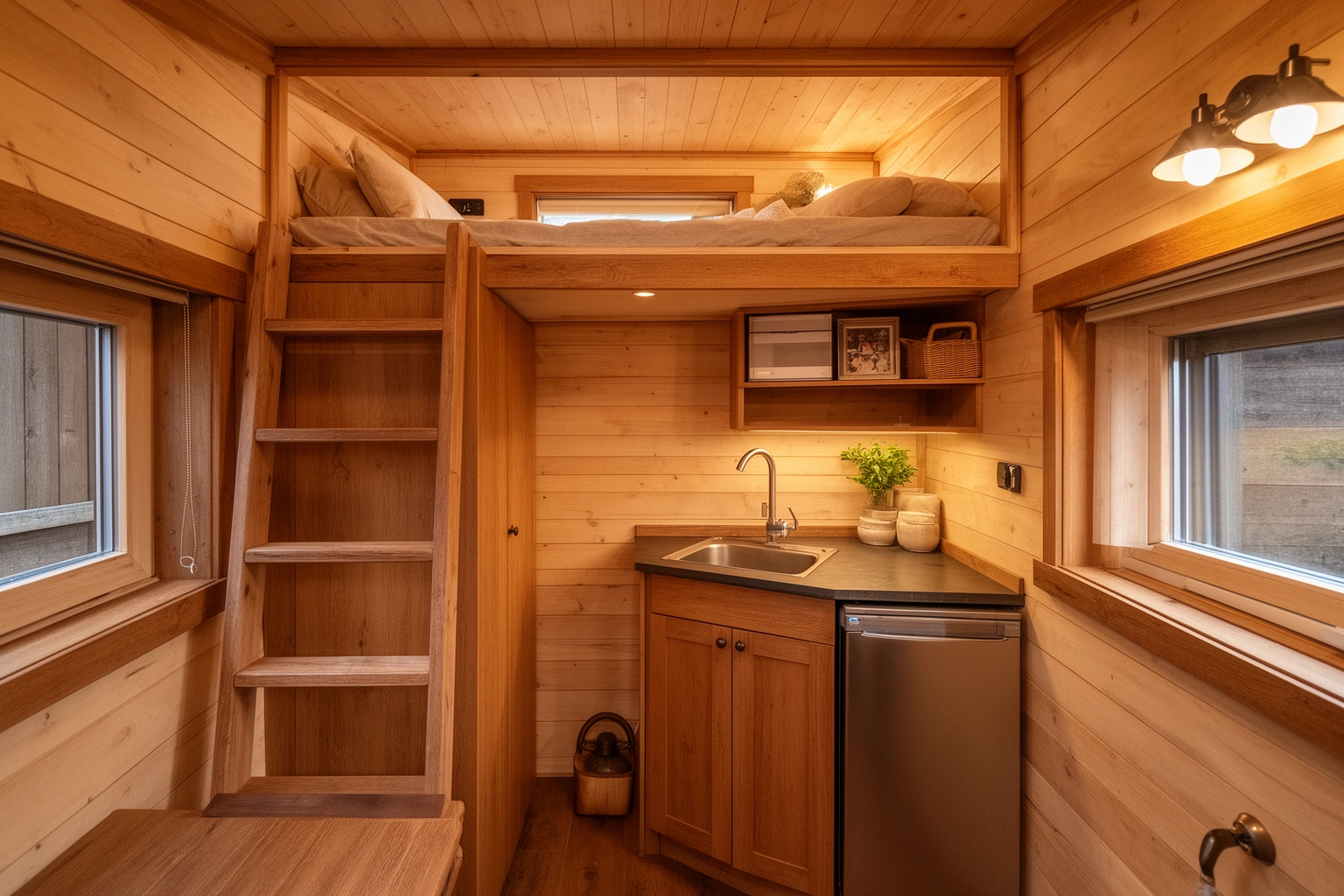
For people facing foreclosure or struggling under mortgage debt, tiny houses offered a new, achievable version of homeownership that didn’t require decades of payments. Television shows like Tiny House Hunters and Tiny House Nation capitalized on this shift, bringing the concept into mainstream living rooms and inspiring an entire wave of small-scale building companies across the country.
These shows didn’t just document the trend, they actively expanded it, showcasing the creativity and diversity of tiny living to audiences who had never previously considered downsizing as a realistic option.
Why the Trend Keeps Resurging Today
Rising housing costs, environmental concerns, and a broader cultural shift toward minimalism are the three consistent drivers behind why tiny houses remain popular well over two decades after the modern movement began. Each factor reinforces the others.
Housing affordability is arguably the strongest current driver. With many Americans spending up to half their income on housing, a tiny house offers a genuine escape from that financial pressure, sometimes costing a fraction of a traditional home’s price. Environmental impact plays a role too, with research showing a tiny house produces roughly 2,000 pounds of carbon emissions annually compared to about 28,000 pounds for an average-sized home.
The appeal also connects to a broader desire for intentional, values-driven living, a theme that shows up across many current lifestyle shifts, including the kind of self-reflection covered in what your dream home style says about you, since choosing to go tiny is itself a strong personality and values statement.
Not Everyone Agrees the Trend Is Purely Positive
Some housing researchers and critics argue the tiny house movement has become over-hyped, driven partly by social media appeal rather than practical need, and note that tiny homes can sometimes cost more per square foot than conventional housing. The trend isn’t without genuine skepticism.
Data on tiny homes as a solution to homelessness has produced mixed results, with some cities finding them a useful transitional option while others report the approach only offers temporary relief without addressing underlying housing shortages. Zoning laws also remain a significant obstacle in many areas, with numerous cities still enforcing minimum square footage requirements that tiny houses fall well below.
There’s also a documented pattern of tiny house advocates eventually upsizing after living small for a period, suggesting the lifestyle suits certain life stages better than serving as a permanent, universal solution.
Tiny House Movement Timeline
Tracing the key moments shows just how long the underlying idea has existed, even though most people assume it emerged only in the last fifteen years. The modern movement stands on a surprisingly deep foundation.
| Year | Milestone |
|---|---|
| 1924 | Caroline Bartlett Crane’s Everyman’s House wins Better Homes in America |
| 1970s | Artists explore compact living as a countercultural idea |
| 1997-1999 | Jay Shafer builds his 90-sq-ft house and publishes “The Small House Book” |
| 2008 | Mortgage crisis accelerates interest in debt-free tiny living |
| 2010s-2020s | TV shows and social media drive mainstream popularity |
That’s the estimated annual carbon emissions gap between a tiny house and an average-sized home, one of the most cited environmental arguments for going small.
A Trend That Keeps Reinventing Itself
From a 1920s housing reform project to a 21st century social media phenomenon, the tiny house concept keeps resurfacing whenever affordability, sustainability, or simplicity become urgent cultural priorities. The specific packaging changes, but the underlying appeal has stayed remarkably consistent for a century.
Readers curious about more of the surprising history behind everyday design trends can find additional reading on AestheticPFPs, where architecture and lifestyle topics get the same well-researched treatment as this deep dive into tiny living.
Frequently Asked Questions
Are tiny houses really a hundred years old?
Sociologist Caroline Bartlett Crane designed a 638-square-foot home called Everyman’s House in 1924, which won a national housing competition decades before the modern tiny house movement began.
Who is considered the founder of the modern tiny house movement?
Jay Shafer, who built a 90-square-foot house in 1997 and later founded Tumbleweed Tiny House Company, is widely credited as the founder of the modern tiny house movement.
Why did tiny houses become popular after 2008?
The 2008 mortgage crisis coincided with growing tiny house advocacy, and financial hardship made debt-free small living genuinely appealing to a much broader audience.
Are tiny houses actually more environmentally friendly?
A tiny house produces roughly 2,000 pounds of carbon emissions annually, compared to about 28,000 pounds for an average-sized home.
Is there criticism of the tiny house movement?
Yes, some researchers argue the movement has become over-hyped for social media appeal, and tiny homes can sometimes cost more per square foot than conventional housing.
What legal challenges do tiny houses face today?
Zoning laws and minimum square footage requirements remain significant obstacles in many cities, though some municipalities have begun adjusting regulations to allow tiny homes.