How AI Is Changing the Way We Take Photos

Great smartphone photos used to require heavy equipment, technical knowledge, and hours in an editing program. Now a phone quietly acts like a built-in photography assistant, recognizing scenes, correcting lighting, and suggesting edits before a photo is even fully processed. Here’s how artificial intelligence has fundamentally reshaped the way everyday photos get taken.
The Camera Now “Thinks” Before the Shutter Clicks
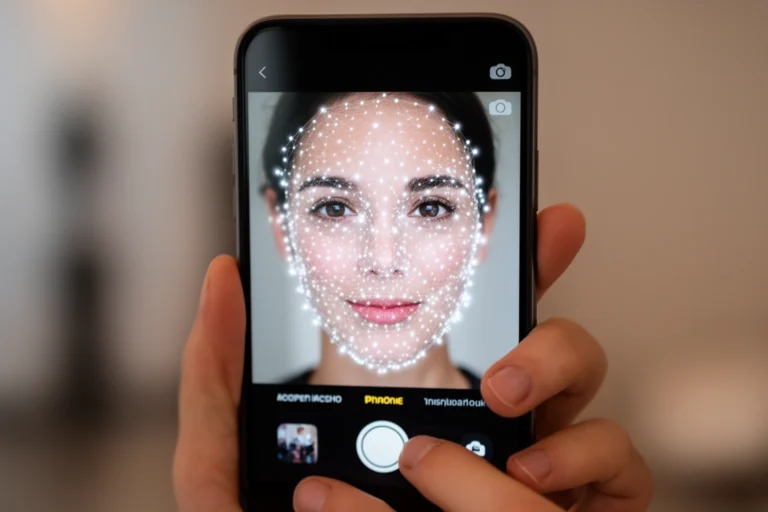
Modern smartphones use AI scene detection to instantly recognize what’s being photographed, whether it’s a sunset, a plate of food, or a pet mid-motion, and automatically adjust exposure, focus, and color balance to match. This happens before a photo is even captured, not just afterward during editing.
Scene detection has moved well past older preset modes that simply labeled a shot as “portrait” or “landscape.” Current systems can distinguish between a night cityscape, a backlit face, a reflective surface, and a close-up subject, then apply targeted adjustments to contrast, saturation, white balance, and local sharpening based on those subtle differences.
This shift means the phone effectively handles the technical decision-making a professional photographer would normally make manually, letting the person holding the camera focus on composition and timing instead of settings.
Night Photography Went From Grainy to Genuinely Usable
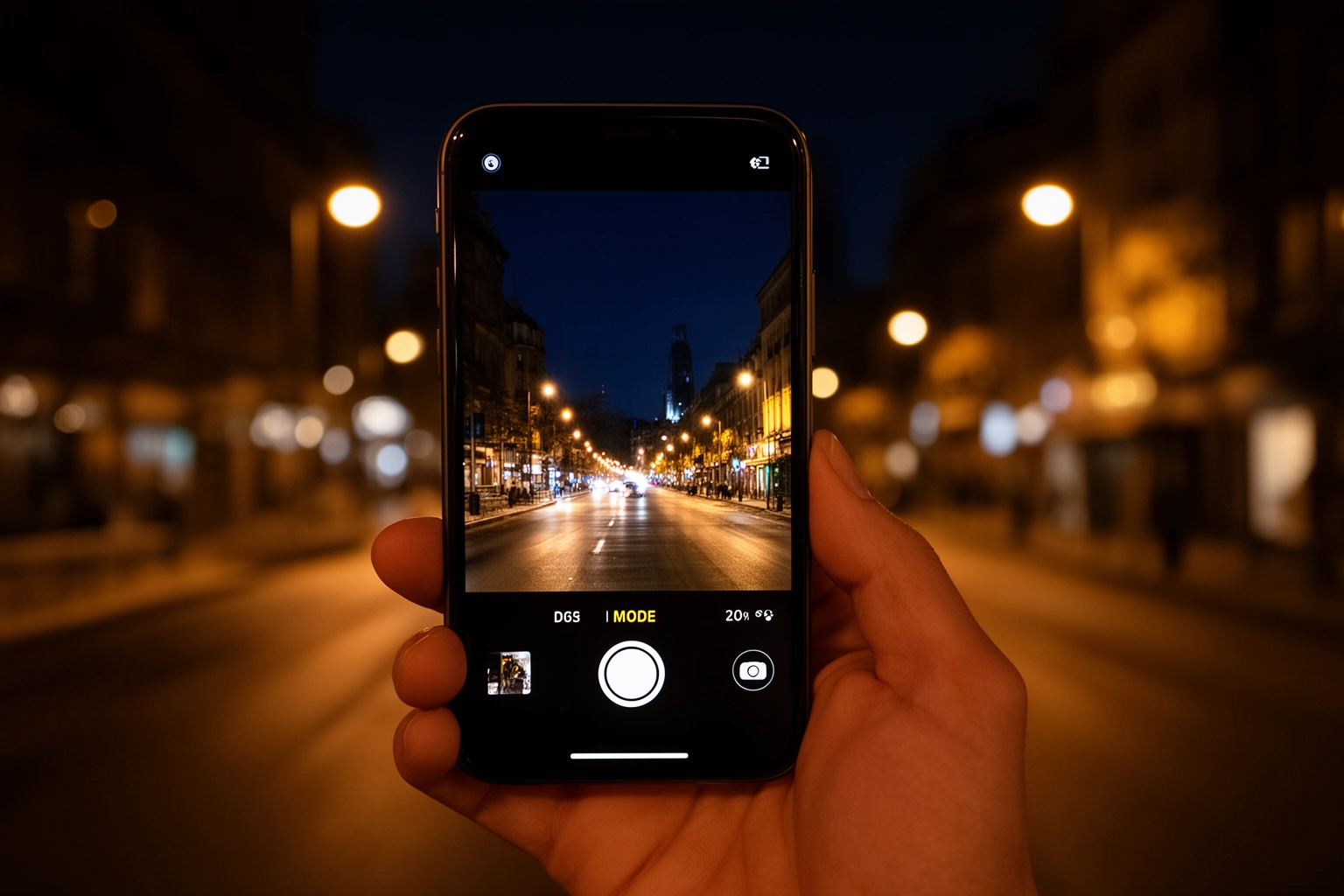
AI night modes capture multiple exposures of the same low-light scene in rapid succession and combine the best details from each frame, pixel by pixel, producing bright, detailed images that would have required a tripod and professional equipment just a few years ago. This is one of the clearest, most dramatic improvements AI has brought to phone cameras.
Small smartphone sensors have always struggled in low light, a hardware limitation that software can now meaningfully work around. AI helps by intelligently distinguishing between grain and actual texture, preserving genuine details like building edges, fabric patterns, and facial features while eliminating the muddy, noisy look that used to define nighttime phone photos.
One computational photography researcher at UC Berkeley noted that professional photographers have told him modern phone photos sometimes outperform shots from expensive DSLR cameras, a genuinely striking claim given how recently phone cameras were considered a poor substitute for dedicated equipment.
Portrait Mode Recreates an Effect That Used to Require Expensive Lenses
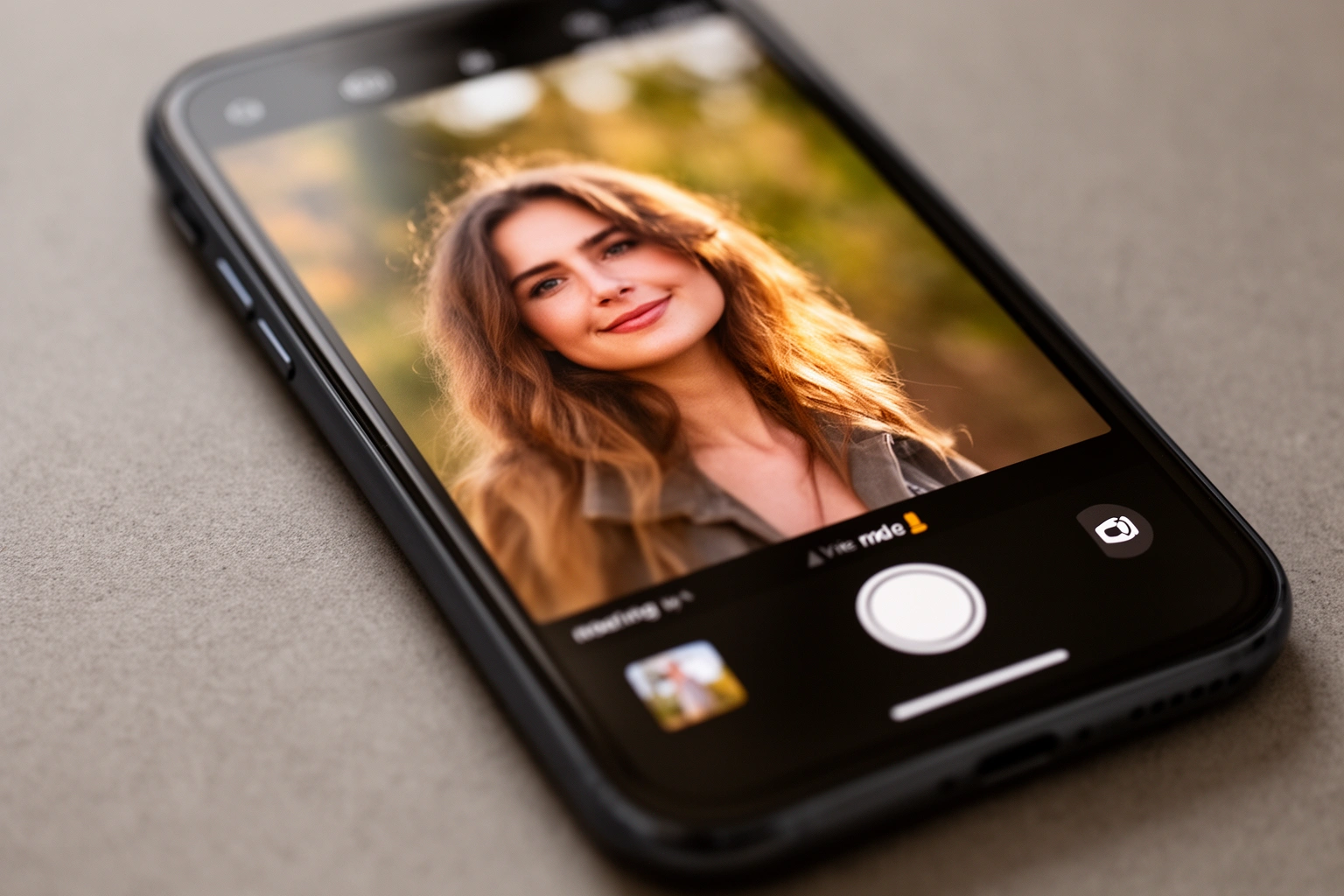
AI-powered portrait mode uses depth mapping to separate a subject from its background, creating a professional-looking blur effect, commonly called bokeh, that previously required specialized camera lenses to achieve optically. This effect is now available on nearly every modern smartphone with a single tap.
The system analyzes depth data to identify where the subject ends and the background begins, then applies blur selectively rather than uniformly. More refined implementations also preserve facial tones carefully and avoid over-smoothing skin, addressing a common complaint from users who want a flattering result that still looks realistic.
Editing Has Moved From a Skill to a Single Tap
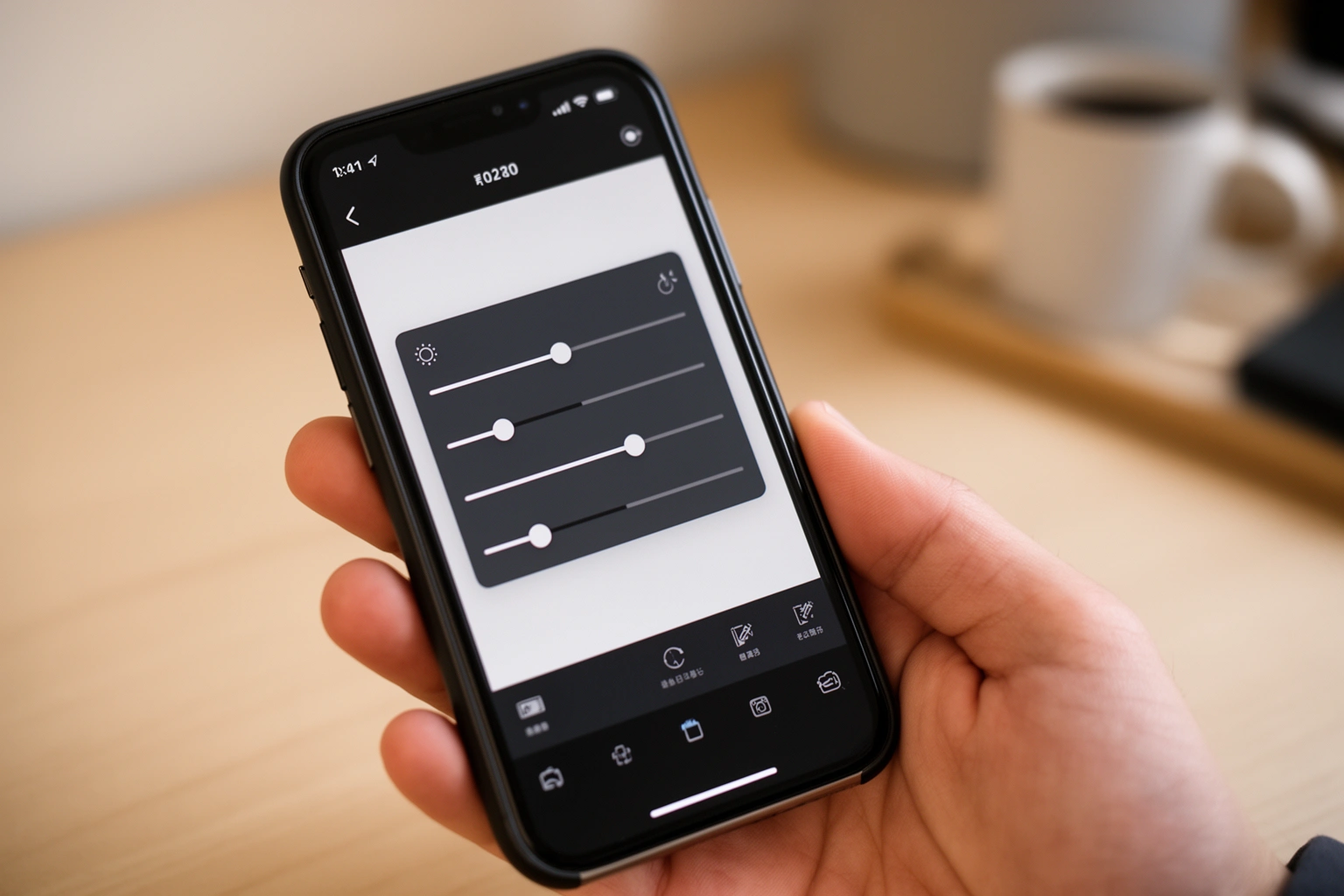
AI-powered editing tools, both built into camera apps and available through separate apps like Snapseed and Lightroom Mobile, can now handle color enhancement, cropping suggestions, and object removal that used to require dedicated software and real editing skill. Complex photo manipulation has become genuinely accessible to casual users.
Features like Google Photos’ Magic Eraser can remove an unwanted person or object from the background of a photo with just a few taps, generating plausible content to fill the resulting gap. These tools also increasingly learn a specific user’s editing preferences over time, making future one-tap enhancements feel more consistent with an individual’s personal style.
This kind of automated intelligence mirrors how other everyday technology quietly manages complexity behind a simple interface, a pattern also seen in why your phone battery drains faster in cold weather, since both cases involve sophisticated engineering working invisibly to solve a problem the average user never has to think about directly.
Zoom and Video Have Both Been Transformed
Generative AI now helps extend smartphone zoom capabilities well beyond what the physical lens hardware alone could capture, while AI stabilization removes handheld shake from video footage in real time. Both photo and video capture have benefited from largely the same underlying technology.
Some phone brands use generative AI to fill in artificial detail at extreme zoom ranges, a technique particularly useful for travel, sports, wildlife, and concert photography where physically moving closer to a subject often isn’t an option. On the video side, AI-driven stabilization analyzes footage frame by frame to counteract shake, delivering gimbal-like smoothness from a device most people are simply holding in one hand.
Auto-tracking and continuous focus adjustments also keep a moving subject sharp and centered throughout a video, effectively automating what used to require a dedicated camera operator manually adjusting focus during action shots.
Accessibility Has Genuinely Improved Alongside Quality
AI camera features have made photography meaningfully more accessible, with auto-focus assisting users with shaky hands, scene detection supporting complete beginners, and voice-guided cameras helping visually impaired users capture images independently. This shift extends well beyond simply making photos look better.
Photography, once considered a skill requiring years of practice and expensive equipment to do well, has become something nearly anyone can participate in successfully. This democratizing effect is arguably one of AI’s more understated but genuinely significant contributions to photography as a whole.
The Authenticity Question Remains Unresolved
As AI-driven enhancement and generative reconstruction become more advanced, questions about photographic authenticity have grown alongside the technology, since some AI processing can generate plausible details that weren’t actually present in the original scene. This tension is a genuine, ongoing debate rather than a settled issue.
Industry experts generally agree that the most refined AI imaging systems are the ones that preserve realism and respect the actual scene, rather than the ones applying the most aggressive processing. That distinction, between enhancement that improves accuracy and enhancement that fabricates detail, is likely to remain a central conversation as generative AI capabilities continue to expand within phone cameras.
Key AI Photography Features at a Glance
Several distinct AI capabilities work together across the photography process, from the moment a scene is framed through final editing. Each addresses a different stage of taking and refining a photo.
| Feature | What AI Does |
|---|---|
| Scene detection | Auto-adjusts exposure, focus, and color before capture |
| Night mode | Combines multiple exposures, reduces noise |
| Portrait mode | Maps depth to create realistic background blur |
| One-tap editing | Handles color, cropping, and object removal automatically |
| Video stabilization | Removes shake and keeps moving subjects in focus |
Some professional photographers now report that modern AI-powered phone photos can rival, or even outperform, images from traditional professional-grade cameras in certain conditions.
What This Means for Everyday Photography
AI hasn’t replaced photographic creativity, it has removed much of the technical barrier that used to stand between an idea and a finished, polished photo. The person behind the camera still decides what to capture and why, even as software handles more of the execution.
Readers curious about more of the everyday technology quietly shaping daily life can find additional explainers on AestheticPFPs, where tech topics get the same clear, well-researched treatment as this look at AI photography.
Frequently Asked Questions
How does AI improve photos before you even take the shot?
AI scene detection automatically recognizes what’s being photographed and adjusts exposure, focus, and color balance in real time before the photo is even captured.
Why do phone photos look so much better in low light now?
AI night mode captures multiple exposures of the same scene and combines the best details from each pixel by pixel, reducing noise and preserving detail far better than older low-light methods.
How does AI create the background blur in portrait mode?
AI uses depth mapping to identify a subject and separate it from the background, then applies a realistic blur effect to the background while keeping the subject sharp.
Can AI really replace professional photo editing skills?
AI-powered editing apps use scene recognition and one-tap enhancement tools to handle color correction, cropping, and object removal without requiring users to understand traditional editing software.
Is there a downside to AI-enhanced photos?
AI can generate plausible detail during zoom or restoration that wasn’t actually present in the original scene, raising ongoing questions about how much processing is appropriate before a photo stops reflecting reality.
Has AI made photography more accessible to more people?
AI features like enhanced auto-focus, scene detection, and voice-guided cameras have made photography more accessible to users with shaky hands, beginners, and visually impaired users.