Fun History Behind the First Emoji Ever Created

The emoji sitting in a modern phone keyboard traces back to a tiny 12×12 pixel grid designed in Japan in 1999, and the impulse behind it stretches back even further, possibly all the way to an 1862 newspaper transcript. What started as a practical solution to a cramped mobile screen became a genuine global visual language. Here’s the surprisingly deep history behind the very first emoji.
The Original 176 Emoji Fit Inside a 12×12 Pixel Grid
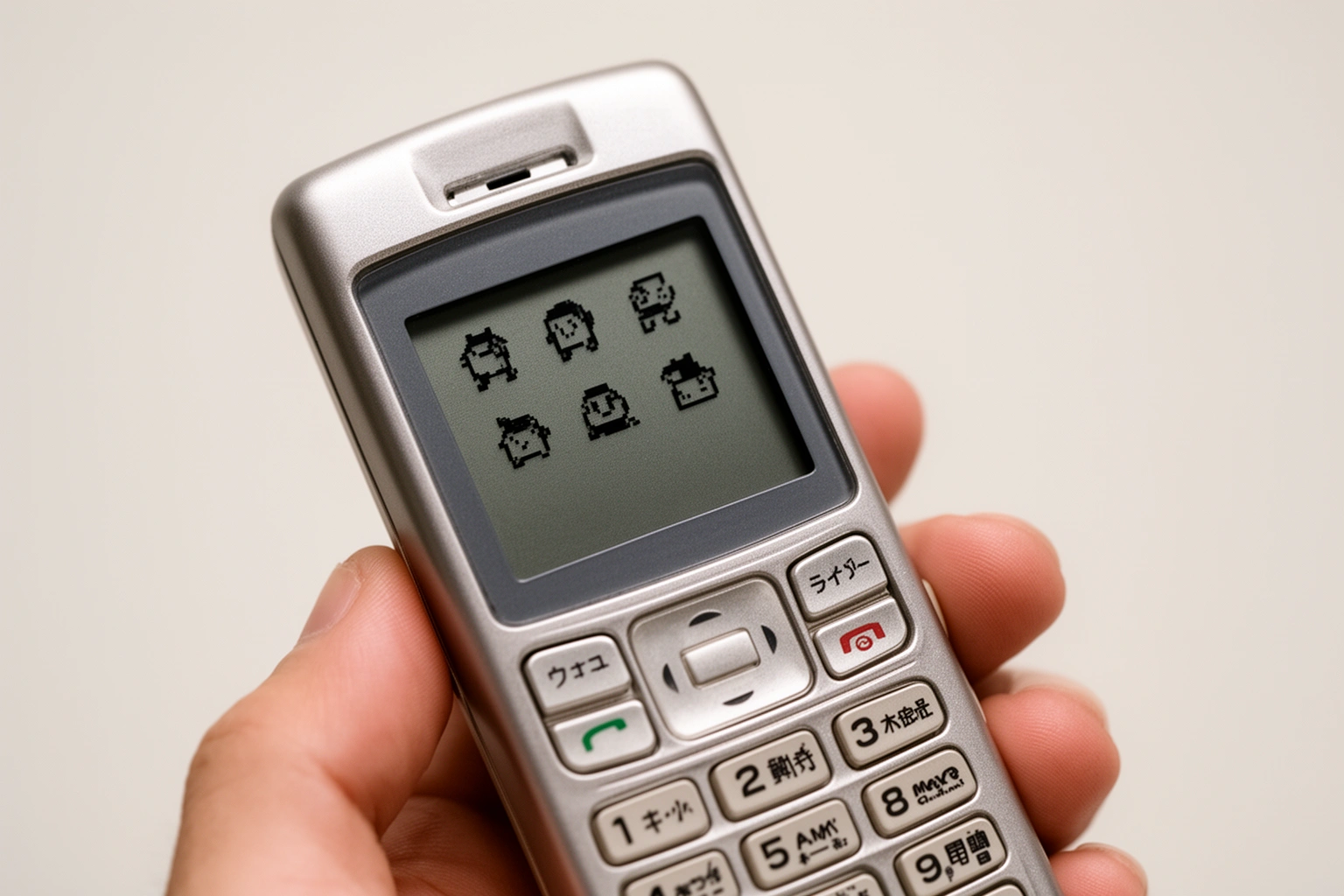
Japanese designer Shigetaka Kurita created the first true emoji set in 1999 while working on NTT DOCOMO’s i-mode mobile internet platform, designing 176 individual pictograms on a tiny 12×12 pixel grid. The technical constraint of that era’s mobile screens directly shaped what emoji could visually become.
Mobile screens in the late 1990s were low-resolution, often black and white, with phones designed for little more than making calls. Kurita’s set had to communicate complex ideas and emotions using an almost impossibly small canvas, twelve pixels by twelve pixels, forcing every design down to its most essential, recognizable shape.
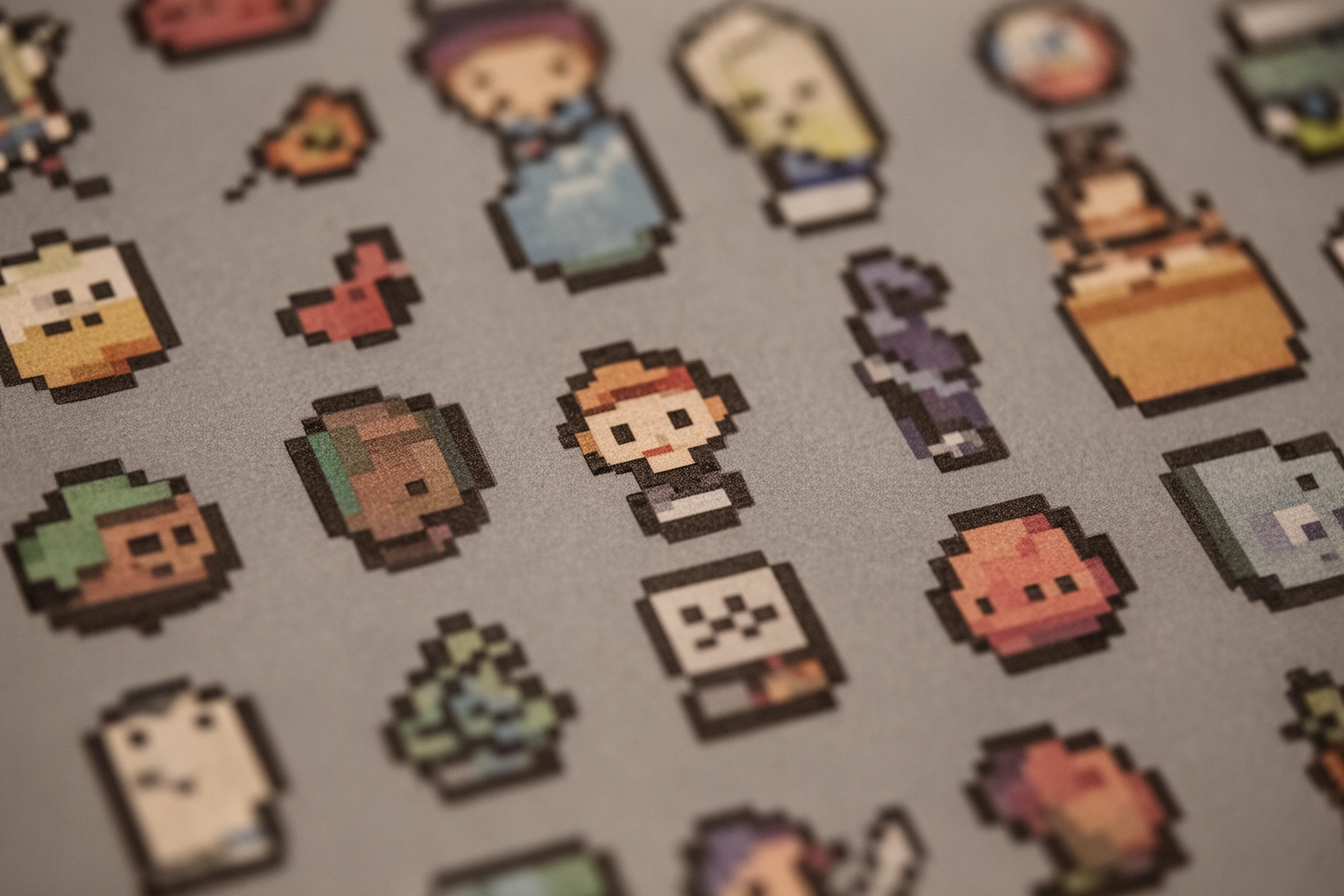
The very first set included icons like a sad face, a key, a bomb, and an enigmatic yellow cat, alongside symbols covering weather, transportation, sports, and technology. These 176 tiny drawings are now considered significant enough that the Museum of Modern Art in New York acquired them for its permanent collection in 2016.
Kurita Borrowed From Manga, Weather Icons, and Street Signs
Kurita drew design inspiration from Japanese manga symbolic conventions called manpu, along with existing weather pictograms, Chinese characters, and street signage, rather than inventing an entirely new visual vocabulary from scratch. Emoji were, from the very beginning, a remix of existing visual languages.
Manga commonly uses manpu, small symbolic marks like a water drop appearing on a character’s face to represent nervousness or embarrassment, a convention Kurita adapted directly into his icon set. He also reused pre-existing forms outright, including repurposing the cigarette shape found on “No Smoking” signage for one of his icons.
Text-based emoticons that had been circulating since the 1980s, like the sideways smiley face, also informed his designs, meaning the original emoji set functioned as a bridge between typographic tradition and a genuinely new pictorial format.
The Word “Emoji” Has Nothing to Do With “Emotion”
Despite the common assumption, “emoji” doesn’t derive from the English word “emotion,” it comes from the Japanese words for “picture” (e) and “character” (moji). The linguistic overlap with “emotion” in English is a coincidence, not the actual origin.
This distinction matters because it reflects what emoji were originally meant to be: a broader pictorial language for communicating ideas and objects, not solely a tool for expressing feelings. Many of the original 176 symbols represented weather conditions, modes of transportation, and everyday objects rather than facial expressions alone.
Emoticons Predate Emoji by Over a Century
Long before Kurita’s 1999 pixel grid, typographic attempts at expressing emotion through punctuation and symbols date back remarkably far, with one disputed example possibly appearing in an 1862 New York Times transcript of a Lincoln speech. The underlying human impulse behind emoji is far older than digital technology itself.
A semicolon followed by a closing parenthesis in that 1862 transcript resembles a winking face, though historians remain uncertain whether it was intentional or simply an unrelated punctuation quirk of the era. A clearer, undisputed example appeared in 1881, when Puck Magazine printed a small section of “typographical art” depicting joy, melancholy, indifference, and astonishment using arranged type characters.
Author Vladimir Nabokov even mused about this exact gap in language during a 1969 interview, saying he wished for “a special typographical sign for a smile, some sort of concave mark, a supine round bracket,” years before anything like a modern emoji existed to fill that need.
The Modern Smiley Face and Text Emoticons Filled the Gap First
Before Kurita’s pixel-based emoji, two separate developments filled the same expressive need: Harvey Ball’s 1963 yellow smiley face and Scott Fahlman’s 1982 proposal of “:-)” and “:-(” as digital emoticons on a Carnegie Mellon message board. Both predate true emoji by decades and shaped what came next.
Ball created his iconic yellow smiley in just ten minutes for a modest $45 fee, commissioned to boost morale at an insurance company following a series of stressful mergers. Fahlman’s proposal, posted to a university message board on September 19, 1982, is widely credited as the formal starting point for using keyboard characters to represent facial expressions in digital text.
These text-based emoticons remained the standard tool for digital emotional expression throughout the 1990s, used across chat rooms and message boards well before Kurita’s pixel icons gave the concept an entirely new visual form.
It Took a Decade to Go Global
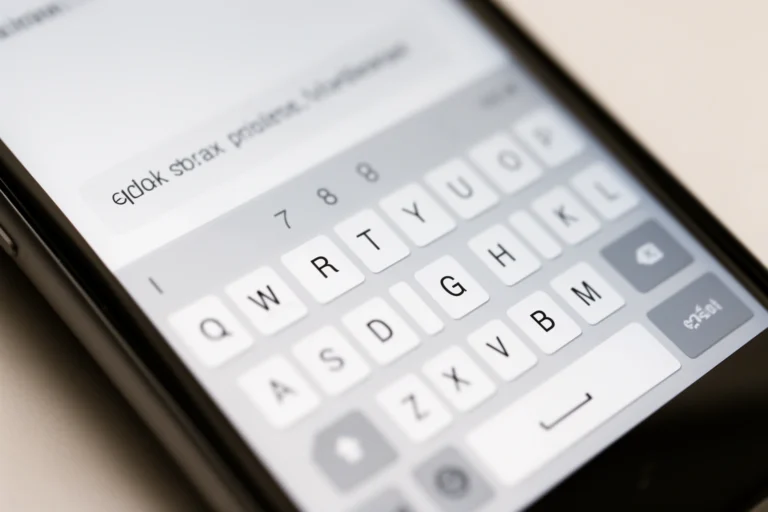
Although emoji became an instant hit in Japan after their 1999 launch, they didn’t become internationally accessible until Apple added an official emoji keyboard to iOS in 2011, more than a decade later. The gap between Japanese adoption and global availability was surprisingly long.
Standardization played a critical role in that international jump. In 2010, the Unicode Consortium, the nonprofit organization responsible for keeping text consistent across different computing systems, formally adopted emoji into its official standard after petitions from engineers at both Google and Apple. Without Unicode’s involvement, emoji sent from one company’s device might have appeared as broken symbols or nothing at all on another company’s platform.
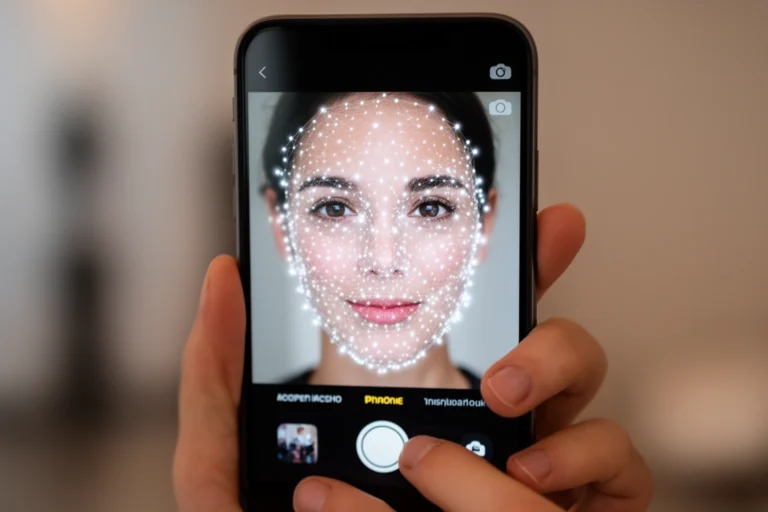
This standardization mirrors how other visual technologies rely on shared underlying systems to work consistently everywhere, a pattern also seen in simple explanation of how face filters work, since both emoji rendering and face tracking depend on standardized technical frameworks operating quietly behind a simple, familiar user experience.
From 176 Icons to Over 3,300
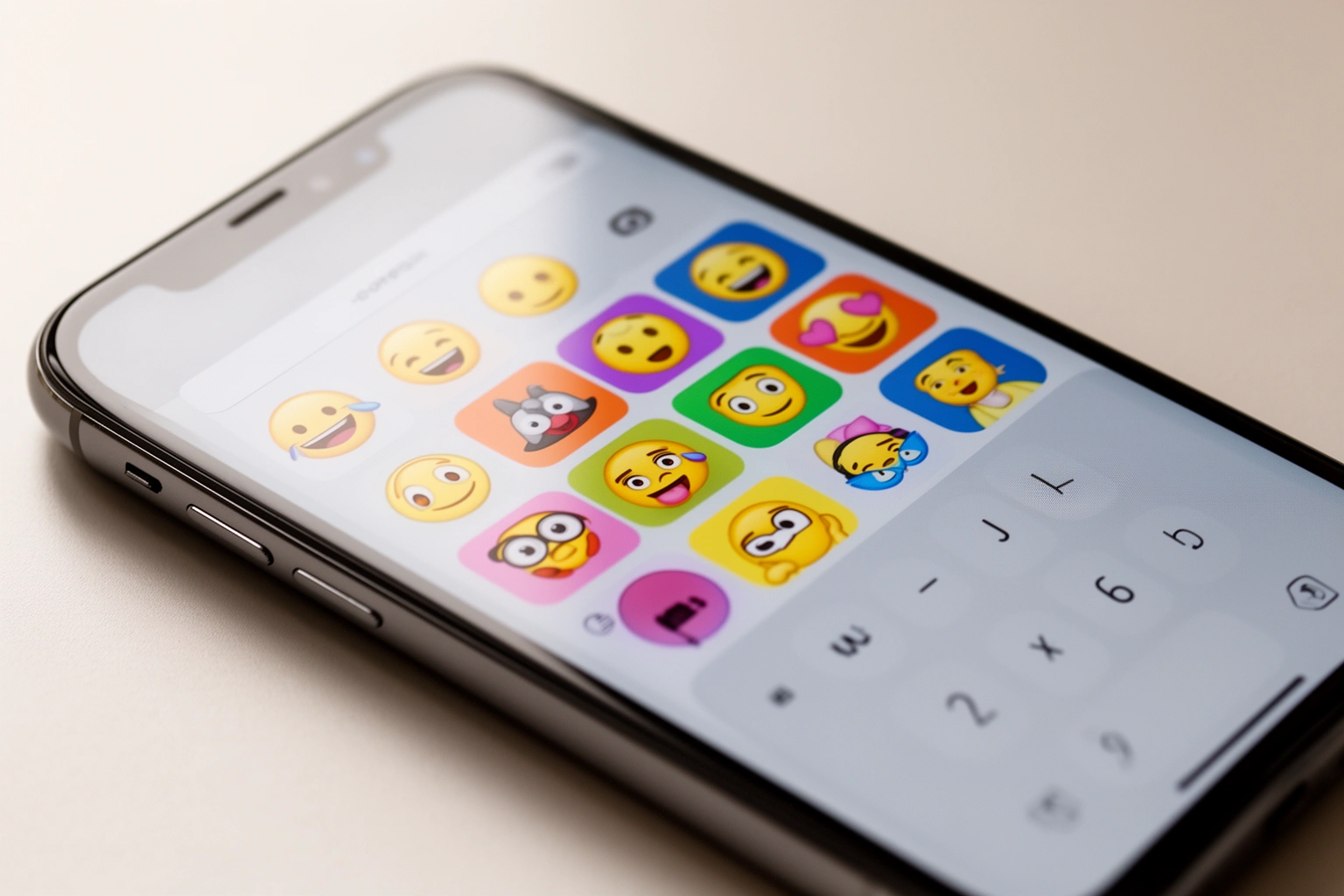
The original 1999 set of 176 emoji has expanded to more than 3,300 characters in the current Unicode standard, with new additions arriving nearly every year through a lengthy, formal submission and approval process. Growth has consistently pushed toward greater diversity and representation.
In 2015, Unicode introduced adjustable skin tone options across human emoji, along with same-sex couple representations, addressing early criticism that the original global rollout defaulted almost entirely to white-skinned characters. Subsequent updates added emoji depicting people in turbans and hijabs, a female surfer, a female doctor, and many other previously missing representations of everyday life.
Emoji History at a Glance
Tracing the full timeline from early typographic experiments to today’s massive emoji library shows just how long this specific form of visual communication has been evolving. The pixelated 1999 icons were a pivotal moment, not the true beginning.
| Year | Milestone |
|---|---|
| 1881 | Puck Magazine prints early typographic “faces” |
| 1963 | Harvey Ball designs the yellow smiley face |
| 1982 | Scott Fahlman proposes “:-)” as a digital emoticon |
| 1999 | Shigetaka Kurita creates the first 176-emoji set |
| 2010 | Unicode Consortium formally standardizes emoji |
| 2011 | Apple adds the first global emoji keyboard to iOS |
That’s how much the emoji library has grown since Kurita’s original 1999 set, now standardized across virtually every device and platform worldwide.
A Tiny Design Choice That Became a Global Language
What began as a practical fix for a cramped 1999 mobile screen has grown into one of the most widely shared visual languages in human history, understood across cultures and languages in a way few other communication tools ever achieve. Kurita’s constraint-driven design turned out to have remarkable staying power.
Readers curious about more of the surprising history behind everyday technology can find additional explainers on AestheticPFPs, where tech and design topics get the same well-researched, approachable treatment as this deep dive into emoji.
Frequently Asked Questions
Who created the very first emoji?
Japanese designer Shigetaka Kurita created the first true emoji set in 1999, a collection of 176 pictograms designed on a 12×12 pixel grid for NTT DOCOMO’s mobile internet platform.
Does the word ’emoji’ come from ’emotion’?
No, the word ’emoji’ comes from the Japanese words for ‘picture’ (e) and ‘character’ (moji), and its resemblance to the English word ’emotion’ is a coincidence.
Are emoticons older than emoji?
Text-based emoticons like ‘:-)’ date back to 1982, and disputed typographic examples resembling faces may go back as far as an 1862 newspaper transcript, long before true pixel-based emoji existed.
When did emoji become available worldwide?
Emoji became internationally accessible in 2011, when Apple added an official emoji keyboard to iOS, more than a decade after their original 1999 launch in Japan.
What role does the Unicode Consortium play in emoji?
The Unicode Consortium is the nonprofit organization that standardized emoji in 2010, ensuring they display consistently across different devices and operating systems.
How many emoji were in the original set compared to today?
The original 1999 set included 176 emoji, and the current Unicode standard now includes more than 3,300 emoji characters.