Fun Study Hacks That Actually Help You Remember Things

Rereading notes feels like studying, but it’s one of the least effective ways to actually remember anything. The study hacks that genuinely work share a common thread: they force the brain to actively retrieve, connect, or physically engage with information instead of passively absorbing it. Techniques like spaced repetition, self-testing, and the memory palace method are backed by decades of cognitive science, not just internet trends, and they work because they match how memory actually forms.
None of the methods below require special apps or expensive tools. Most just need a notebook, some index cards, or a willingness to talk out loud to an empty room.
Self-Testing Beats Rereading Every Time
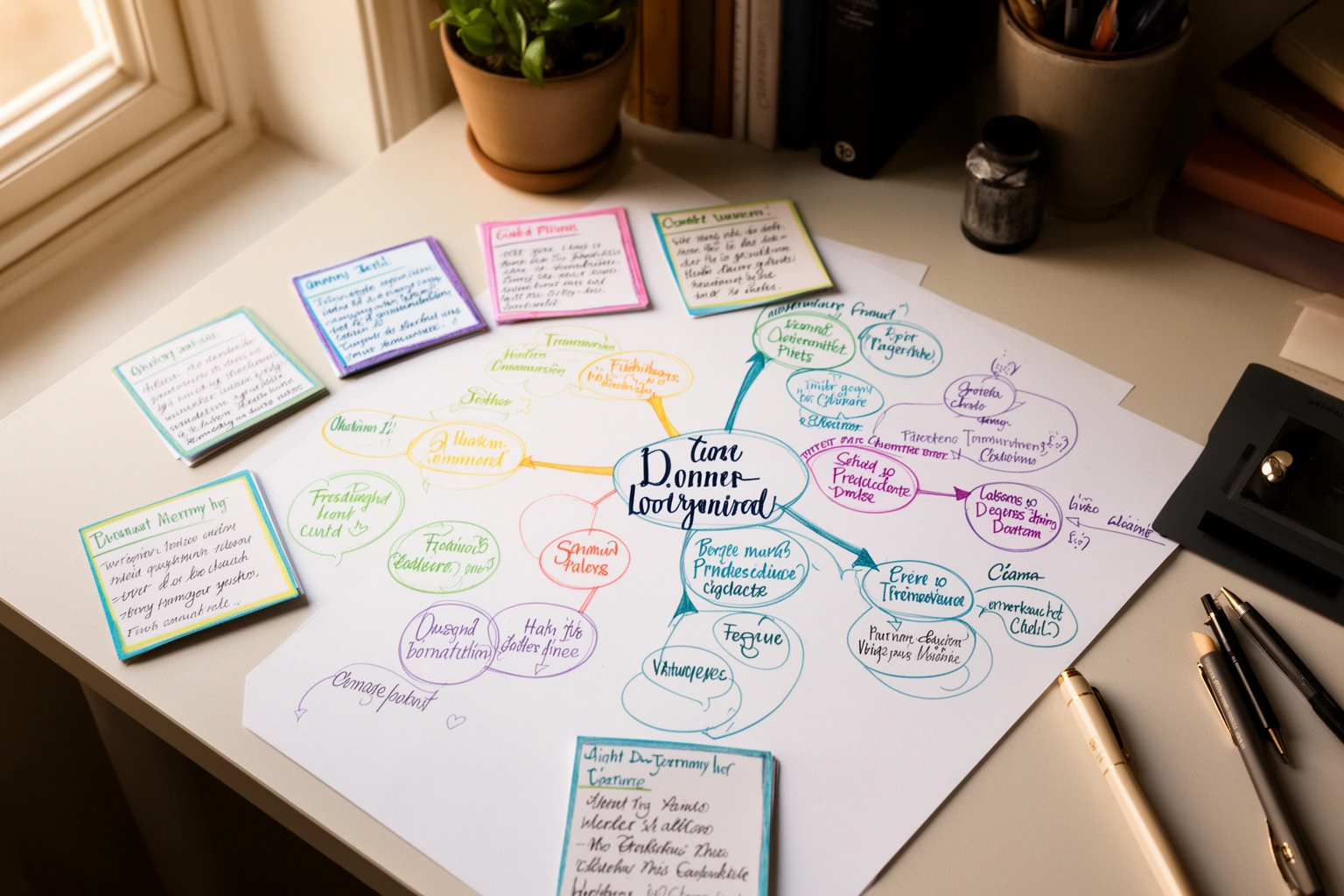
Actively quizzing yourself on material, without looking at notes, builds stronger memory than rereading the same material multiple times, because retrieval itself strengthens the memory trace.
Rereading creates a false sense of familiarity that feels like knowledge but isn’t. The material looks recognizable, so the brain assumes it’s learned, even when recall would fail completely without the text in front of it. Closing the notes and forcing an honest attempt at recall, then checking what was missed, exposes the real gaps far more accurately.
Waiting a few hours or even a day before self-testing makes the exercise more useful, since testing immediately after studying doesn’t reveal whether the information actually made it into long-term memory.
Spaced Repetition: Why Cramming Fails Long-Term
Spreading study sessions out over several days, rather than cramming everything into one sitting, dramatically improves how much information sticks weeks or months later.
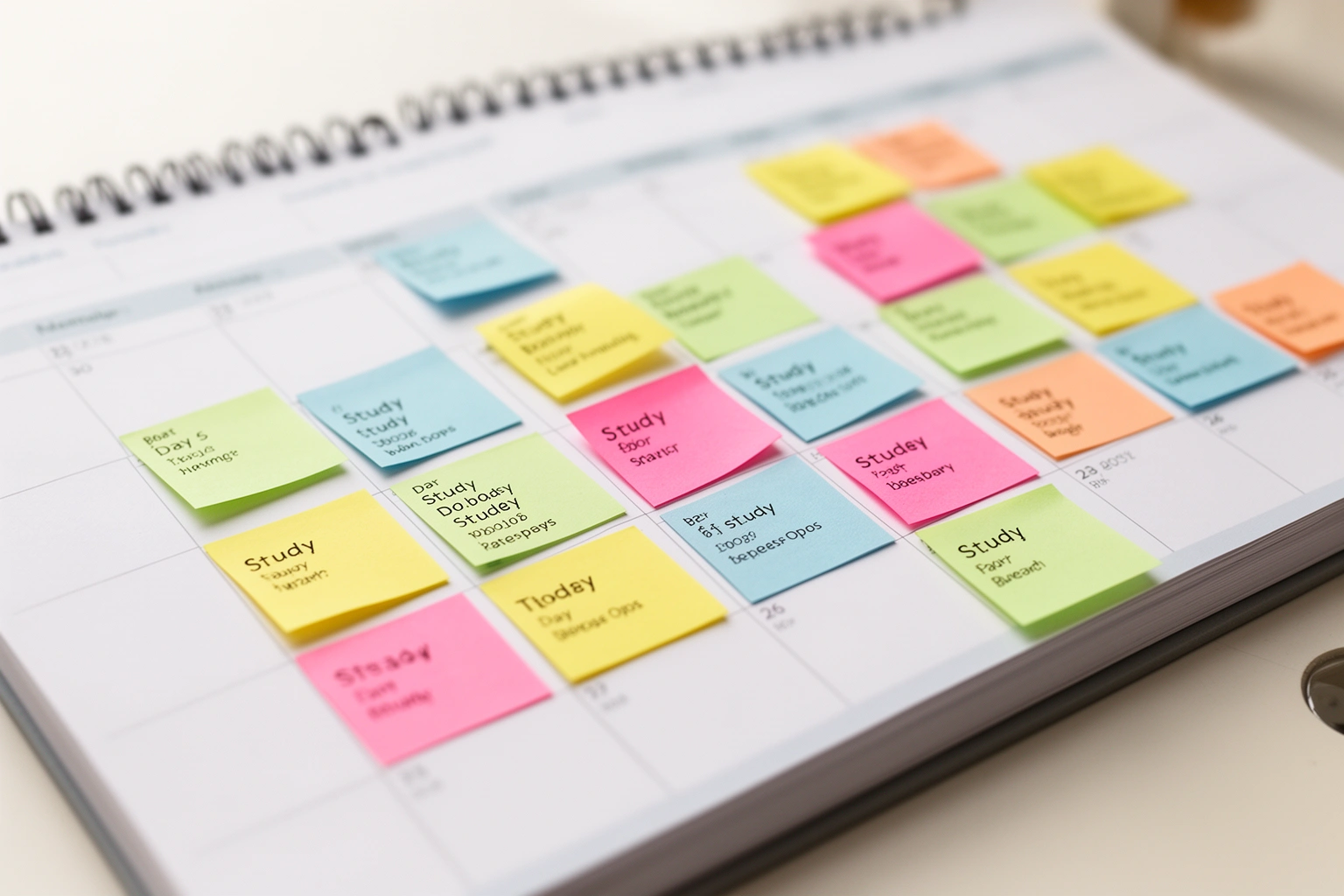
Reviewing material after one day, then three days, then a week, reinforces recall far more effectively than reviewing everything once and calling it done. Each review session slightly extends the gap before the next one, which trains the brain to hold onto the information for longer stretches instead of dumping it right after the test.
This is the same principle flashcard apps like Anki are built around, though a simple paper calendar marking review days works just as well for anyone who prefers not to rely on an app.
The Memory Palace Method
The memory palace technique, used by memory competitors worldwide, involves mentally placing pieces of information at specific locations along a familiar path, then “walking” through that path to recall them in order.
Pick a location known well, like a childhood home or a regular walking route, and identify a series of distinct spots along it. Assign one piece of information to each spot, ideally as a vivid or slightly absurd mental image, since unusual images tend to stick better than plain ones. To recall the information, mentally walk the same path and “see” what was placed at each stop.
It sounds elaborate for a quick study session, but it’s remarkably effective for material that needs to be recalled in a specific sequence, like a speech, a list of steps, or an ordered set of facts.
Mnemonics and Acronyms
Turning a list into a short, memorable phrase or acronym gives the brain a compact hook to hang a larger set of facts on, which is why phrases like PEMDAS have survived generations of math students.
- Classic acronyms: PEMDAS for order of operations, or “King Philip Came Over For Good Soup” for taxonomic ranks.
- Silly sentences: a sentence where each word’s first letter matches an item in a list, useful for anything that needs to be remembered in order.
- Rhymes and songs: setting facts to a familiar tune taps into a completely different memory pathway than plain reading.
The catch is that mnemonics work best as a bridge to real understanding, not a replacement for it. A student who memorizes an acronym without understanding what each part represents often finds the acronym itself becomes just as hard to recall as the original material.
Teach It to Someone Else
Explaining a concept out loud, to a real person or even an empty room, forces a level of active recall and organization that studying alone rarely produces.
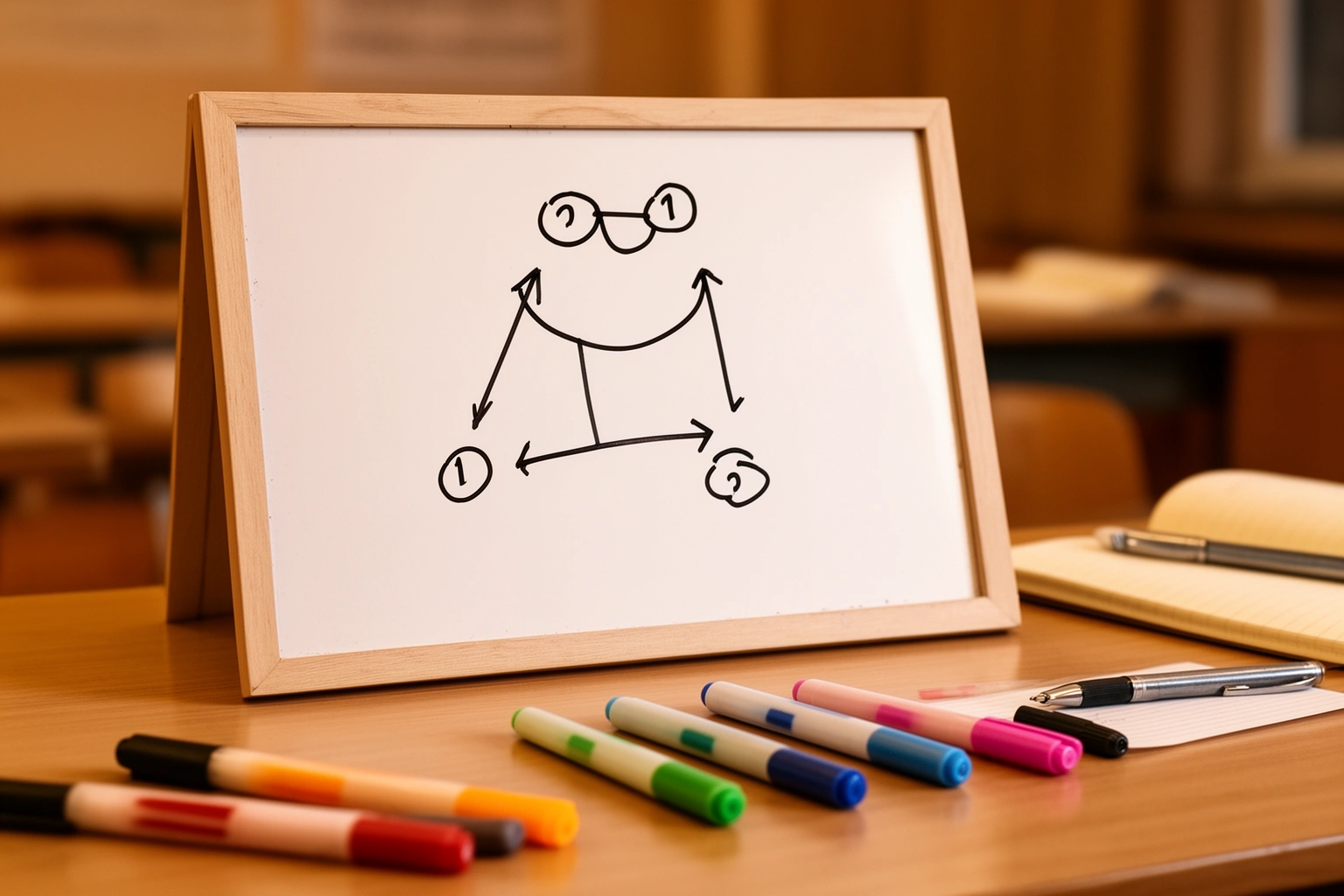
Teaching requires pulling information out of memory, structuring it logically, and anticipating questions, which is a far more demanding mental task than simply reading a definition. This is sometimes called the protégé effect, and it explains why students who tutor others often understand the material better than the students being tutored.
Even without a study partner, explaining a concept out loud to an empty room or recording a short voice memo produces a similar effect, since the act of vocalizing forces the same kind of organization.
Interleaving: Mixing Subjects Instead of Blocking Them
Switching between different subjects or types of problems during a single study session, rather than focusing on one topic for hours, improves long-term retention even though it feels less efficient in the moment.
Studying vocabulary for twenty minutes, switching to math problems, then moving to history dates before circling back to vocabulary forces the brain to keep retrieving and re-contextualizing information rather than settling into autopilot. It feels harder and slower than blocked studying, but that extra effort is exactly what makes the memory stronger.
Write It By Hand
Handwriting notes, rather than typing them, creates a stronger memory trace because the slower physical process forces more selective, deliberate processing of the material.
Typing tends to encourage transcribing everything verbatim, which turns note-taking into a passive activity. Handwriting is slower, which forces decisions about what’s actually worth writing down, and that extra cognitive effort is part of what makes it stick better. Saying the information out loud while writing it adds a second reinforcement layer on top of the physical one.
Comparing the Techniques
| Technique | Best For | Time Needed |
|---|---|---|
| Self-testing | Any subject, exam prep | Low, repeated often |
| Spaced repetition | Vocabulary, facts, long-term recall | Spread over days/weeks |
| Memory palace | Ordered lists, speeches | Moderate setup, fast recall |
| Mnemonics | Short lists, sequences | Low |
| Teaching it back | Conceptual understanding | Moderate |
| Interleaving | Multiple subjects, problem sets | Same as regular study time |
Studies on learning strategies repeatedly show that self-testing and retrieval practice produce stronger long-term retention than rereading, even when rereading feels more thorough in the moment.
Small Habits That Make Every Technique Work Better
A few supporting habits, sleep, short breaks, and a distraction-free space, don’t replace the techniques above but make them noticeably more effective when combined.
- Protect sleep: memory consolidation happens largely during sleep, so pulling an all-nighter undercuts even the best study technique.
- Take real breaks: five to ten minutes away from the material every hour or so helps the brain process what was just studied.
- Remove notification distractions: putting the phone in another room during a study block measurably improves focus and retention.
- Read tricky material out loud: hearing information, not just seeing it, adds another retrieval pathway that makes it easier to recall later.
Where a person studies matters almost as much as how. The same instinct that leads someone to personalize a car interior so it actually feels comfortable to spend time in applies just as much to a study space: a desk that’s organized and genuinely pleasant to sit at makes it far easier to stick with any of the techniques above long enough for them to work.
Frequently Asked Questions
What is the most effective study hack for memory?
Self-testing and spaced repetition are consistently backed by the strongest research, since they force active recall rather than passive review.
Why doesn’t rereading notes actually help you remember them?
Because rereading creates familiarity that feels like knowledge but isn’t. Recognizing text on a page doesn’t mean you could recall it without seeing it.
What is the memory palace technique?
It’s a technique that involves mentally placing information at specific spots along a familiar path, then mentally walking that path to recall items in order.
Do mnemonics actually work for studying?
Yes, when used as a bridge to real understanding rather than a replacement for it. Memorizing an acronym without understanding the underlying concept is often just as hard to recall later.
Why does teaching material to someone else help you remember it?
Because explaining material out loud forces active recall and logical organization, which is a more demanding and effective mental process than passive reading.
What is interleaving in studying?
It’s a technique where you switch between different subjects or problem types during a study session instead of focusing on one topic for a long block of time.
Does sleep actually affect how well you remember what you studied?
Sleep plays a major role in memory consolidation, so getting adequate rest generally improves recall more than an extra hour of studying while exhausted.