What Happens Behind the Scenes in Small Claims Court

Small claims court exists specifically for disputes too small to justify hiring a lawyer but too significant to just let go, a broken lease, a bounced check, a fender bender. Known informally as “the people’s court,” it strips away most of the formality that makes regular litigation slow and expensive. Here’s what actually happens behind the scenes, from filing the initial paperwork to collecting on a judgment.
What Actually Qualifies as a Small Claim
Small claims court only hears disputes seeking a specific dollar amount, typically capped somewhere between $7,000 and $12,500 depending on the state, and the judge can only order the payment of money, not that someone stop doing something or take a specific action. This dollar limit and remedy restriction shapes everything else about how the process works.
Common small claims cases include unreturned security deposits, property damage from accidents, bounced checks, and broken lease disputes. A judge in small claims court can order a landlord to refund a $1,000 deposit, but that same judge cannot order a neighbor to stop grilling steak because the smell is unpleasant, since that request has no dollar value attached to it.
Filing fees for small claims cases typically run under $200, dramatically less than the cost of pursuing the same dispute in regular civil court, which is a large part of why the system exists in the first place.
Filing the Case Is Deliberately Simplified
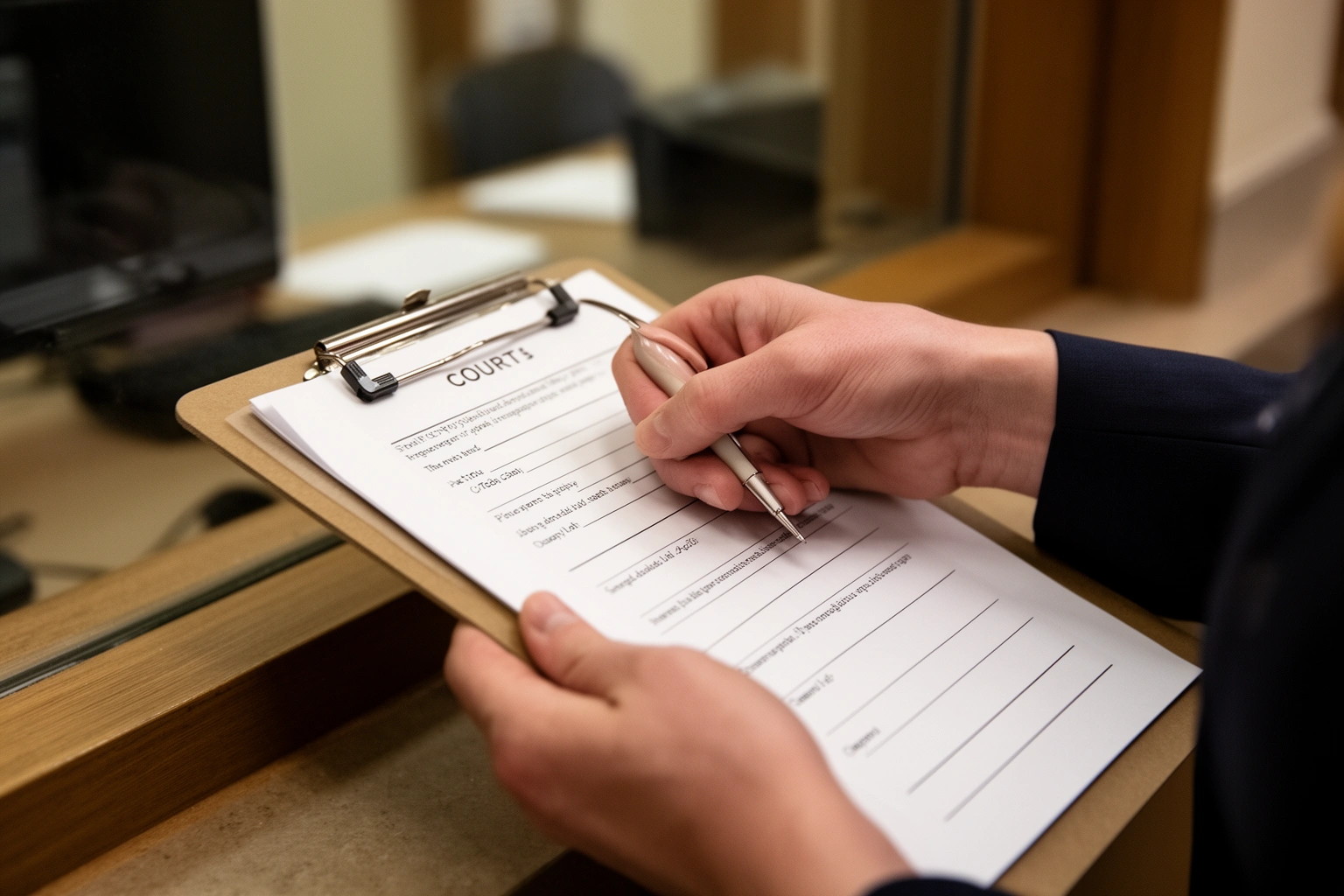
Starting a small claims case generally involves filing a complaint form, paying a modest filing fee, and ensuring the other party, called the defendant, receives official notice of the claim, all without needing a lawyer to draft any of it. The paperwork is intentionally designed to be understood without legal training.
One of the more overlooked challenges is correctly identifying who to actually sue. When suing a business, the defendant is typically the company itself rather than a manager or president, unless a specific individual personally guaranteed a debt on the company’s behalf. Courts often require identifying a business’s “resident agent,” a designated person or company authorized to legally accept court papers on the business’s behalf.
After filing, the court clerk’s office sets a hearing date and formally notifies both parties by mail. In some jurisdictions, hearings are now conducted entirely online through video conferencing platforms rather than requiring an in-person courthouse appearance.
What Happens the Day of the Hearing
A typical small claims hearing follows a consistent pattern: the judge confirms who’s who, the plaintiff presents their case first, then the defendant responds, and the whole process rarely takes more than 20 to 30 minutes. Many people spend more time driving to the courthouse than the actual hearing itself takes.
Unlike formal courtroom procedure, small claims hearings don’t require any specific legal phrasing or “magic words.” A plaintiff might simply explain, in plain language, what happened, what it cost, and what they’re asking the court to order, then present supporting evidence like photos, written estimates, or receipts.
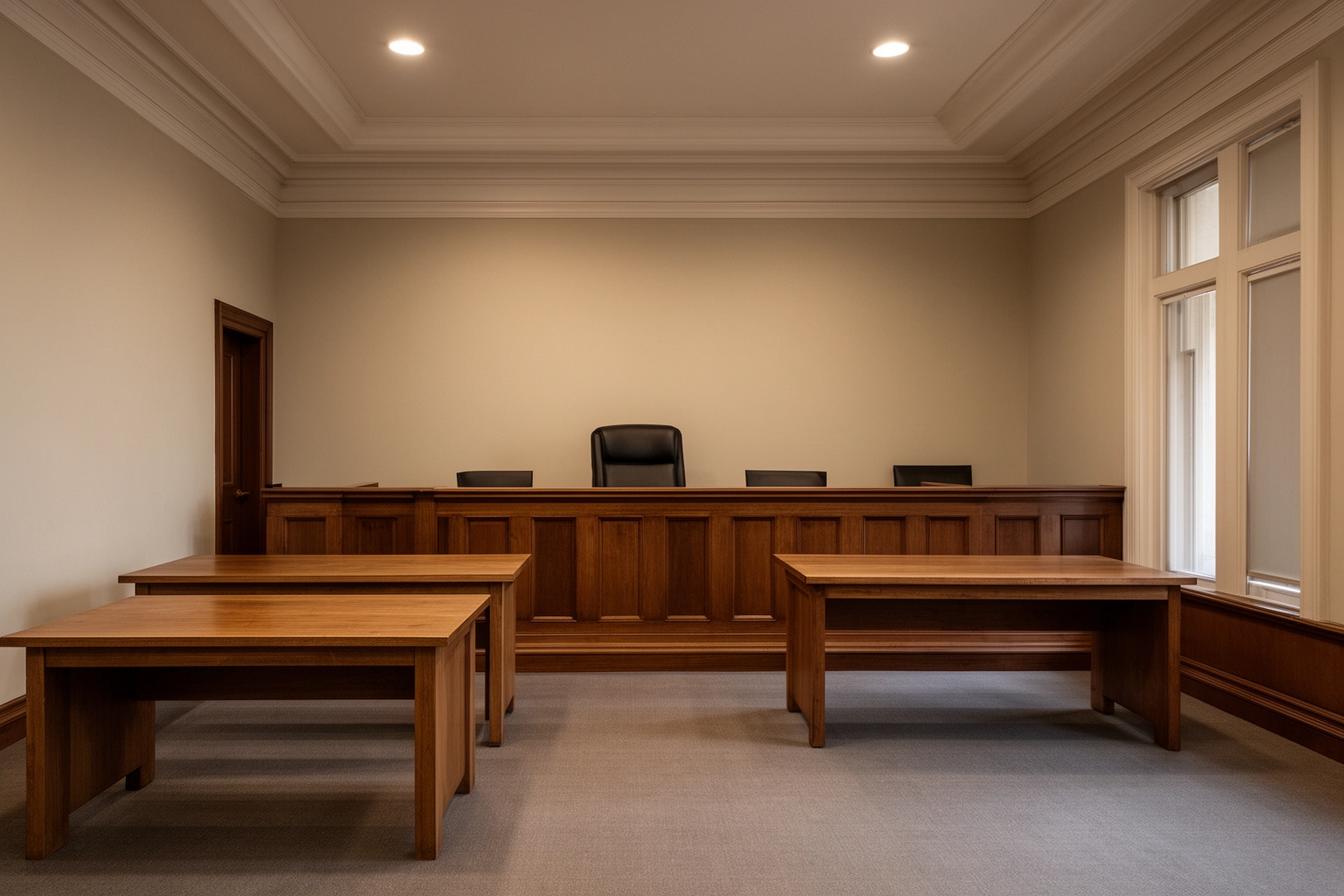
Judges frequently interrupt with direct questions during a party’s presentation, and legal guides consistently advise answering those questions immediately and honestly rather than asking to address them later. Some busy courts even use a stopwatch, giving each side a strict five or ten minutes to present their entire case.
Evidence Matters More Than Legal Arguments
Since small claims courts use relaxed rules of evidence, physical documentation, photos, written estimates, texts, contracts, tends to carry far more weight than a purely verbal argument, no matter how compelling that argument sounds. The system rewards preparation over eloquence.
Bringing organized, chronological documentation of what happened, along with copies of any exhibits for both the judge and the other party, is consistently recommended across nearly every court’s own guidance. If a witness is needed but unwilling to voluntarily appear, most courts allow a formal witness summons to be issued and delivered by a sheriff or constable.
Legal experts also consistently warn against a common mistake: getting visibly angry at something the other side said. Judges tend to respond far better to a calm, organized rebuttal than an emotional outburst, even when the underlying frustration is completely understandable.
What Happens If One Side Doesn’t Show Up
If a defendant fails to appear for a scheduled hearing but the plaintiff does, courts will typically enter a “default judgment,” ordering the defendant to pay the claimed amount, sometimes after the plaintiff briefly presents supporting evidence anyway. Simply not showing up rarely makes a claim disappear.
Continuances, formal requests to postpone a hearing, are generally granted only for legitimate reasons like a documented illness, an emergency, or a genuinely unavailable witness. Courts explicitly note it’s rare for a judge to reschedule a small claims case without a compelling justification.

Winning Is Only Half the Battle
Even after winning a small claims case, the court itself does not collect the money on the winning party’s behalf, and enforcing an unpaid judgment often requires a separate, additional legal process. This is one of the most consistently underappreciated aspects of small claims court.
If a losing defendant simply doesn’t pay, the winning plaintiff typically must formally notify the court clerk, who then issues a “Notice to Show Cause” requiring the defendant to explain why they haven’t complied, or an “Execution” form allowing a sheriff or constable to seize and sell the defendant’s property to satisfy the debt. A judgment generally remains legally valid and collectible for around ten years, giving the winning party a meaningful window to pursue payment.
This kind of behind-the-scenes procedural detail mirrors the layered reality covered in why jury duty exists and how it works, since both systems look simple on the surface but rely on specific procedural steps that most people never learn about until they’re directly involved.
Small Claims Court at a Glance
Comparing small claims court to standard civil litigation highlights exactly why it exists as a separate, simplified track for lower-value disputes. The differences are deliberate, not accidental gaps in the system.
| Feature | Small Claims Court |
|---|---|
| Dollar limit | Typically $7,000-$12,500, varies by state |
| Attorney required | No, and often not allowed |
| Typical hearing length | 20-30 minutes |
| Filing fee | Usually under $200 |
| Remedy available | Money judgment only |
That’s roughly how long a typical small claims hearing takes from start to finish, often shorter than the drive to the courthouse itself.
Why the System Works the Way It Does
Small claims court trades legal formality for speed and accessibility, letting ordinary people resolve modest disputes without the cost and complexity of hiring an attorney or navigating full civil procedure. That tradeoff is intentional, not a shortcut that compromises fairness.
Readers interested in more clear, well-researched explainers on how everyday legal systems actually function can find additional reading on AestheticPFPs, where legal topics get the same accessible treatment as this look behind the scenes of small claims court.