Why Some Contracts Require Witnesses

Most everyday contracts, a freelance agreement, a lease renewal, a simple business deal, don’t legally need a witness at all. Yet certain documents, wills, property deeds, some corporate filings, absolutely require one, and getting that requirement wrong can invalidate the entire document. Here’s why witnessing exists as a legal safeguard and exactly when it actually matters.
Most Contracts Don’t Actually Require a Witness
The vast majority of everyday business contracts are legally binding the moment both parties sign, without any witness or notary required at all, since a signature alone typically satisfies the basic legal requirement for a valid agreement. This surprises a lot of people who assume every contract needs extra formality.
Despite that, adding a witness anyway can still be a smart precaution, even when it’s not strictly required by law. If a signing party later disputes ever having signed a document, a witness can be called to confirm the signature actually happened and that it happened voluntarily, without coercion.
Understanding this distinction, legally required versus simply a good idea, is the key to knowing when witnessing genuinely matters and when it’s just an extra layer of caution some parties choose to add anyway.
The Core Purpose: Proving Voluntariness and Preventing Fraud
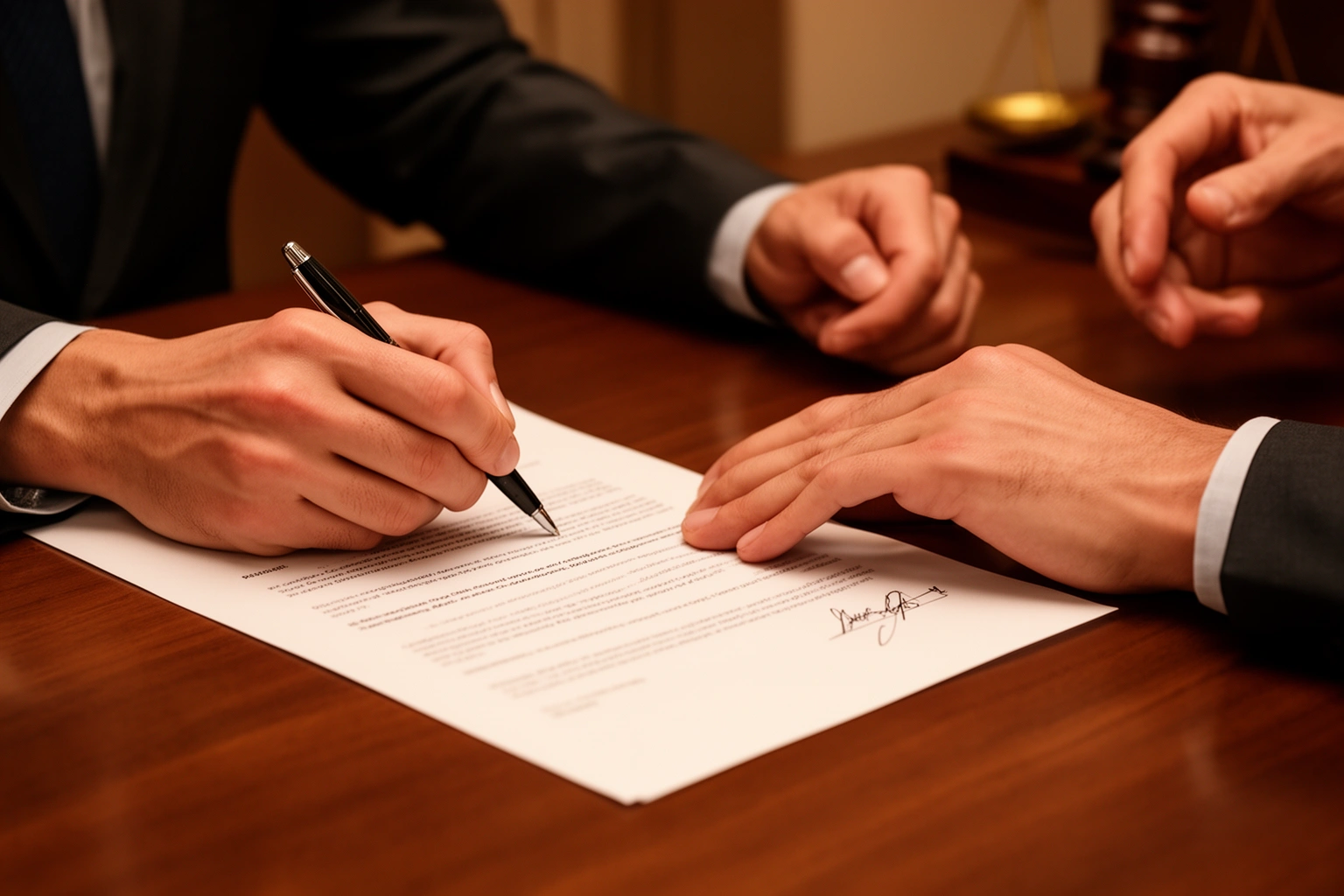
A witness’s fundamental legal role is confirming that a signature is genuine and that the signer entered the agreement willingly, with a clear understanding of what they were signing, rather than under coercion or duress. This single function drives nearly every witnessing requirement across different document types.
In the event of a later dispute, a witness can provide testimony about the actual circumstances of the signing, whether the signer appeared to understand the document, whether anyone else was present, and whether the signature clearly matches the person in question. This kind of firsthand account can be difficult to replace once a dispute reaches court, especially years after the original signing took place.
Witnessing also serves as a meaningful deterrent against fraud in the first place. Knowing that a neutral third party observed the signing makes it considerably harder for anyone to later claim a signature was forged or added without proper consent.
Wills Are the Classic Example
Most jurisdictions require at least two independent witnesses for a will to be considered legally valid, a rule specifically designed to confirm that the person making the will, known as the testator, was of sound mind and signed voluntarily. Wills carry uniquely high stakes since the person who signed them typically isn’t available to confirm their own intentions later.
Because a will only takes full legal effect after the signer’s death, there’s no way to simply ask them to clarify their intentions if a dispute arises. Independent witnesses fill that evidentiary gap, providing testimony about the signer’s state of mind and the circumstances of the signing that would otherwise be lost entirely.
Some U.S. states allow “self-proving” wills that use notarization instead of traditional witnesses, but in most jurisdictions, proper witnessing remains a strict legal requirement, and a will executed without it risks being ruled invalid entirely.
Real Estate Deeds Often Require Witnessing Too
Property deeds, mortgage agreements, and other real estate documents frequently require a witness signature specifically to confirm the legitimacy of an ownership transfer, since property fraud carries serious, often irreversible financial consequences. The stakes involved in property transactions explain why this formality persists.
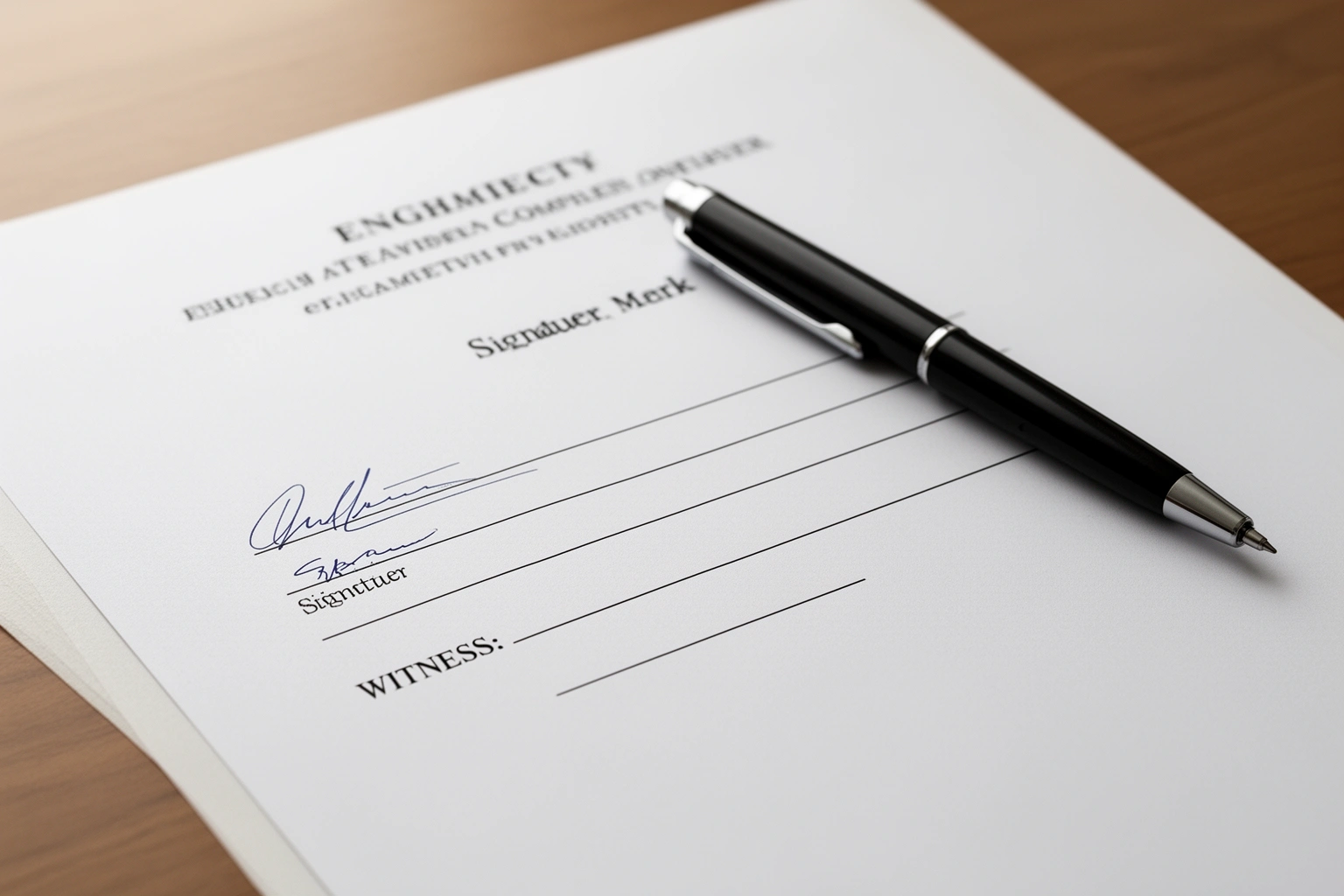
In Florida, for example, deeds must have at least two witnesses, or be formally notarized, before the document can be legally recorded and acknowledged. Requirements like this vary meaningfully from state to state, which is exactly why real estate transactions often involve careful attention to a jurisdiction’s specific witnessing rules before a sale can officially close.
Witness vs. Notary: They Aren’t the Same Thing
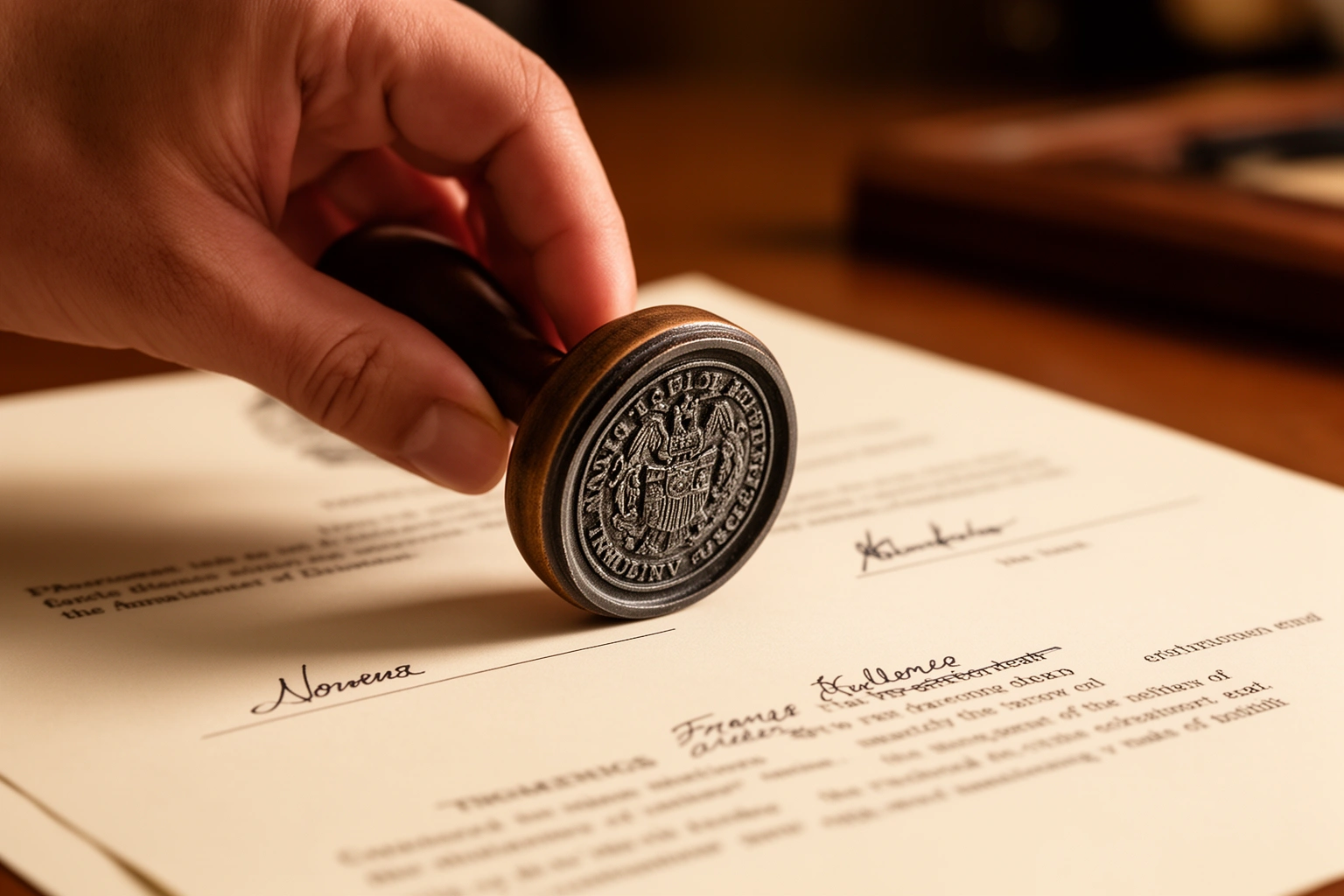
A witness simply observes a signing and can later confirm it happened, carrying no formal legal authority, while a notary public is a state-authorized official who verifies a signer’s identity, confirms their understanding, and applies an official seal to authenticate the document. The two roles serve genuinely different legal functions, despite often getting confused.
Some documents only require a basic witness, confirming that a signer acted voluntarily. Others require full notarization, generally reserved for documents carrying significant public, legal, or financial weight. High-stakes documents, like certain real estate deeds, sometimes require both a witness and a notary simultaneously, layering two separate forms of verification onto the same signature.
Not Just Anyone Can Serve as a Witness
A valid witness generally must be a competent adult with no personal or financial stake in the agreement, and many jurisdictions specifically prohibit spouses, close family members, or business partners from serving as witnesses due to potential bias. The whole point of a witness is neutrality, so an interested party defeats that purpose entirely.
Beyond neutrality, witnesses typically must be physically present at the actual moment of signing, meaning a signature witnessed after the fact generally doesn’t satisfy the legal requirement. Courts consistently treat this physical-presence rule seriously, since a witness who wasn’t actually there to observe the signing can’t meaningfully confirm anything about how it happened.
This kind of careful procedural detail mirrors the broader theme covered in interesting history behind the Miranda rights, since both examples show how specific legal formalities exist to protect against genuine harm, coerced confessions in one case, fraudulent or contested signatures in the other, rather than simply adding bureaucratic friction for its own sake.
Common Documents That Require Witnessing
Certain document categories consistently require witnessing across most jurisdictions, even though the specific rules can vary by state or country. Knowing which category a document falls into is the fastest way to determine whether witnessing actually applies.
| Document Type | Typical Requirement |
|---|---|
| Wills | Two independent witnesses in most jurisdictions |
| Property deeds | Witness and/or notarization, varies by state |
| Standard business contracts | Generally not legally required |
| Deeds (legal instrument) | Often required, especially for single-signatory execution |
| Loan agreements | Sometimes recommended, not always mandatory |
That’s the standard requirement for a legally valid will in most jurisdictions, a rule specifically designed to confirm the signer’s intentions after they’re no longer available to clarify them.
When in Doubt, Check the Specific Requirement
Witnessing requirements vary meaningfully by document type and jurisdiction, so confirming the specific rule for a particular contract or state before signing is the safest way to avoid an invalidated agreement later. A quick check upfront is far easier than untangling a dispute after the fact.
Readers interested in more clear, well-researched explainers on how everyday legal formalities actually work can find additional reading on AestheticPFPs, where legal topics get the same accessible, practical treatment as this look at witness requirements.
Frequently Asked Questions
Do all contracts legally require a witness?
No, most everyday business contracts are legally binding the moment both parties sign, without needing a witness, though adding one can still help prevent future disputes.
Why do wills specifically require witnesses?
Most jurisdictions require at least two independent witnesses for a will, since the signer typically can’t clarify their intentions after death, making witness testimony crucial if disputes arise.
What’s the difference between a witness and a notary?
A witness simply observes and confirms a signing with no formal legal authority, while a notary is a state-authorized official who verifies identity, confirms understanding, and applies an official seal.
Can a family member serve as a witness on a contract?
No, many jurisdictions specifically prohibit spouses, close family members, or anyone with a financial interest in the agreement from serving as a witness, since the role requires neutrality.
Do real estate documents always need to be witnessed?
Yes, real estate deeds and mortgage documents often require a witness, and some states, like Florida, require either two witnesses or formal notarization before a deed can be legally recorded.
What happens if a required witness signature is missing?
A document that requires witnessing but lacks it may be ruled invalid or unenforceable, which is why confirming the specific requirement before signing matters.